BASIC VEGAN COOKING TECHNIQUES
VEGAN - GLUTEN FREE - REFINED SUGAR FREE
Learning the foundations of vegan cooking and kitchen technique.
This collection explores basic cooking techniques, vegan cooking methods, baking foundations, and practical kitchen skills designed to make plant-based cooking more intuitive and expressive. Learning technique changes the way we experience food, because once we truly understand how ingredients behave through heat, texture, timing, and balance, cooking becomes more natural and creative. Some techniques are simple and immediate, while others require more patience and precision, but each one helps build confidence and freedom in the kitchen.
VEGAN COOKING TECHNIQUES FOR A MORE INTUITIVE KITCHEN
Technique is what separates a recipe followed mechanically from a dish made with genuine understanding. These guides explore the foundational vegan cooking techniques that make the biggest difference in everyday plant-based cooking, from how to build flavor through heat and seasoning, to how to work with texture, timing, and the natural character of each ingredient. Whether you are just beginning to explore plant-based cooking or looking to deepen your existing skills, every technique covered here is designed to help you move more freely and confidently in the kitchen. Because when you understand the how and the why behind cooking, every recipe becomes a starting point rather than a set of instructions.
A Note From The Kitchen
The more you understand the how,
the more freely you can create.
the more freely you can create.
What are the most important vegan cooking techniques to learn?
The most valuable vegan cooking techniques to learn first are those that build flavor and transform texture, roasting, sautéing, steaming, and slow cooking. Roasting develops depth and caramelization. Sautéing builds flavor through browning. Steaming preserves the natural character of delicate ingredients. And slow cooking allows legumes and root vegetables to develop richness over time. Mastering these four methods gives you the foundation to approach almost any plant-based recipe with confidence and creativity.
What is the difference between dry and moist heat cooking methods?
Dry heat cooking methods, like roasting, grilling, and sautéing, use hot air or direct contact with a hot surface to cook food, developing browning, caramelization, and concentrated flavor. Moist heat methods, like steaming, boiling, and braising, use water or liquid to cook food more gently, preserving moisture and tenderness. In plant-based cooking, understanding when to use each method is fundamental, roasting a vegetable and steaming it produce completely different results in texture, flavor, and nutritional retention.
How do I build depth of flavor without meat or animal products?
Depth of flavor in plant-based cooking comes from technique and ingredient selection working together. Caramelizing onions slowly, toasting spices before adding liquid, deglazing a pan, and layering seasoning at different stages of cooking all add complexity. Ingredients like miso, tamari, roasted vegetables, dried mushrooms, and nutritional yeast contribute natural umami that creates richness without animal products. The key is understanding that flavor is built gradually, and that patience is one of the most important techniques of all.
How do I know when I have truly mastered a cooking technique?
You know a technique is truly yours when you stop thinking about it and start feeling it. When you can roast vegetables by smell and color rather than timer, adjust seasoning instinctively, or know by touch when a dough is ready, that is mastery. It comes not from following instructions perfectly, but from repeating a technique enough times to understand its nuances and variations. In the kitchen, as in most creative practices, mastery is less a destination and more a deepening relationship with the process itself. And every time you cook, that relationship grows a little stronger and a little more your own.
INUMAMI KITCHEN SHOPPING SUGGESTIONS
THINGS WE USE, LOVE & RECOMMEND
A good kitchen is built slowly, through the objects we reach for again and again. Here you’ll find a curated selection of tools and ingredients used, tested, and loved in the INUMAMI kitchen: the quiet essentials that make cooking feel more intuitive, precise, and pleasurable. Because the right tools do not replace creativity, but they support it. They help a recipe move with more ease, giving space to what matters most: flavor, texture, care, and the simple beauty of preparing food well.
Tools
Kitchen
Pantry
Staples
Have you personally tested the tools you recommend?
Yes. I only recommend products and tools that I personally use and trust, or that I know to be high-quality. You will often find them mentioned directly in the recipes, so you can see exactly how they are used and when they can make a difference.
I’m not sure if I need a specific tool. Can you help me choose?
Of course. If you are unsure whether a specific tool, ingredient, or kitchen essential is right for you, you can send me a message through the contact form. I’ll do my best to help you understand what you actually need, when it may be useful, and whether there is a simpler alternative you can start with.
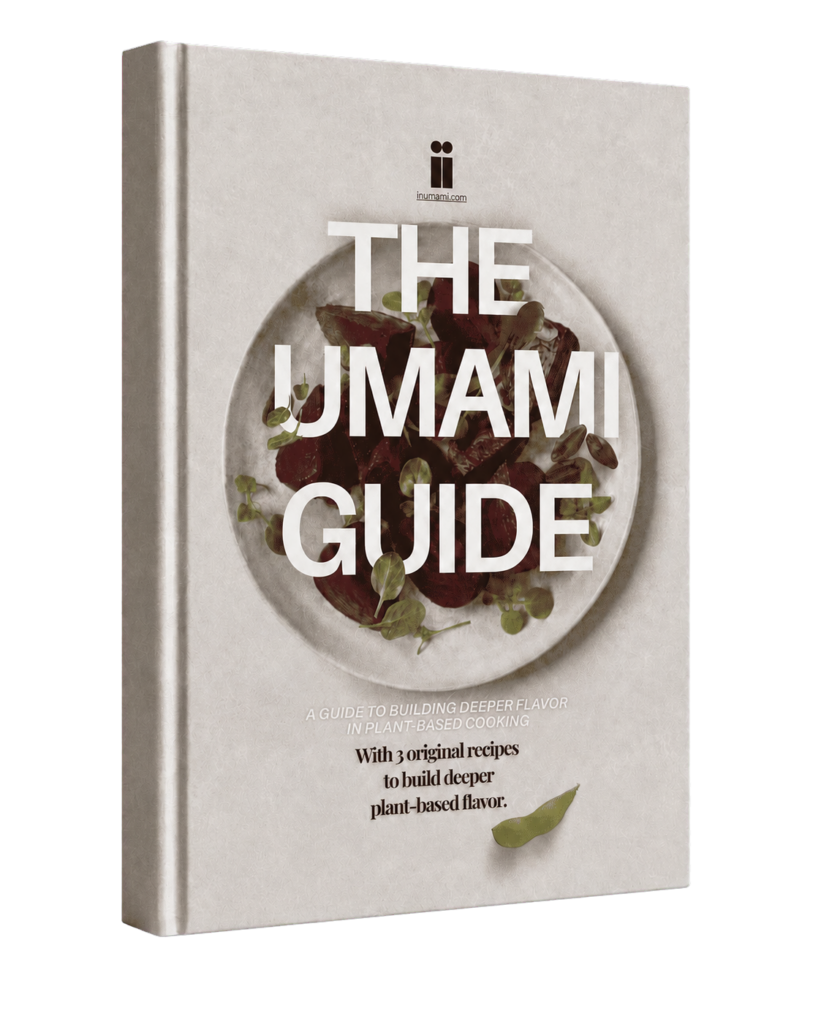
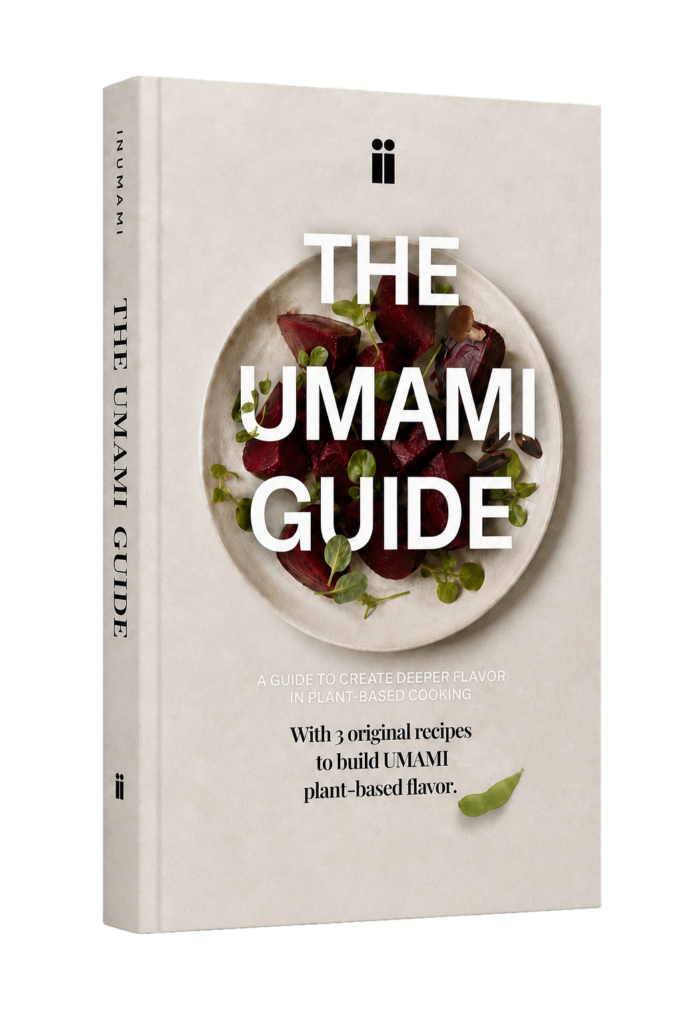
THE UMAMI GUIDE
A guide to building deeper flavor in plant-based cooking, with 3 original recipes to help you cook with more depth, balance and intention.
Newsletter
Signup for news and special offers!
Thank you!
Thank you! Check your inbox to receive The Umami Guide.
Free Ebook