VEGAN & GLUTEN FREE INGREDIENTS
FOOD -INFORMATIONS -GUIDES
Exploring ingredients that shape vegan and gluten free cooking.
This collection explores vegan and gluten free ingredients through practical guides designed to make plant-based cooking easier, more creative, and intuitive. Whether you are looking for gluten free foods lists, vegan ingredient guides, cereals, flours, proteins, or foundational pantry staples, these guides are designed to help you better understand how ingredients behave, combine, and transform through cooking. The more deeply we understand ingredients, the more naturally cooking becomes a space of creativity, balance, and expression.
EVERY INGREDIENT TELLS A STORY
Each guide in this collection focuses on a specific ingredient or ingredient category, exploring what it is, where it comes from, how it behaves in cooking, and why it belongs in a conscious vegan and gluten free kitchen. From individual ingredient deep dives to more complete food lists organized by category, these guides are designed to give you the kind of knowledge that makes shopping, cooking, and eating feel more intentional and less overwhelming. The more ingredients you understand, the more naturally your kitchen builds itself.
A Note From The Kitchen
To understand an ingredient
is to learn how to let it speak.
is to learn how to let it speak.
What ingredients should a beginner stock for vegan and gluten free cooking?
Building a vegan and gluten free kitchen starts with a handful of versatile, reliable ingredients. Gluten free grains like rice, quinoa, and millet form a solid base. Legumes like lentils, chickpeas, and black beans provide protein and substance. For cooking, tamari instead of soy sauce, good olive oil, and whole spices go a long way. Add a selection of fresh vegetables, some nuts and seeds, and plant-based proteins like tofu or tempeh, and you already have the foundation of a creative, balanced kitchen. The guides in this collection explore each of these ingredients in depth, so you can stock your pantry with confidence and cook with awareness.
What foods are naturally vegan and gluten free?
The good news is that the vast majority of whole, unprocessed foods are naturally both vegan and gluten free. Vegetables, fruits, legumes, nuts, seeds, and many grains fall into this category by nature. The complexity begins when ingredients are processed or manufactured, which is why knowing your ingredients matters. In these guides we explore a wide range of vegan and gluten free ingredients in depth, from grains and flours to proteins and pantry staples, to help you build a more confident understanding of what belongs in a conscious plant-based kitchen.
Why does knowing your ingredients matter in vegan and gluten free cooking?
Knowing your ingredients is like having every color on a palette. The more colors you have, and the more you understand how they behave, how they mix, and what they create together, the more freely you can paint. The same is true in the kitchen. When you know that tamari adds depth without gluten, that quinoa brings both protein and texture, or that roasted mushrooms create richness without meat, cooking stops being a matter of substitution and becomes a matter of composition. These guides exist for exactly this reason: to help you understand your ingredients deeply, so that vegan and gluten free cooking becomes not a limitation, but a genuinely creative and expressive practice.
How do I build a gluten free vegan pantry?
Start with knowing your ingredients. Many products that seem naturally plant-based contain hidden gluten, soy sauce, for example, is made with wheat, while tamari is its gluten free equivalent. The difference between composition and contamination also matters: an ingredient can be naturally gluten free in its pure form but contaminated during processing. Reading labels and looking for certified gluten free products is always a good habit, especially when starting out. Once you understand individual ingredients and what they contain, building your pantry becomes intuitive.
INUMAMI KITCHEN SHOPPING SUGGESTIONS
THINGS WE USE, LOVE & RECOMMEND
A good kitchen is built slowly, through the objects we reach for again and again. Here you’ll find a curated selection of tools and ingredients used, tested, and loved in the INUMAMI kitchen: the quiet essentials that make cooking feel more intuitive, precise, and pleasurable. Because the right tools do not replace creativity, but they support it. They help a recipe move with more ease, giving space to what matters most: flavor, texture, care, and the simple beauty of preparing food well.
Tools
Kitchen
Pantry
Staples
Have you personally tested the tools you recommend?
Yes. I only recommend products and tools that I personally use and trust, or that I know to be high-quality. You will often find them mentioned directly in the recipes, so you can see exactly how they are used and when they can make a difference.
I’m not sure if I need a specific tool. Can you help me choose?
Of course. If you are unsure whether a specific tool, ingredient, or kitchen essential is right for you, you can send me a message through the contact form. I’ll do my best to help you understand what you actually need, when it may be useful, and whether there is a simpler alternative you can start with.
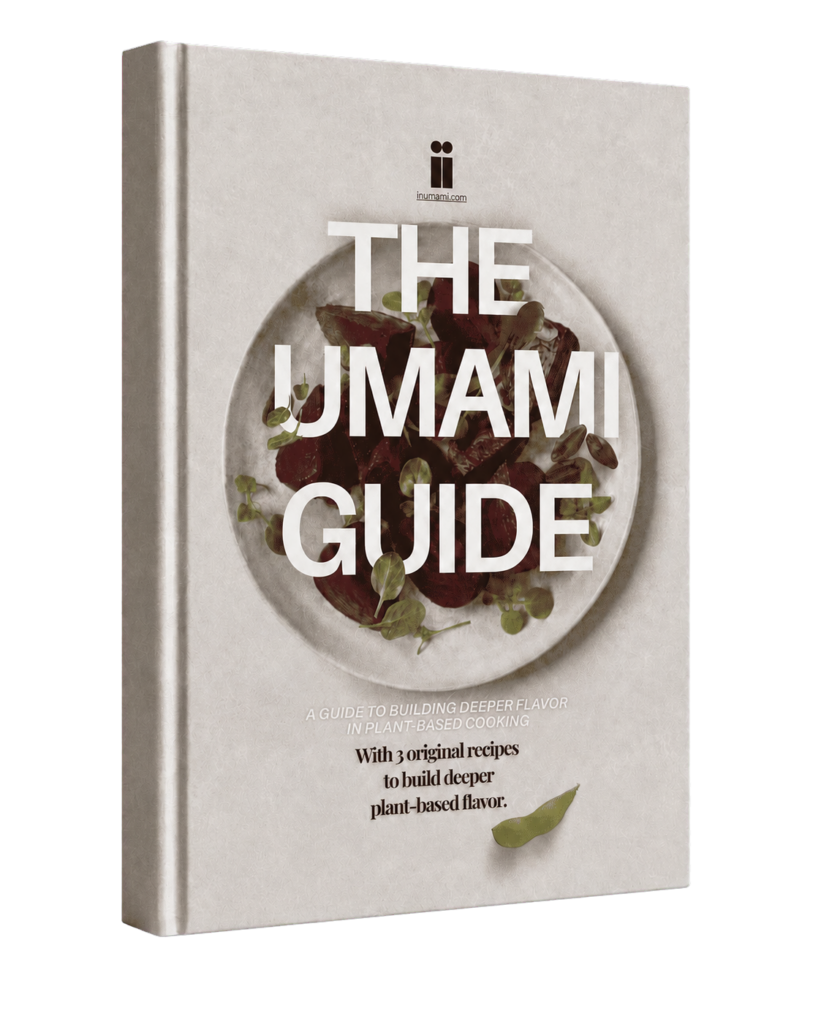
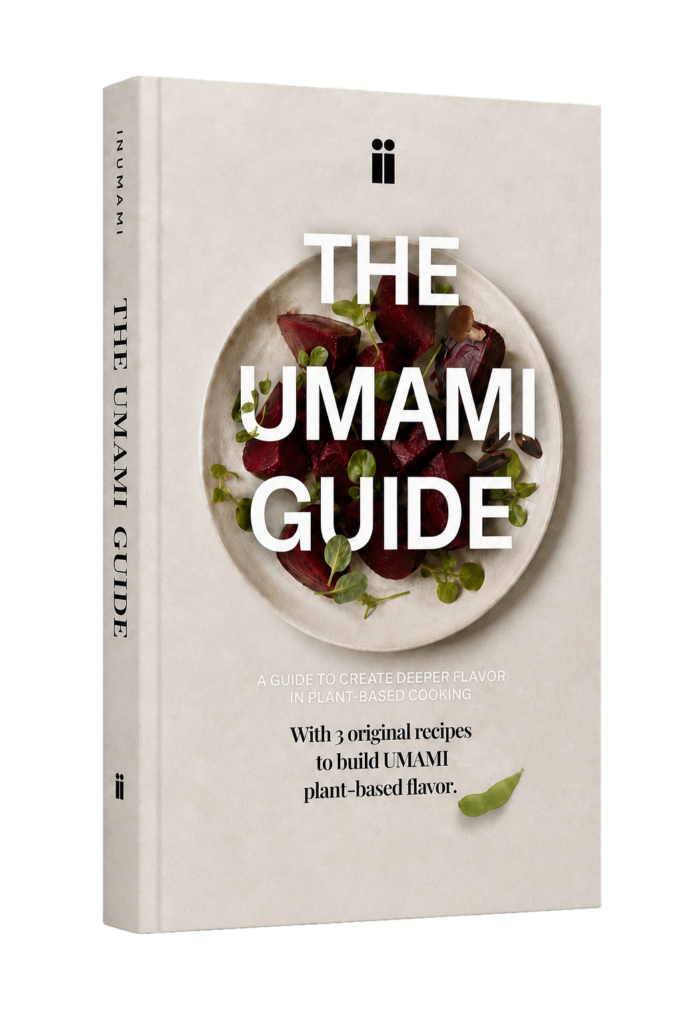
THE UMAMI GUIDE
A guide to building deeper flavor in plant-based cooking, with 3 original recipes to help you cook with more depth, balance and intention.
Newsletter
Signup for news and special offers!
Thank you!
Thank you! Check your inbox to receive The Umami Guide.
Free Ebook