
This article contains affiliate links. If you purchase through them, INUMAMI may earn a small commission at no extra cost to you. We only recommend what we genuinely use and trust and your support means the world to us.
Tamari soy sauce is umami salvation brought down to earth for anyone who, like me, cannot, or simply does not want to, eat gluten. It is is a Japanese variation of traditional soy sauce, and its main difference is that it is gluten-free. Conventional soy sauce is usually made with wheat as well as soybeans, while tamari typically contains little or no wheat.
The good news is that tamari also has a deeper, more concentrated umami flavour, making it an ideal choice for bringing richness and depth to plant-based dishes.
In this guide, you will discover everything, truly everything, about this special ingredient: what it is, how to use it, where to use it, and why it deserves a permanent place in your kitchen.
What Is Tamari?
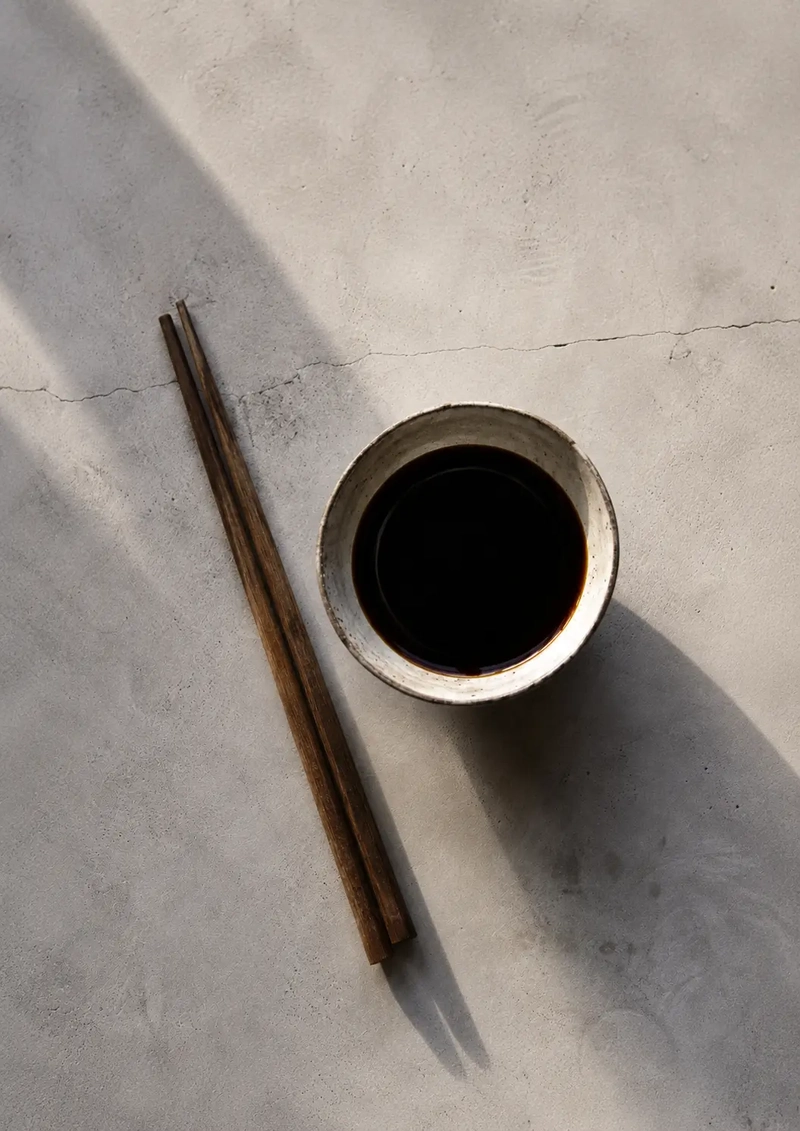
Tamari, also known as tamari soy sauce, is described as the original form of Japanese soy sauce: a dark, concentrated liquid created through the fermentation of soybeans, water, and salt.
Its history is fascinating and worth knowing because food, too, carries a memory. And when we understand where an ingredient comes from, we also learn how to use it with care and respect.
Like many traditional cooking techniques ( I also touched on this in my guide about how to marinate tofu) tamari was born from fermentation, a process originally used to preserve food. Its story is closely connected to miso production. During the long fermentation and ageing of soybean miso, a thick, dark, intensely flavoured liquid would collect inside the fermentation vessel. That precious liquid became what we now know as tamari: the original soy sauce.
Even its name seems to preserve this history: tamari is associated with the idea of something that gathers or accumulates, recalling the slow collection of this deeply savoury fermented liquid.
How Is Tamari Made?
Tamari begins with soybeans, which are slowly steamed until tender. They are then inoculated with a beneficial mould called Aspergillus oryzae, also known as koji mould, and left in a warm, carefully controlled environment for a few days while the koji develops.
The mixture is then transferred into large fermentation vats with salt and a relatively small amount of water, where it begins a long process of fermentation and ageing. Traditional tamari can mature for many months, and some varieties are left for more than a year.
This is where the umami magic truly happens. The enzymes produced by the koji gradually break down the soybean proteins into amino acids, including the compounds responsible for tamari’s characteristic deep, savoury flavour. Yeasts and lactic acid bacteria also contribute to its aroma, complexity and richness as the mixture slowly matures. Once the fermentation is complete, the matured mixture is carefully pressed to extract the dark liquid, which is then filtered and usually pasteurised before being bottled.
In other words, what reaches our table is the noble result of a long, patient and laborious transformation, one that turns the humble soybean into one of the most powerful flavour enhancers in the kitchen. Isn’t this so fascinating?
Tamari vs Soy Sauce: What’s the Difference?
Tamari and soy sauce are not the same thing, even though they taste very similar, are used in much the same way, are both excellent sources of umami, and begin with the same main ingredient ( soybeans) .
Their most important difference is, of course, wheat. Regular soy sauce is usually brewed with wheat, while tamari is generally made with little or no wheat. Still, because not every bottle is produced in exactly the same way, anyone who needs to avoid gluten should always look for one that is clearly labelled gluten-free.
Although their flavours are close, there is a difference that can matter in cooking. If you can eat gluten, the best test is still your own palate: taste them both without knowing which is which, and write down what you notice. If you cannot, I can help you ( yes, before discovering that I could no longer eat gluten, I used to have regular soy sauce too, so i know its taste pretty well! ).
The main difference between tamari and soy sauce is intensity. Soy sauce is generally lighter in flavour, but it can also taste saltier and sharper. Tamari is more concentrated, smoother and less sharp, with a much deeper umami quality.
For gluten-free cooking, tamari is usually the natural choice, but only when the bottle is clearly labelled gluten-free. From a flavour point of view, choose tamari when you want something darker, richer and more umami-forward.
Tamari vs Soy Sauce at a Glance
| Comparison | TAMARI | SOY SAUCE |
|---|---|---|
| Main ingredients | Mainly soybeans, water and salt | Usually soybeans, wheat, water and salt |
| Coeliac-safe | Yes, when clearly labelled or certified gluten-free | Usually no, as traditional soy sauce contains wheat |
| Flavour | Deep, smooth and intensely umami | Lighter, saltier and slightly sharper |
| Texture | Usually thicker and more concentrated | Usually thinner and more fluid |
| Colour | Darker and richer | Generally lighter |
| Best used for | Marinades, dressings, dipping sauces, glazes and dishes that need greater depth | Stir-fries, soups, sauces and everyday seasoning |
Always check the label carefully: not every product sold as tamari is automatically suitable for people with coeliac disease.
Tamari, Gluten and Coeliac Safety
Is tamari gluten-free? In most cases, yes. Traditional tamari is generally made primarily from soybeans, water and salt, without the wheat commonly used in regular soy sauce. Because wheat is not part of the traditional recipe, tamari is usually suitable for people with a gluten intolerance or for anyone who chooses to avoid gluten.
Cross-contamination, however, is a separate matter. Production methods and facilities can vary, so anyone with coeliac disease should only choose tamari that is clearly labelled or certified gluten-free.
Tamari Contains Soy
Do not let the name confuse you: although it is called tamari rather than soy sauce, tamari obviously still contains soy. This means that for anyone with a soy allergy or intolerance, it is an absolute no. The fact that tamari is described as a gluten-free alternative to soy sauce can sometimes create confusion. It replaces the wheat-containing condiment, not the soy itself.
For those who need to avoid both gluten and soy, coconut aminos can be a useful alternative. They are made from the sap of coconut blossoms combined with salt and, despite the name, they do not have a coconut flavour. Their taste is milder, sweeter and less intensely umami than tamari, so the final result will not be exactly the same, but they work well in marinades, dressings, stir-fries and dipping sauces.
A Deep, Concentrated Umami: What Does Tamari Taste Like?
Tamari is a pure and intense concentration of umami. Its flavour is deep, rich and savoury, with saltiness present but never as the main sensation.
I explained what umami really is in my guide to vegan umami foods, and tamari is one of its key ingredients: one of those condiments capable of giving depth, complexity and a more complete flavour to a dish with just a small amount.
A good tamari can have subtle fermented, earthy and almost slightly sweet notes, which give it greater complexity and make even a small amount surprisingly effective. This is one of the reasons I find tamari so precious in my plant-based cooking. It does more than season a dish: it gives it body. It can make mushrooms taste deeper, tofu more satisfying, vegetables more savoury and sauces far more complete.
Because its flavour is concentrated, it is always better to begin with a small amount, taste the dish and add more only if needed. Tamari is powerful, and the goal is usually to create depth without allowing it to dominate every other ingredient.
Want to Bring More Umami into Your Kitchen?
If you want to understand how to create deeper, richer flavour in your everyday cooking, I have created a free mini guide dedicated entirely to umami. Inside, you will find a simple explanation of how umami works, the ingredients that can help you build it naturally, and three easy recipes designed to add depth and complexity to your dishes. Tamari is, of course, one of the ingredients I explore.
You can receive the guide for free by joining the INUMAMI newsletter. You will find the sign-up box just below this article.
How to Use Tamari
Tamari is one of those ingredients that can transform a dish with very little effort. You do not need much: even one or two teaspoons can add depth, balance and a more complete savoury flavour. I use tamari almost every day as both a salty and umami-rich ingredient. I also try to use it in place of salt in many dishes because, unlike salt, it does more than add savouriness: it also brings depth.
Marinades for Tofu, Tempeh and Vegetables
I have written an entire guide on how to marinate tofu, and tamari is, of course, one of the key ingredients. It is, indeed, one of the best foundations for a marinade. Its saltiness helps season the ingredient, while its deep umami flavour gives tofu, soy, tempeh, mushrooms and vegetables far more character.
For a simple marinade, mix tamari with a little oil, an acidic ingredient and something slightly sweet. This creates a balance between saltiness, acidity, fat and sweetness, allowing the umami to feel deep rather than overpowering. You can combine it with ingredients such as:
- Olive oil
- Sesame oil
- Lime juice
- Lemon juice
- Orange juice
- Garlic
- Ginger
- Maple syrup
- Agave Syrup
- chilli
- Miso
- Black Pepper
A tamari-based marinade is the trick I use to flavour the soy in my vegan schnitzels, making them deeply savoury and rich in umami.
Dressings and Cold Sauces
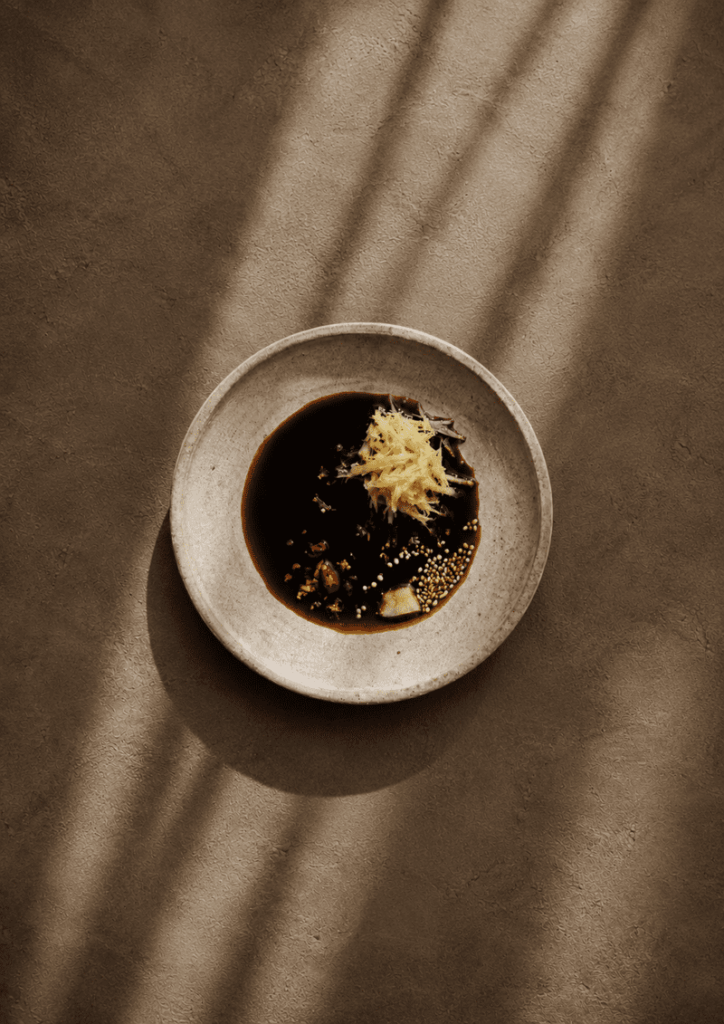
A small amount of tamari can bring depth to dressings that might otherwise taste flat or overly acidic. It works particularly well in dressings made with tahini, nut butter, sesame oil, lime, rice vinegar or maple syrup. It can also be added to creamy vegan sauces made with cashews, tofu or plant-based yoghurt.
Begin with around one teaspoon, mix well and taste before adding more. In a dressing, tamari should support the other ingredients rather than become the only flavour you can recognise.
Soups, Stews and Broths
A teaspoon of tamari can give soups, stews and broths a deeper, more developed flavour without making them taste specifically like soy sauce. It is especially useful in mushroom soups, lentil stews, vegetable broths, ramen-style soups and dishes made with beans or grains.
Add it gradually towards the end of cooking. This allows you to taste the dish properly and adjust both the salt and the umami without losing control of either.
Glazes and Roasted Dishes
Because of its dark colour and concentrated flavour, tamari works beautifully in glazes. Mix it with maple syrup, miso, mustard or a little oil, then brush it over tofu, tempeh, mushrooms or vegetables before roasting.
The natural sugars in the glaze will caramelise in the oven, while the tamari creates a glossy surface and a deep savoury flavour. Keep an eye on the food during the final minutes of cooking, as tamari-based glazes can darken quickly.
Adding Depth to Everyday Dishes
Tamari does not need to be reserved for Asian-inspired recipes. A very small amount can enrich many everyday dishes without changing their identity. I use it, for example, to create the traditional Italian-style ragù using soy protein, or in tomato sauces for pasta. When used in the right amount, tamari does not overpower the flavours typical of Mediterranean cooking for instance. On the contrary, it helps intensify them.
You can use it on:
- tomato sauces;
- mushroom dishes;
- lentil or bean recipes;
- vegan gravies;
- mashed vegetables;
- grain bowls;
- savoury fillings;
- plant-based burgers and meatballs.
This is one of my favourite ways to use tamari: not always as a flavour you can immediately identify, but as something working quietly underneath the dish, making every other ingredient taste fuller and more complete.
What to Look for When Buying Tamari & My Favourite Brands
First, I have already mentioned this, but it is worth repeating: tamari is generally made without wheat, but to be certain that it is safe from cross-contamination, always look for a product that is clearly labelled or certified gluten-free. This is the first thing I check when choosing a brand.
After that, I look at the ingredients. A traditional tamari should have a very simple list. A little alcohol may sometimes be added for preservation, but I tend to avoid products filled with unnecessary flavourings, colourings or sweeteners.
Organic certification is also something I value, particularly when it comes to soy. It guarantees specific standards regarding how the ingredients are grown and processed, and it can also provide reassurance for those who prefer to avoid genetically modified soy. However, organic does not automatically mean better flavour: the quality of the fermentation and the balance of the finished tamari remain just as important.
The production method is another important sign of quality. Look for expressions such as traditionally brewed, naturally fermented or long-aged. Fermentation and ageing are what allow tamari to develop its deep colour, complex aroma and concentrated umami flavour. When a producer explains how the tamari is made and how long it is aged, that transparency is usually a very good sign.
Finally, low-sodium tamari is not necessarily better or worse. It is simply a useful option for anyone who needs or prefers to reduce their salt intake. For me, the final test is still the taste: a good tamari should be rich, rounded and intensely savoury, without tasting aggressively salty or sharp.
Tamari Brands I Recommend
This is a list of brands I feel confident recommending, each for different reasons, all of which I have explained clearly below.
- Wan Ja Shan Organic Tamari. Wan Ja Shan is a particularly interesting option for anyone looking for an organic, gluten-free tamari with a lower sodium content. The brand describes it as naturally brewed through a slow fermentation process, using whole organic soybeans to create a rich and rounded umami flavour. It is also clearly labelled gluten-free, organic, non-GMO and vegan.
- KAWASHIMAYA Organic Gluten-Free Vegan Tamari. Kawashimaya is a particularly interesting choice for anyone looking for a high-quality, versatile tamari for everyday cooking. Made in Japan using a traditional brewing method, it is slowly aged for one year to develop a rich yet gentle umami flavour. Unlike more traditional tamari, which is usually very dark, dense and intensely concentrated, this version contains organic brown rice. This gives it a smoother, lighter consistency, a subtle natural sweetness and a slightly clearer colour, while preserving the savoury depth we expect from tamari.
- Ohsawa Organic Tamari, Traditionally Brewed in Cedar Kegs. Ohsawa Organic Tamari is one of the most interesting options for anyone looking for a tamari made according to traditional Japanese methods. It is produced by the Deguchi family on Japan’s Chita Peninsula and traditionally brewed in cedar kegs, using techniques passed down through generations. This slow, artisanal production gives it a deep colour, rich consistency and particularly full-bodied umami flavour. Its concentrated flavour makes it especially suitable for marinades, stews, sauces, vegetable dishes and recipes that cook for longer, as its savoury character remains present even after heating. Because it is so rich, only a small amount is usually needed to bring considerable depth to a dish.
- Weekend Foods Organic Tamari Soy Sauce. Weekend Foods Organic Tamari is a good option for anyone looking for a simple, organic tamari made without unnecessary additives. Its ingredient list contains only organic soybeans, water and salt. The brand provides fewer details about the length and precise method of fermentation than some more traditional Japanese producers, so I would choose this primarily for its clean organic ingredients rather than for a specifically artisanal ageing process.
The Best Tamari Substitutes
If gluten is not a concern for you, the most obvious substitute is regular soy sauce. As we have already seen, its flavour is very similar to tamari and it can be used in much the same way. Always choose a high-quality product, paying attention to its ingredients, origin and production process.
To replace tamari while remaining within soy sauce gluten-free options, look for a soy sauce that is clearly labelled or certified gluten-free. This will generally provide the closest result in terms of saltiness, savoury depth and overall flavour.
Coconut aminos are another valuable alternative, especially for anyone who needs to avoid soy as well as gluten. They are a dark seasoning made from coconut blossom sap and salt. However, coconut aminos are milder, sweeter and less intensely umami than tamari. They can work very well in marinades, dressings, stir-fries and dipping sauces, but the final flavour will be slightly different. You may also need to adjust the amount of salt to keep the dish balanced.
Another useful option is miso diluted with a little water. Mix approximately one teaspoon of gluten-free miso with one or two teaspoons of water to create a savoury liquid seasoning. It will be thicker and less similar to soy sauce, but it can provide considerable saltiness and umami in marinades, soups, dressings, glazes and stews.
Finally, mushroom powder, dried mushrooms, mushroom broth or a good mushroom-based seasoning can replace the role of tamari in recipes where its purpose is primarily to create depth.
FAQs
If you still have a question that I have not answered in this guide, feel free to leave it in the comments below. I will be happy to help and, if useful, add it to this section.
Not exactly. Tamari is a specific Japanese type of soy sauce, traditionally made mainly from soybeans and little or no wheat. Gluten-free soy sauce is a broader term that can include tamari as well as other soy sauces specifically produced without wheat.
Yes, traditional tamari is vegan. It is usually made from soybeans, water, salt and the microorganisms used during fermentation, without any animal-derived ingredients. As always, check the label when buying flavoured tamari sauces or prepared blends, as these may contain additional ingredients.
Tamari does not always need to be refrigerated before opening. Once opened, however, keeping it in the refrigerator helps preserve its flavour, aroma and quality for longer. Always follow the storage instructions on the bottle, as recommendations may vary between brands.
Tamari is now widely available in supermarkets, health food stores, Asian grocery shops and online. You can find direct links to some of the brands I recommend earlier in this article, where you can also read why I selected each one. In general, however, tamari is much easier to find than it once was and is often stocked either next to regular soy sauce or in the gluten-free section.
Sources and Further Reading
- Ministry of Agriculture, Forestry and Fisheries of Japan — Japanese Soy Sauce and Miso. Used as a reference for the history, fermentation and traditional production of tamari.
- U.S. Food and Drug Administration — Gluten and Food Labeling. Consulted for information about gluten-free labelling and food safety standards.