This article contains affiliate links. If you purchase through them, INUMAMI may earn a small commission at no extra cost to you. We only recommend what we genuinely use and trust and your support means the world to us.
Umami is one of the five basic tastes, alongside sweet, salty, sour, and bitter. It was identified in 1908 by Japanese chemist Kikunae Ikeda, who noticed that the deep, savory taste of kombu broth could not be fully explained by the other four tastes. That flavor came from glutamate, an amino acid naturally present in many foods, and it gave a name to something we have all experienced in cooking: depth.
Umami is the taste that makes food feel rounded, satisfying, and complete. It is not simply “salty,” and it is not only “savory” in a generic sense. It is that lingering, mouthwatering quality that gives a dish body and makes every bite feel more complex.
Because umami is often associated with meat, aged cheese, fish sauce, or bone broth, it can sometimes be treated as something missing from plant-based cooking. But this is not true. Some of the most powerful umami foods are naturally vegan: mushrooms, tomatoes, seaweed, miso, soy sauce, tamari, nutritional yeast, fermented vegetables, legumes, roasted garlic, onions, olives, capers, and toasted nuts and seeds.
In vegan cooking, umami is especially important because it helps create depth without relying on animal ingredients. It gives structure to sauces, richness to soups, intensity to marinades, and a more satisfying finish to simple vegetables, grains, and legumes.
A plant-based dish does not need to imitate meat to feel complete. It simply needs balance. And umami is one of the most beautiful ways to build that balance: through fermentation, roasting, slow cooking, caramelization, concentration, and layering ingredients that naturally carry savory depth.
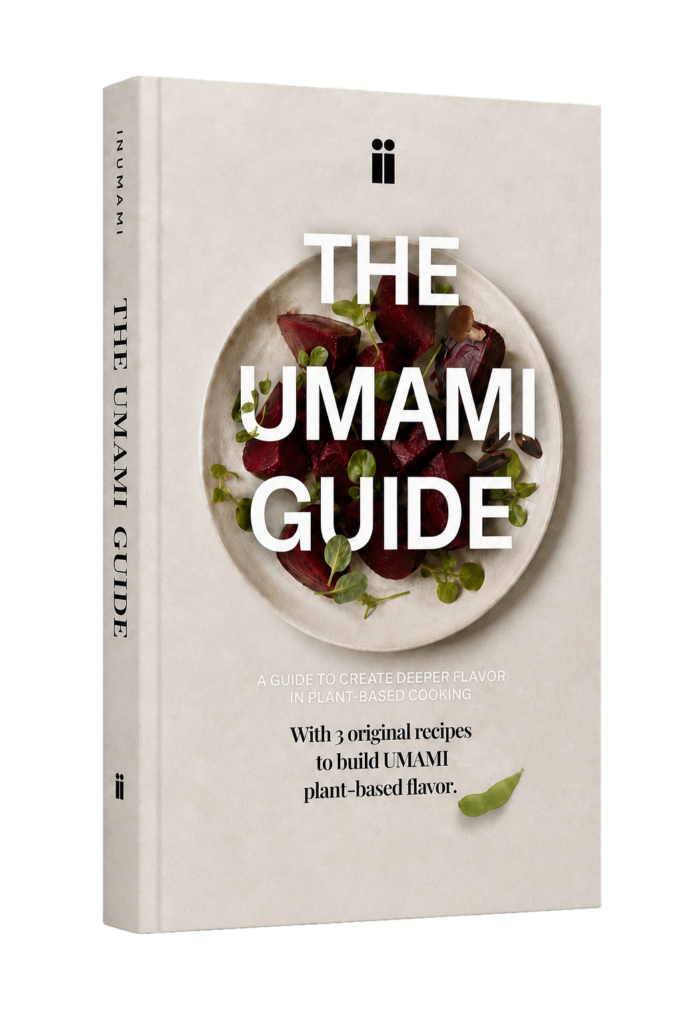
This guide is dedicated to vegan umami foods: what they are, how they taste, and how to use them to make plant-based meals more flavorful, satisfying, and deeply nourishing.
What Is Umami and Why Does It Matter in Cooking?
When I began studying plant-based cooking, I did not know much about umami. I knew it could appear when something was caramelized. I knew it was probably the reason why I loved the golden crust that polenta would form at the bottom of the pot when my grandmother cooked it and let it roast a little too much.
But I did not yet know that umami was also the reason why mushrooms taste so deeply delicious, why onions become so rich when cooked slowly, or why soy sauce can transform a dish with just a small amount.
Later, I discovered that some dishes, especially the most irresistible ones, are often described as umami bombs because they contain a high concentration of umami-rich ingredients. And once you understand this, cooking starts to change. You begin to realize that flavor is not only about adding salt or seasoning, but about building depth.
The Umami Experience
We usually know when something is sweet. We know when something is acidic, bitter, or too salty. These tastes speak quickly. Umami is different. It is more subtle, more layered, and often more difficult to isolate because it does not always appear as a single, obvious sensation.
Instead, umami interacts with the other tastes. It can deepen them, soften them, enrich them, or even hide them. It has the power to make a sauce feel more rounded, a soup more complete, a vegetable dish more satisfying, and a simple ingredient taste like something much more complex. This is why, in refined cooking, umami is used with great intention. It is not only about making food “tasty.” It is about creating a fuller experience of flavor.
When we eat something sweet, we can simply say: this is sweet. But when we eat something rich in umami, the experience becomes more total. We may not always say, “This is umami.” More often, we say: “this is delicious, savory, deep, satisfying“. It is the taste that makes food feel complete.
In vegan cooking, this becomes even more important for two reasons. First, some plant-based ingredients, such as tofu, are naturally mild and need to be enriched through marinades, sauces, spices, fermentation, roasting, or caramelization. Second, many people associate deep, savory satisfaction with animal-based foods, especially meat, which is naturally rich in umami. For those choosing to avoid these ingredients, learning how to build umami is essential. It allows plant-based cooking to feel abundant, flavorful, and complete, not like a step backward, but like a more conscious and creative way of cooking.

How Umami Is Created in Cooking
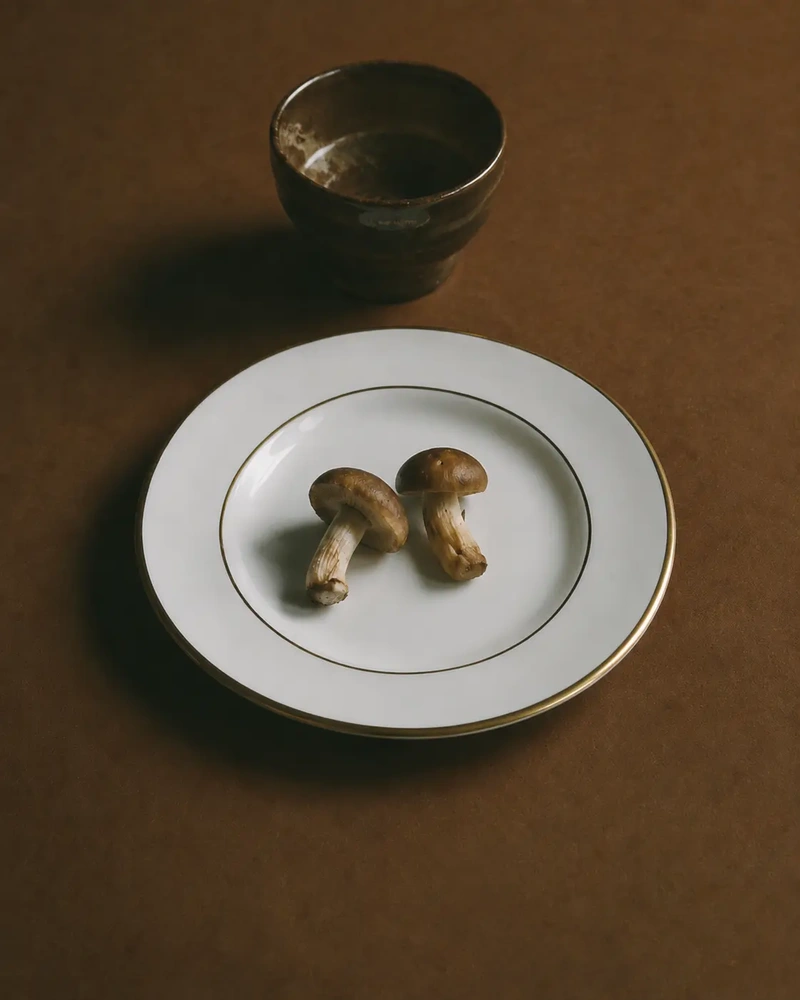
Umami is not created in only one way. Sometimes it is naturally present in an ingredient, as in mushrooms, tomatoes, seaweed, soy sauce, or miso. Other times, it is developed through cooking techniques that concentrate and transform flavor.
Roasting, caramelizing, browning, fermenting, reducing, and slow cooking are all ways to build umami. These processes make ingredients deeper, more intense, and more satisfying. A raw onion and a slowly cooked onion are not the same experience. A fresh tomato and a sun-dried tomato do not carry the same depth. A plain block of tofu and tofu marinated with tamari, miso, garlic, and sesame become two completely different things.
This is why umami is not only about choosing the right ingredients. It is also about learning how to treat them. In plant-based cooking, the method often matters as much as the ingredient itself ( if not more).
The Best Vegan Umami Foods
Umami can be found in many plant-based ingredients, especially when they are fermented, dried, roasted, aged, or cooked slowly.
This is not meant to be a complete list of every vegan food that contains umami. Instead, it is a practical guide to some of the most useful vegan umami foods: the ingredients that can genuinely transform everyday plant-based cooking, helping sauces, soups, grains, vegetables, tofu, legumes, and simple meals become deeper, richer, and more satisfying.
Vegetables with Natural Umami
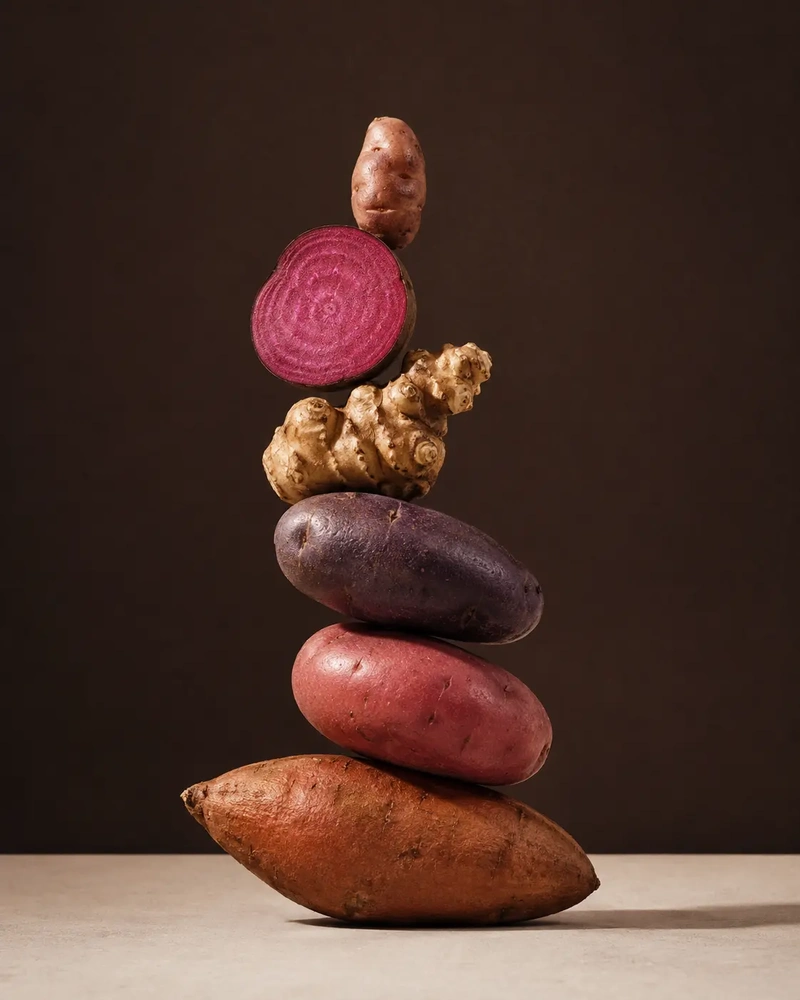
Some vegetables naturally contain compounds that contribute to umami, especially glutamate, the amino acid most closely associated with this deep, savory taste.
This means that these ingredients do not simply add color, fiber, or freshness to a recipe. They can also change the entire flavor structure of a dish. Used with intention, umami-rich vegetables can make a sauce taste deeper, a soup more satisfying, a grain bowl more complete, or a simple plate of legumes feel more rounded and complex.
- mushrooms
- tomatoes
- sun-dried tomatoes
- tomato paste
- onions
- caramelized onions
- garlic
- roasted garlic
- spinach
- peas
- corn
- sweet potatoes
- sweet corn
- asparagus
- broccoli
- cauliflower
- cabbage
- brussels sprouts
- leeks
- celery
- carrots
- beets
- eggplant
- potatoes
- seaweeds
- olives
- capers
- pickles
- artichokes
- fennel
- kale
- Swiss chard
- mustard greens
- radicchio
- zucchini
- bell peppers
Fermented Vegan Umami Foods
Fermentation is one of the most powerful ways to create umami. During fermentation, proteins are broken down into smaller compounds, including amino acids such as glutamate. This makes the flavor deeper, more savory, and more complex. It is one of the reasons why fermented ingredients can transform a dish with just a small amount.
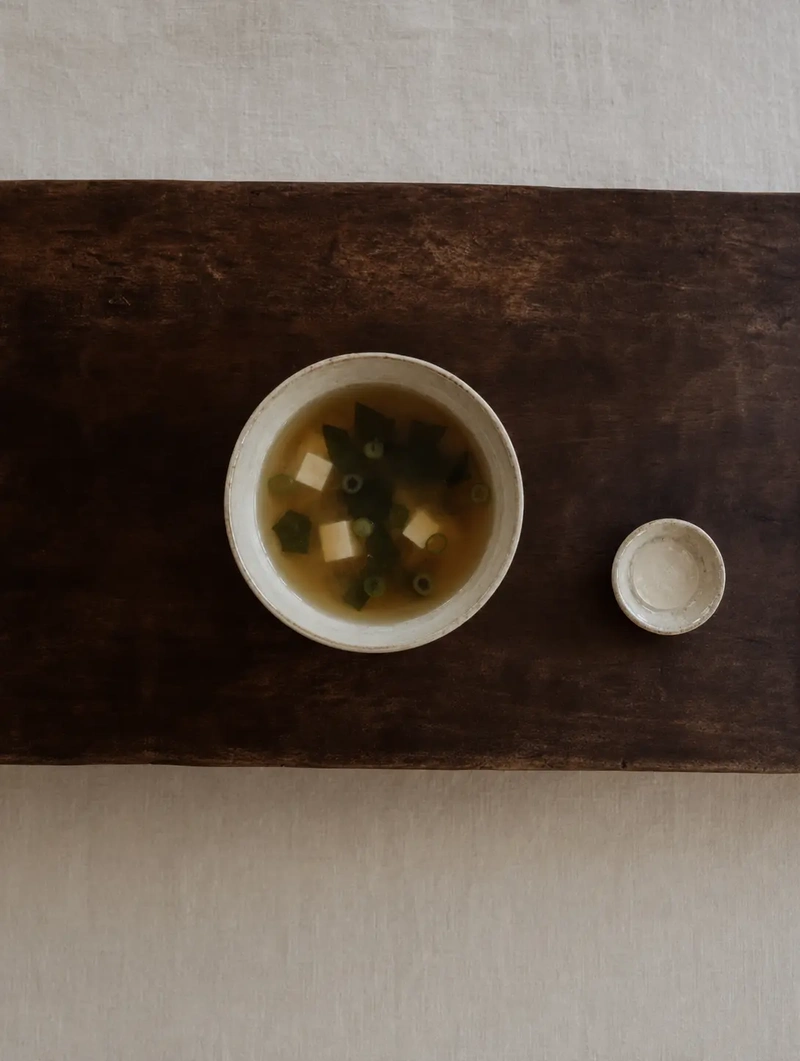
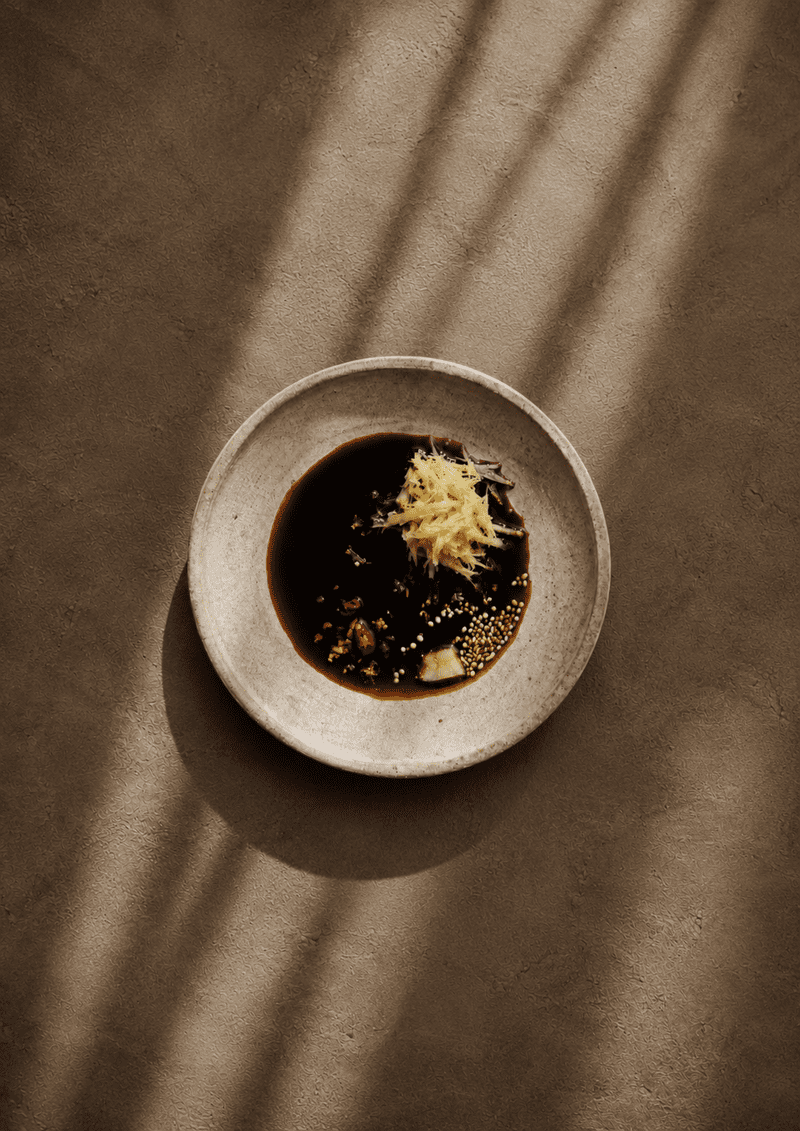
In vegan cooking, fermented umami foods are especially useful because they bring intensity without requiring many ingredients. A spoonful of miso can make a broth taste fuller. A little fermented chili paste can make a sauce feel more alive, rounded, and complete. A splash of tamari can give depth to tofu, mushrooms, or vegetables. I have also written a complete guide to tamari, where I explain what it is, how to use it, how it differs from soy sauce, and which brands are worth considering.
- miso
- tamari
- shoyu
- tempeh
- natto
- fermented tofu
- fermented black beans
- black bean sauce
- doenjang
- fermented pickles
- fermented vegetables
- shio koji
- koji rice
- koji-based marinades
- rice vinegar
- apple cider vinegar
- balsamic vinegar
- kombucha, especially in marinades or reductions
- vegan Worcestershire sauce, if fermented and fish-free
- coconut aminos
- fermented cashew cheese
- fermented nut-based cheese
- fermented seed-based cheese
- vegan kimchi
- sauerkraut
- fermented cabbage
- gochujang
Protein-Rich Vegan Umami Foods
Protein-rich vegan foods are not always strongly umami on their own, but they are some of the best ingredients for building depth when they are prepared with the right techniques.
Tofu, legumes, beans, chickpeas, and lentils can taste mild if they are simply boiled or added plain to a dish. But when they are roasted, browned, simmered with aromatics, marinated with miso or tamari, or cooked slowly in a rich sauce, they can become deeply savory and satisfying.
This is why protein-rich vegan foods are so important in plant-based cooking. They do not only make a meal more nourishing and complete. They also give the dish structure, body, and the ability to carry umami flavors beautifully.
- tofu, especially when pressed, marinated, and browned
- tempeh
- natto
- lentils
- black lentils
- green lentils
- red lentils, especially in soups and stews
- chickpeas
- roasted chickpeas
- white beans
- cannellini beans
- mung beans
- edamame
- soybeans
- split peas
- green peas
- peanut butter
- tahini
- toasted sesame seeds
- hemp seeds
- pumpkin seeds
- sunflower seeds
- kidney beans
- vegan fermented nut cheese
- vegan cashew cheese
- seitan, if gluten is tolerated
- textured vegetable protein
- soy curls
- pea protein chunks
- lupini beans
- cashews
- almonds
- walnuts
- black beans
- borlotti beans
How to Add Umami to Vegan Cooking
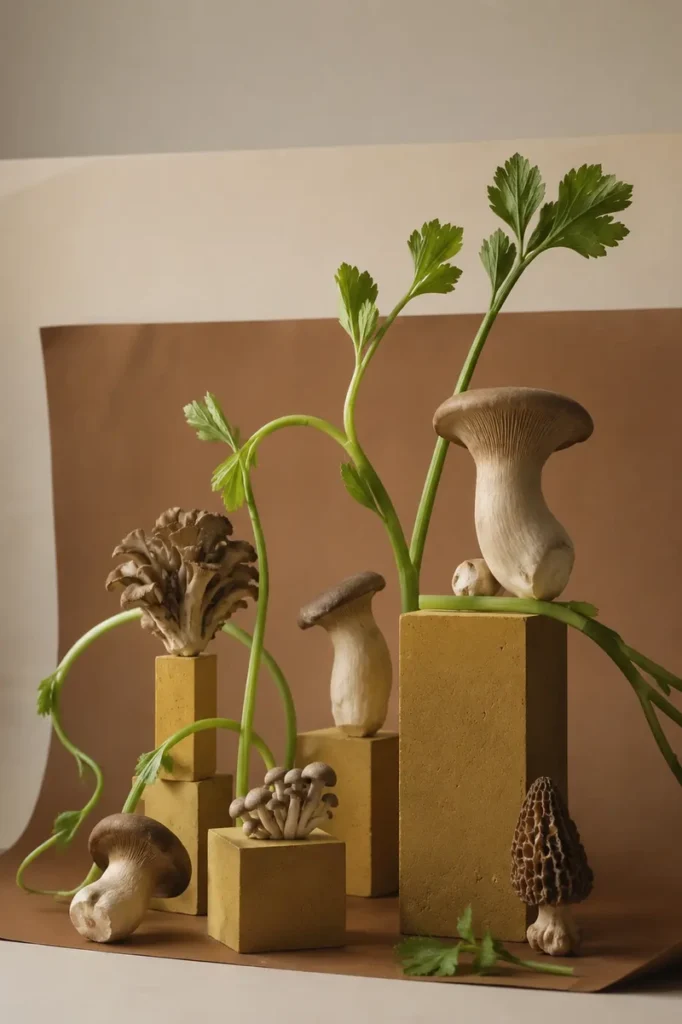
When building a dish, whether it is complex and layered or simple enough for everyday cooking, one of the best ways to create a satisfying experience is to work with all five tastes in balance.
Sweetness, acidity, saltiness, bitterness, and umami all have a role. But umami should be central when the goal is to create a dish that feels truly deep, savory, and complete. Umami is not only about choosing the right ingredients. It is also about knowing how to use them.
In vegan cooking, depth is usually built in layers. A single ingredient can help, but the real magic happens when different sources of umami are combined with the right technique: browning, roasting, caramelizing, fermenting, reducing, or simmering slowly.
A spoonful of miso can deepen a soup. Tomato paste can make a sauce richer. Mushrooms can give body to a stew. Tamari can make tofu more savory. Roasted garlic or caramelized onions can make a simple dish feel much more complete.
The goal is not to make every recipe taste the same. The goal is to understand where a dish needs more depth, and then choose the right ingredient or technique to create it.
Start with a Savory Base
One of the easiest ways to build umami is to begin with a flavorful base. Onion, garlic, leeks, celery, mushrooms, tomato paste, or miso can create depth before the main ingredients are even added.
Instead of adding everything at once, let these ingredients cook slowly. Allow onions to soften, garlic to become fragrant, mushrooms to brown, or tomato paste to darken slightly in the pan. This first layer gives the whole dish a deeper, more rounded flavor.
This works beautifully in soups, sauces, stews, pasta dishes, and legume-based recipes, such as a Vegan Leeks & Potatoes Soup or a Vegan Pumpkin and Red Lentils Soup
Brown, Roast, or Caramelize
Umami becomes more intense when ingredients are exposed to heat in the right way. Roasting, browning, grilling, and caramelizing all concentrate flavor and create that deep, savory quality that makes food feel more satisfying.
This is why roasted vegetables taste richer than boiled ones, why caramelized onions feel almost sweet and savory at the same time, and why tofu becomes much more interesting when it is cooked until golden. Try this with mushrooms, carrots, eggplant, cauliflower, chickpeas, tofu, tempeh, onions, garlic, tomatoes, and even cabbage.

Use Fermented Ingredients for Instant Depth
Fermented ingredients are some of the fastest ways to add umami to vegan cooking. A small amount of miso, tamari, soy sauce, fermented chili paste, or vegan kimchi can make a dish taste deeper without making it complicated.
The key is to use them with balance. Miso can be stirred into sauces, dressings, soups, marinades, and creams. Tamari can season tofu, mushrooms, noodles, rice bowls, or roasted vegetables. Gochujang or fermented chili paste can add heat, sweetness, and umami at the same time. A spoonful is often enough to change the entire direction of a dish.
Make Tofu and Legumes Carry Flavor
Tofu, beans, chickpeas, and lentils are nourishing and protein-rich, but they often need help becoming flavorful. This is where umami becomes essential.
Press tofu when needed, then marinate it with ingredients like tamari, miso, garlic, lemon, sesame oil, smoked paprika, or tomato paste. In my vegan schnitzels recipe, for example, the soy is marinated before being breaded and cooked. Let beans and lentils simmer with aromatics, herbs, mushrooms, or a spoonful of tomato paste. Roast chickpeas with spices until crisp and savory.
Reduce Sauces Instead of Diluting Flavor
Sometimes umami is not added, but concentrated. Letting a sauce simmer and reduce allows the flavors to become deeper and more connected. This works especially well with tomato sauces, mushroom sauces, curries, stews, broths, and marinades.
In everyday cooking, this can be as simple as letting a sauce cook a little longer before serving, instead of adding more liquid too quickly. Less water often means more flavor.
Use Tomato Paste, Sun-Dried Tomatoes, and Mushrooms as Flavor Boosters
Some ingredients are small but powerful. Tomato paste, sun-dried tomatoes, dried mushrooms, mushroom powder, olives, capers, and nutritional yeast can instantly make a recipe feel more complex.
Tomato paste becomes especially delicious when cooked for a minute or two in oil before adding liquids. This is a common technique in many Indian-inspired dishes, where tomato paste is often cooked with spices, aromatics, and fat at the beginning of the recipe to create a deeper, more concentrated flavor base. Instead of tasting raw or acidic, the tomato becomes darker, richer, and more savory.
Even a simple 3-ingredient tomato soup made with fresh tomatoes can be incredibly rich in umami, especially when the tomatoes are roasted first to concentrate their flavor.
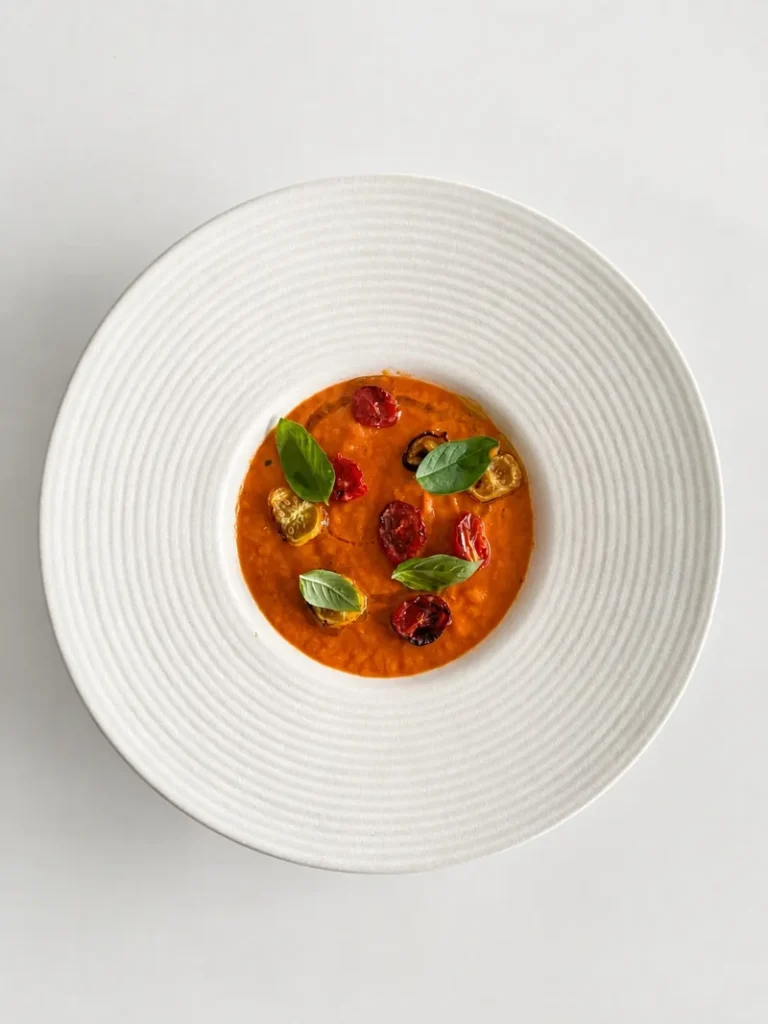
Mushrooms become more umami-rich when browned properly instead of steamed. Sun-dried tomatoes can add depth to sauces, spreads, stews, pasta, and grain bowls. These are the ingredients to keep in mind when a dish tastes “almost good” but still feels a little flat.
Vegan Umami Flavor Combinations
Umami becomes even more powerful when it is combined with the right flavors. In vegan cooking, the goal is rarely to use one umami ingredient alone, but to layer it with fat, acidity, salt, sweetness, bitterness, and texture. A spoonful of miso can feel intense on its own, but with tahini and lemon it becomes creamy, bright, and balanced.
Some useful vegan umami combinations:
- miso + tahini + lemon
- mushrooms + tamari + garlic
- tomato paste + olive oil + spices
- sun-dried tomatoes + basil + cashews
- tofu + tamari + sesame oil
- tempeh + maple syrup + tamari
- eggplant + miso + sesame oil
- chickpeas + roasted garlic + tahini
- lentils + tomato paste + smoked paprika
- beans + mushrooms + herbs
- olives + capers + tomatoes
- nutritional yeast + cashews + mustard
- seaweed + tofu + sesame oil
- roasted carrots + miso + lemon


FAQ’s
Umami is one of the most important tastes to understand in plant-based cooking, but it can also be one of the least obvious. These questions explore what umami means, which vegan foods are naturally rich in umami, and how to use them to make everyday meals taste deeper, fuller, and more satisfying.
Some of the most umami-rich foods are aged, fermented, dried, or concentrated ingredients, because these processes intensify savory flavor. In general, foods like kombu seaweed, dried mushrooms, miso, soy sauce, tamari, tomato paste, sun-dried tomatoes, nutritional yeast, and fermented bean products are among the strongest plant-based sources of umami.
Umami itself is not vegan or non-vegan, because it is not an ingredient. It is one of the five basic tastes, just like sweet, salty, sour, and bitter. The confusion comes from the fact that many foods commonly associated with umami are animal-based, such as meat, aged cheese, fish sauce, or broth. But umami can also come from many plant-based ingredients.
Mushrooms, tomatoes, seaweed, miso, tamari, soy sauce, nutritional yeast, legumes, olives, capers, fermented vegetables, and roasted or caramelized vegetables can all bring umami to vegan cooking. So while not every umami-rich food is vegan, umami as a taste absolutely belongs in vegan cuisine. The key is choosing plant-based umami sources and using them to build depth, balance, and satisfaction.
In Japanese food, umami is one of the most important foundations of flavor. The word umami comes from Japanese and is often translated as “pleasant savory taste” or “deliciousness.” It is the deep, savory quality found in ingredients such as kombu, shiitake mushrooms, miso, soy sauce, tamari, fermented foods, and dashi. In Japanese cooking, umami is not usually loud or heavy. It is often subtle, balanced, and precise. It gives broths, sauces, rice dishes, tofu, vegetables, and noodle dishes a sense of depth and completeness without overwhelming the other flavors. This is why Japanese cuisine is such a beautiful example of how umami can make simple ingredients taste deeply satisfying.
Why Umami Is at the Heart of INUMAMI
Umami was one of the first things in plant-based cooking that truly inspired me to create. It made me understand that depth of flavor could allow vegan cuisine to stand fully on its own, without needing to envy anything from omnivorous cooking.
For me, umami also carries something deeply familiar. It is the flavour of home, ritual, and memory. It is the aroma of toasted bread on a summer evening, the smell of mushrooms cooking in a pan in winter, the warmth released by soups and stews in autumn, when ingredients slowly come together and the whole kitchen begins to feel alive.
This is why the word umami became central to INUMAMI. It represents the kind of food I believe in: plant-based, intentional, generous, and full of depth. Food that is not built around absence, but around flavor. Food that nourishes, satisfies, and creates a small experience every time we sit down to eat.
For me, vegan cooking is not about giving something up. It is about discovering how much can be created when ingredients are treated with care, curiosity, and imagination. Umami is the taste that reminds us of this: that simple food can be profound, and that plant-based cooking can be both everyday and extraordinary. If you would like to know more about my story with cooking, you can read my bio.