This article contains affiliate links. If you purchase through them, INUMAMI may earn a small commission at no extra cost to you. We only recommend what we genuinely use and trust and your support means the world to us.
Beetroot is one of those ingredients we all know, often seen in restaurants, with its distinctive color that brings a kind of quiet magic to a dish’s presentation. And yet, it’s not always easy to cook it and transform it in the right way. But bringing out its natural sweetness and understanding how to work with its texture is not as difficult as it might seem.
When not cooked properly, it can feel too earthy, too dense, almost overwhelming. But when treated with the right technique, it becomes something completely different, naturally sweet, soft, and deeply satisfying.
The transformation is subtle, but important. Cooking beetroot is not just about time, but about how you guide that transformation: how you bring out its sweetness, soften its texture, and balance its more intense notes.
In this guide, you’ll get to know this incredibly versatile ingredient, learn how to cook it properly, and understand how to use it in a way that feels refined and intentional, just as you might experience it in a restaurant. You’ll also be guided through some of the simplest and most effective cooking methods.
What Is Beetroot and Why Cooking It Properly Matters
Beetroot is a delicious root vegetable known for its deep color and distinctive flavour. It has a naturally earthy taste, balanced by a subtle sweetness that becomes more pronounced when cooked properly. Its texture can vary from firm to soft depending on the method used, which is why the way you cook it plays such an important role.
From a nutritional perspective, beetroot is rich in fiber and contains beneficial plant compounds, making it a valuable ingredient in a balanced diet. Scientific research has also shown that beetroot may help support healthy blood pressure levels. If you’d like to explore this further, you can read more about beets’ benefits in this article from healthline.
Cooking beetroot in the right way is not just about improving its taste. The right cooking method helps preserve its structure, enhance its natural sweetness, and maintain as much of its nutritional value as possible. When overcooked or handled incorrectly, beetroot can lose both its texture and some of its more delicate qualities. Understanding how to work with it allows you to appreciate it fully, not just for its pinterest friendly color, but for its depth and versatility.
And did you know that beetroot can also be fermented? It becomes tangy, bright, complex, and completely different from cooked beetroot. If you are curious, you can read my full guide on how to ferment beets.
How to Cook Beetroot in the Oven
These are two methods for cooking beetroot in the oven, two different approaches that lead to different results, but both equally delicious.
Foil-Baked Beetroot (Slow Method)
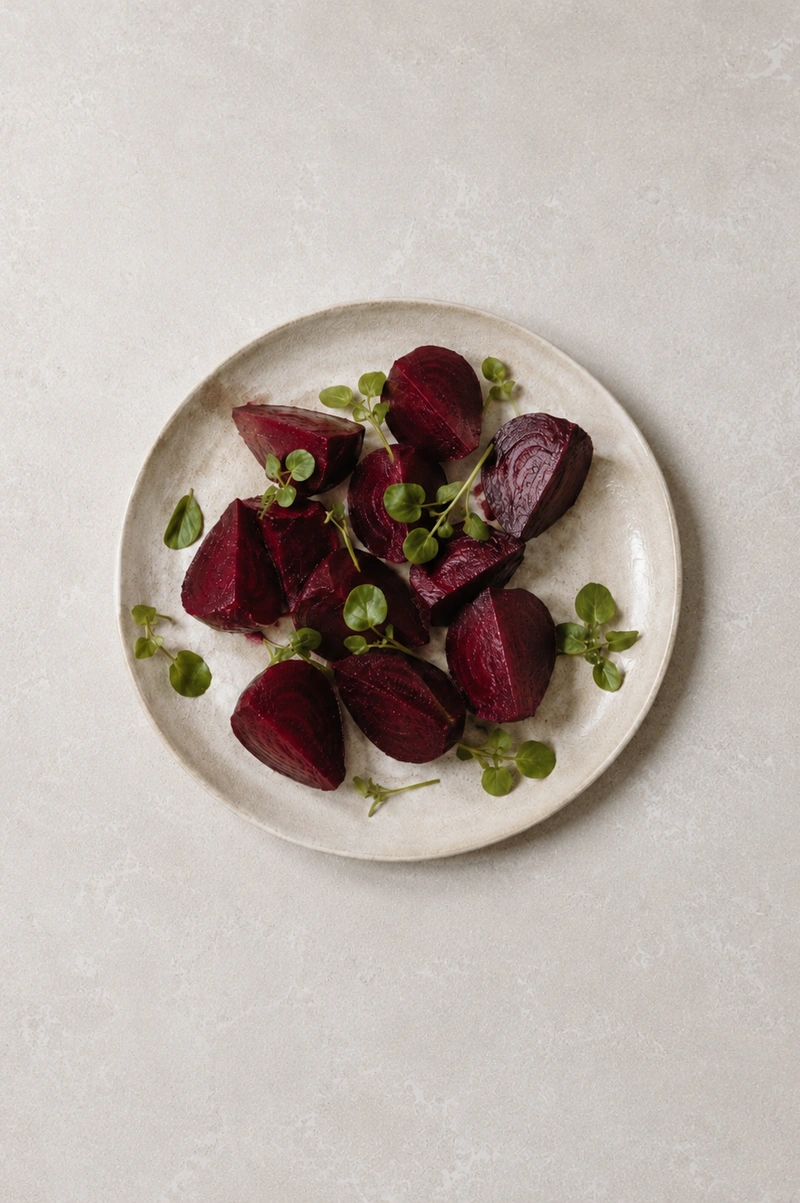
The best way to cook fresh beetroot, while preserving its nutrients, maintaining its rich and balanced flavor, and achieving a texture that works for any recipe (from tartares to salads to sauces like a beetroot and chickpeas hummus), is this method. It’s also the way beetroot is often prepared in professional kitchens, and I can assure you it’s much easier than it might seem.
Method:
Wash the beetroot thoroughly without peeling it, then pat it dry with a paper towel. Rub it lightly with olive oil and a pinch of coarse salt ( just enough to coat it) then wrap it tightly in aluminum foil, making sure it is well sealed.
Place it in the oven at 160°C (320°F) and cook for about 45–50 minutes, depending on its size. Once cooked, remove it from the oven and let it cool. When it has cooled down, the skin will come off very easily, without damaging the ( so beautiful) shape of the beetroot.
At this point, you’ll have a beetroot that is soft but still structured, with its flavor intact and its nutrients preserved. You can then use it in any recipe you like, or simply slice it, season it, and enjoy it as it is. You can also let it cool completely and store it in the fridge for 3–4 days.
Ideal for:
- Fine plating / restaurant-style preparations
- Beetroot tartare
- Fresh salads
- Carpaccio with Figs
- Grain bowls
- Hummus and sauce
Roasted Beetroot
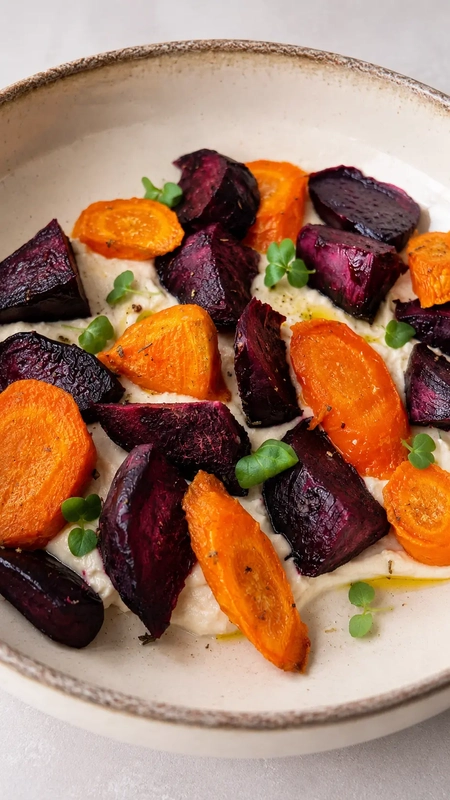
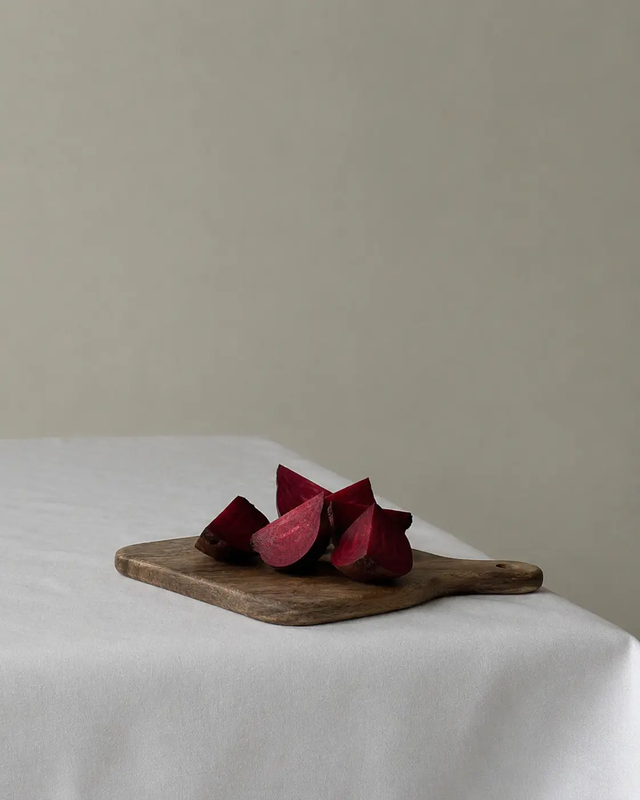
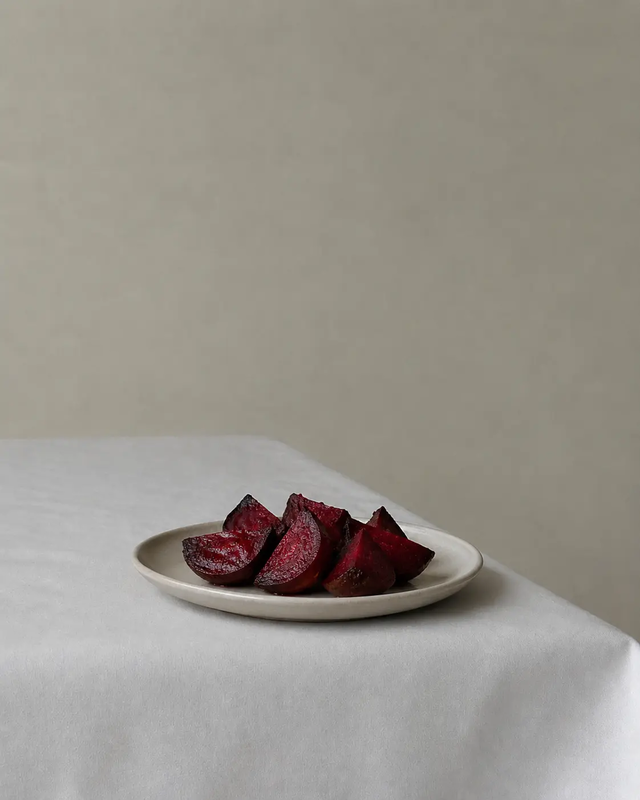
The other way to cook beetroot in the oven is to roast it, just as you would with potatoes. The goal here is different: a slightly crisp exterior, a soft interior, and a more intense, concentrated flavor.
Method
Peel the beetroot and rinse it. Preheat the oven to 180°C (350°F).
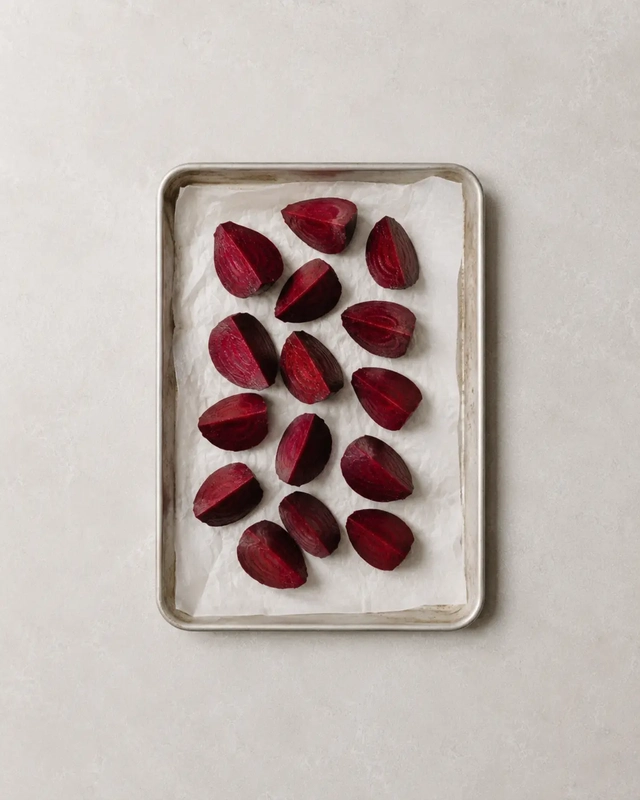
Cut the beetroot into wedges, just as you would with potatoes, then place them in a bowl. Add olive oil, salt, black pepper, thyme, rosemary, and garlic. Use your hands to massage the seasoning into the beetroot, making sure each piece is evenly coated.
Transfer the wedges onto a baking tray lined with parchment paper, spreading them out in a single layer. Bake for 25–35 minutes, depending on the size of the pieces, turning them halfway through to ensure even cooking. By the end of the cooking time, the beetroot should be tender inside, with lightly crisp and caramelized edges. The result is a roasted beetroot that has nothing to envy to roasted potatoes: rich, satisfying, and full of flavor.
Ideal for:
- Warm salads
- Side dishes, liked paired with a Vegan Schnitzel
- Roasted vegetable trays
- Grain bowls
- Sandwich fillings
- On Pasta Bowls
How to Cook Beetroot in an Air Fryer
Air frying beetroot is similar to oven roasting, but faster and with a slightly crispier result.
Method
Peel the beetroot and cut it into wedges or small cubes. Pat them dry well with a paper towel, this step is important to help achieve a crisp texture. Place them in a bowl and add olive oil, salt, pepper, and any herbs or spices you like. Mix well to coat evenly.
To achieve a better crust, don’t overcrowd the air fryer basket. Keep the pieces relatively small and evenly cut, and make sure they are well coated with oil. For extra crispiness, you can lightly dust them with a small amount of starch (like potato or cornstarch). Cook at 180°C (350°F) for about 15–20 minutes, shaking the basket halfway through. They should come out tender inside, with lightly crisp and golden edges.
Ideal for:
- Roasted-style preparations in less time
- Quick side dishes
- Bowls
- Snacks ( maybe paired with crispy chickpeas )
How to Cook Beetroot on the Stove
Boiling is one of the simplest ways to cook beetroot. It’s a gentle method that softens the texture while keeping the flavor more delicate compared to roasting.
It’s important to note that boiling is convenient in terms of time, but it may lead to some loss of nutrients, as part of them can leach into the cooking water. For this reason, oven cooking ( especially the foil-baked method) is often a better option when you want to preserve more of the beetroot’s natural qualities, including its flavor, texture, and nutritional value.
Method:
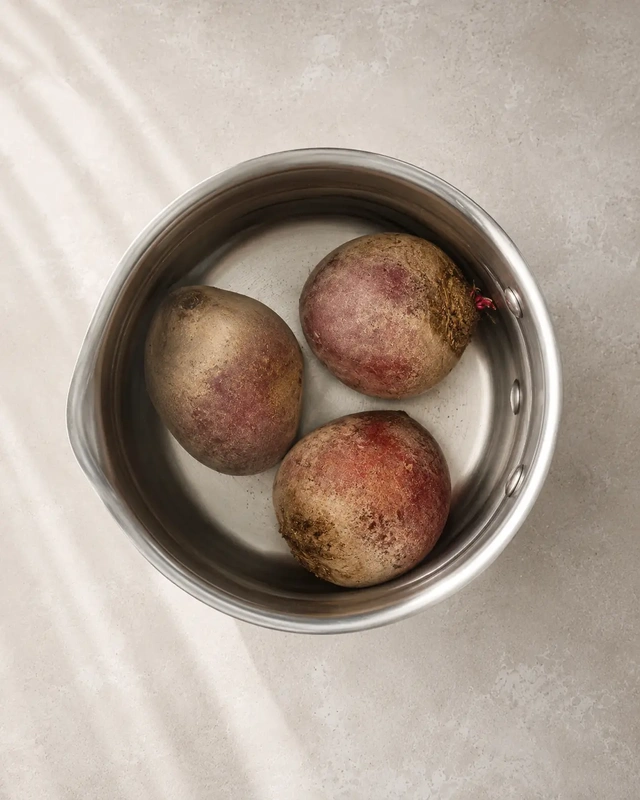
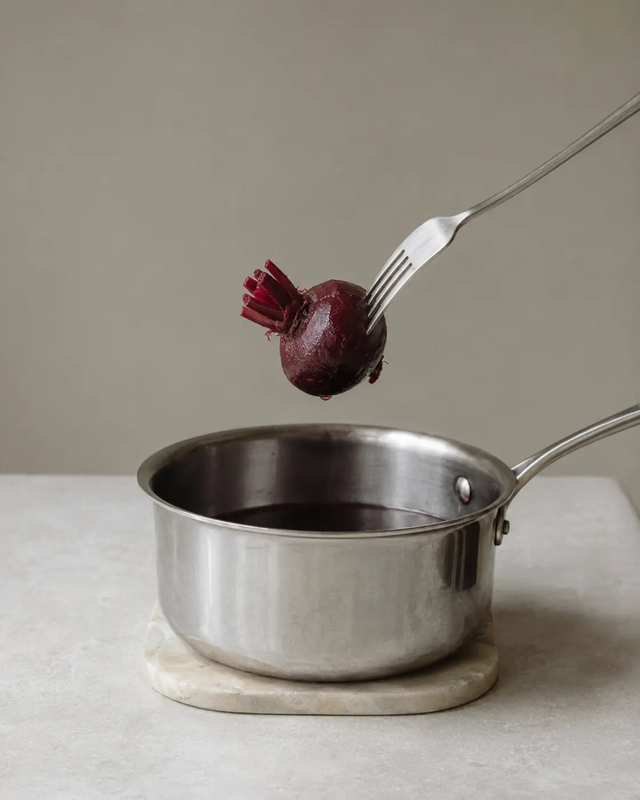
Wash the beetroot thoroughly and peel it ( or leave it unpeeled and you will do it later as i do). You can cook it whole or cut into pieces, depending on how you plan to use it. Place it in a pot and cover it with water. Bring to a boil, then reduce to a gentle simmer. Cook for about 30–40 minutes if whole, or 15–25 minutes if cut into smaller pieces. The beetroot is ready when it can be easily pierced with a knife.
Ideal for:
- Smooth purées
- Spreads and dips
- Light salads
- Juices or blended recipes
- Simple everyday meals
- Poke Bowls
How to Cook Beetroot by Steaming
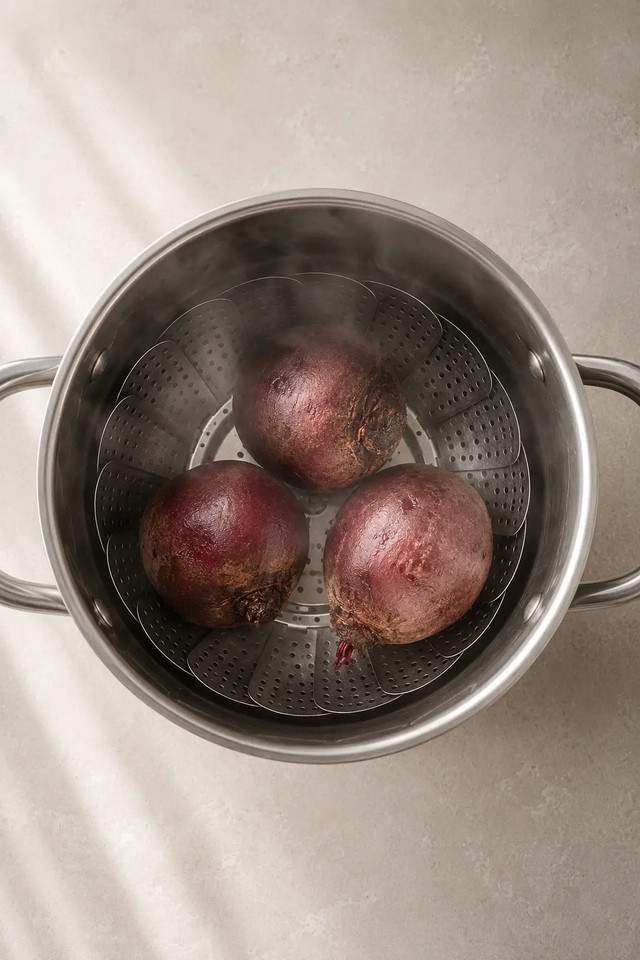
Steaming is one of the most healthy ways to cook beetroot. Unlike boiling, it allows the beetroot to cook without being in direct contact with water, helping preserve more of its color, flavor, and nutritional properties. The result is a beetroot that remains vibrant in color, slightly firmer, and more defined in both taste and texture.
Method
Wash the beetroot thoroughly and trim the ends if needed. You can steam it whole or cut into pieces, depending on your preference. Place the beetroot in a steamer basket over simmering water, making sure it doesn’t touch the water. Cover and steam for about 30–40 minutes if whole, or 15–25 minutes if cut into smaller pieces.
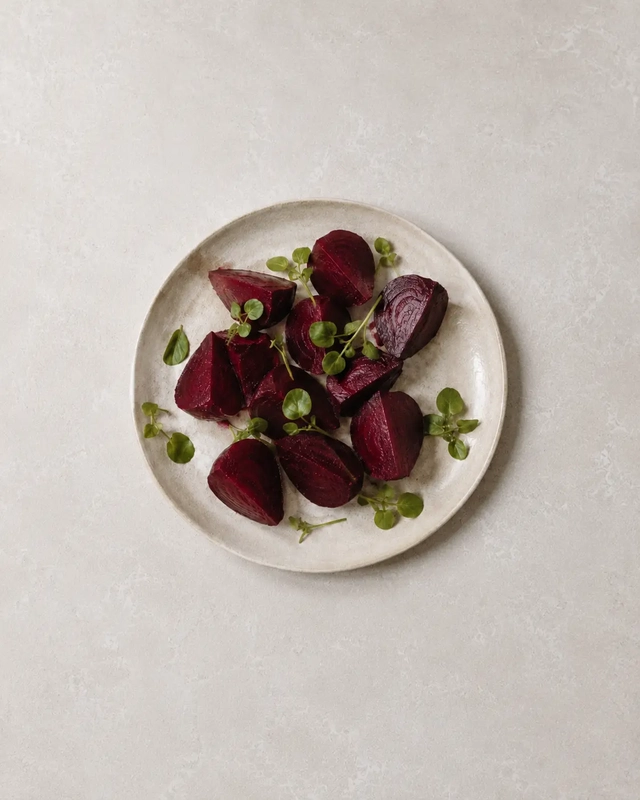
The beetroot is ready when it can be easily pierced with a knife. Once cooked, let it cool slightly. The skin will come off easily if you gently rub it with your hands or a paper towel. You can also use a knife to help you.
Ideal for:
- Salads
- Carpaccio
- Grain bowls
- Light, fresh dishes
- Recipes where color and structure matter
- Coupled with another side like sauteed zucchini
Beetroot Leaves: Don’t Waste Them!
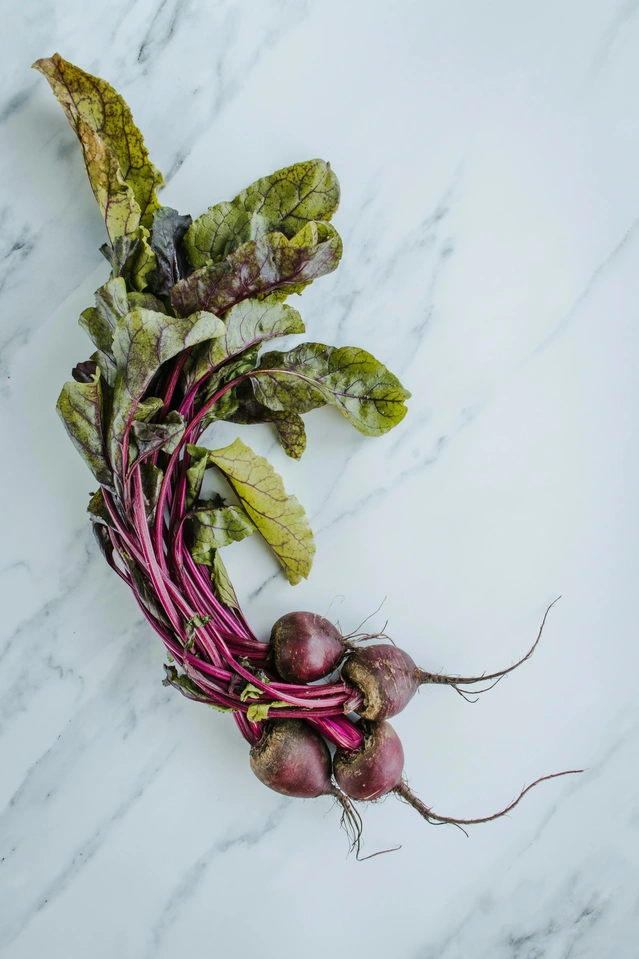
Beetroot leaves are often discarded, but they shouldn’t be! First of all, they are beautiful to look at and can be that final touch that elevates a dish visually, adding a natural and vibrant aesthetic.
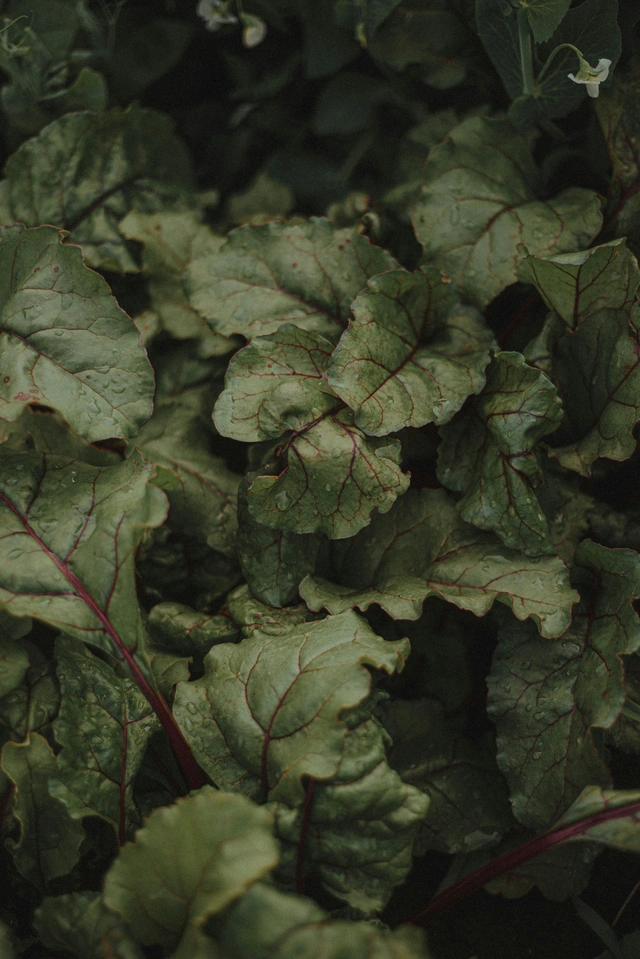
They are also completely edible, rich in nutrients, and surprisingly versatile in the kitchen. Their flavor is slightly earthy and green, similar to chard or spinach, and they can be used in many simple preparations. Using them is also a way to approach cooking more consciously, making the most of the whole ingredient.
How to Cook Beetroot Leaves
Separate the leaves from the stems and wash them thoroughly. If the stems are thick, chop them and cook them first in a pan with a drizzle of olive oil and garlic. After a few minutes, add the leaves and cook until wilted and tender. Finish with a pinch of salt and, if you like, a squeeze of lemon.
Pro Tip: For a more refined result, you can blanch the leaves beforehand by placing them in boiling water for about 1–2 minutes, then transferring them to cold water. This helps preserve their color and softens their flavor. After that, sauté the leaves in a pan until tender.
Other Ways to Use Beetroot Leaves
FAQ’s
Here are some of the most common questions about cooking and using beetroot. If you don’t find the answer you’re looking for, feel free to leave your question in the comments, we’ll be happy to help!
Yes, beetroot can be eaten raw. When raw, it has a firmer texture and a more pronounced earthy flavor compared to when it is cooked. It is often grated, thinly sliced, or used in salads and carpaccio-style preparations.
The fastest way to cook beetroot is by using an air fryer or by boiling it in small pieces. Cutting the beetroot into smaller cubes or thin slices significantly reduces the cooking time. In an air fryer, it can be ready in about 15–20 minutes, while boiling smaller pieces takes around 15–25 minutes. If you’re looking for speed, these methods are the most efficient. However, as you can read in our guide, slower cooking methods ( such as oven baking) tend to develop a deeper flavor and a more interesting texture.
There are many ways to enjoy cooked beetroot, its versatility is part of what makes it so interesting. It has a naturally earthy and distinctive flavor, which pairs well with both sweet and savory ingredients. It works beautifully with naturally sweet vegetables such as carrots, peppers, or pumpkin, creating balanced and harmonious combinations. At the same time, it also pairs well with more savory elements, adding depth and contrast to a dish. Cooked beetroot can also be enjoyed on its own, simply seasoned with a good olive oil, salt, and perhaps a touch of acidity ( like lemon or lime).
It can be blended into smooth purées or sauces and used in risottos, pasta dishes, or hummus. And when slightly sweetened, it can even be incorporated into desserts.
The process is the same, but a larger beetroot will require more cooking time. Whether you are baking, boiling, or steaming it, the key is to allow enough time for the heat to reach the center. You’ll know it’s ready when a knife can easily pierce through. If you want to speed up the cooking process, you can cut it into smaller pieces or by half. This will reduce the cooking time and help it cook more evenly.
LATEST POSTS
- Vegan Panna Cotta with Blueberry Coulis
- The Creamiest Tofu Chocolate Pudding
- Vegan Mushroom Risotto Recipe | Creamy & Dairy Free
- Lemon Carrot Cauliflower Soup: Creamy, Bright and Easy
- Chocolate Tofu Mousse with Silken Tofu