This article contains affiliate links. If you purchase through them, INUMAMI may earn a small commission at no extra cost to you. We only recommend what we genuinely use and trust and your support means the world to us.
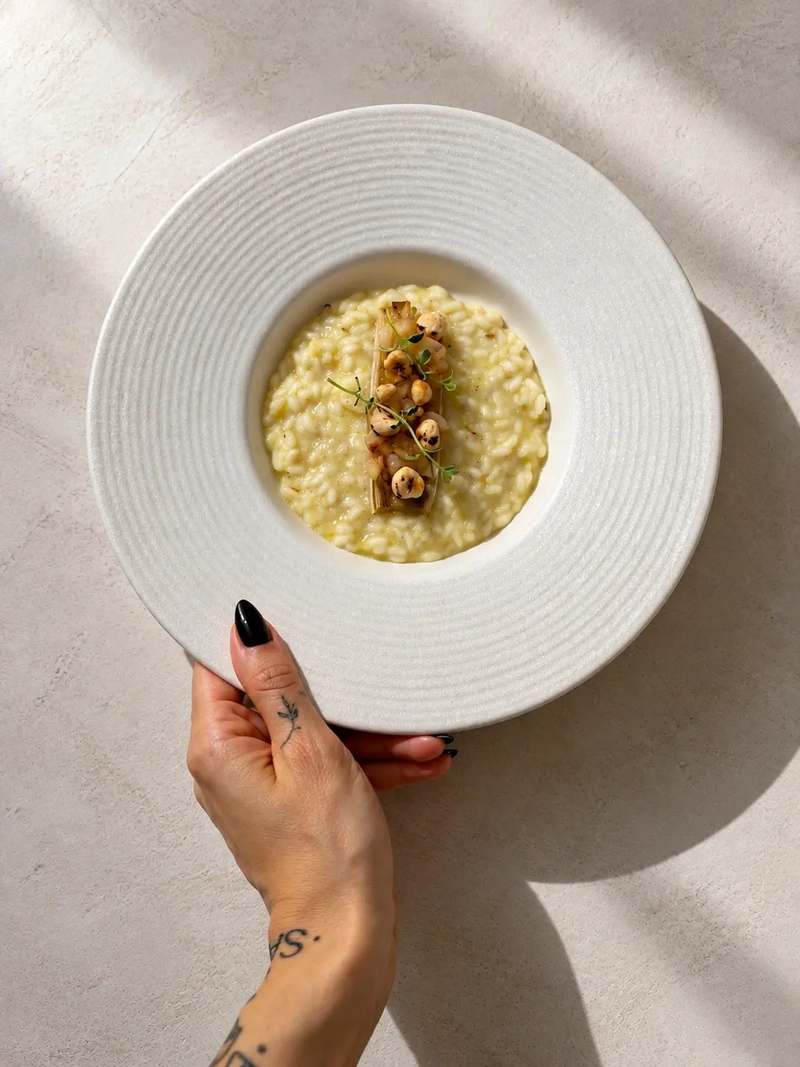
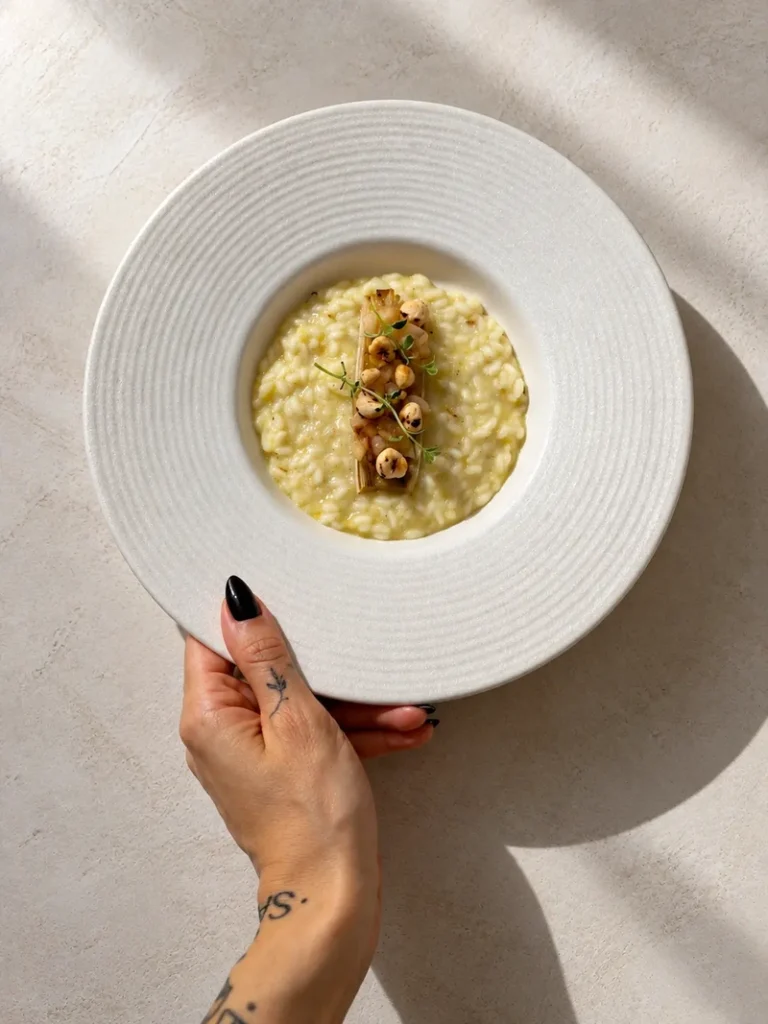
This Vegan Leek Risotto with Pear and Hazelnuts is creamy, savoury and slightly sweet, with toasted hazelnuts adding exactly the crunch it needs.
Leeks are one of my favourite ingredients for risotto because they become incredibly soft and almost buttery when cooked slowly. Here, their sweetness is paired with fresh pear, while toasted hazelnuts bring a deeper, nutty flavour and a completely different texture.
If you are still getting comfortable with risotto, I have also written a complete guide on how to make vegan risotto, where I explain everything from choosing the right rice to achieving that classic creamy texture without butter or Parmesan.
If you will have any leeks left over from this recipe, save them for a cosy soup such as my leek and potato soup.
Why You’ll Love This Vegan Leek Risotto
If you follow my recipe step by step, you’ll be able to make a risotto that will genuinely impress your guests ( and yourself). It has nothing to envy from the kind of risotto you’d order at a fancy restaurant. In fact, I’ll go one step further: it could easily belong in a Michelin starred one.
Beyond that, the flavour is rich and comforting, perfect for an autumn dinner, while still being interesting enough to feel like something more than the usual risotto.
Ingredients for Vegan Leek Risotto
You don’t need many ingredients to make this vegan leek risotto, but each one has a very specific role. The leeks create the sweet, savoury base, the pear adds freshness and a subtle sweetness, while toasted hazelnuts bring crunch and a deeper, nutty flavour.
Main Ingredients
These are the ingredients that really define the character of this vegan leek risotto. Each one brings something different to the final dish, from creaminess and sweetness to freshness and crunch.
- Risotto rice: The foundation of the recipe. A good risotto rice releases starch gradually as it cooks, creating that naturally creamy texture without the need for dairy. Carnaroli is my choice.
- Leeks: The main flavour base of the risotto. Cooked slowly, leeks become incredibly soft, sweet and almost buttery, giving the dish a delicate savoury depth without overpowering the other ingredients.
- Hazelnuts: Toasted hazelnuts add richness, nuttiness and, most importantly, texture. Their crunch creates a beautiful contrast with the softness of the risotto and makes the whole dish feel more complete.
- Pears: Pear might sound like an unusual addition to risotto, but it works beautifully with leeks and hazelnuts. It brings a subtle sweetness and freshness that lifts the dish without making it taste sweet. Choose ripe ones.
- Vegetable Broth: I usually make a simple homemade stock with whatever vegetables I have on hand, such as carrots, celery, onions and dried mushrooms. You can do the same, or keep things even simpler and use hot water mixed with a little miso or a good quality vegetable stock cube.
Risotto Pantry Essentials
These are the ingredients you will reach for again and again when making risotto. They are also genuinely useful staples in vegan cooking, so they are worth keeping in your pantry rather than buying only for this recipe.
Dry white wine: This adds acidity and helps balance the richness of the risotto. If you cook often, it is one of those ingredients that is useful well beyond risotto too.
Nutritional yeast: Perfect for adding a savoury, slightly cheesy flavour without dairy. Nutritional yeast is one of the most useful ingredients to keep in a vegan pantry.
Vegan butter: I use vegan butter for the final mantecatura, when the risotto is removed from the heat and stirred vigorously to make it extra creamy and glossy. You can also use a good quality plant based margarine, or simply finish the risotto with extra virgin olive oil if you prefer. If you want to know how to substitute butter in vegan cooking, I wrote a complete guide that you can consult all the time you need.
How to Make Vegan Leek Risotto Step by Step
If you simply want to cook the recipe, you can scroll down to the recipe card, where you’ll find all the ingredients, quantities and instructions in one place. Here, I want to go a little deeper into the process and share a few tips that make the difference between a good risotto and a really beautiful one.
Step 1: Prepare the Leek for Topping
Start with the leek that will be used to finish the dish, as this is the part that takes the longest to cook. Cut the leek in half, then cut each half again lengthwise so that you have long quarters. Heat a little olive oil in a pan over high heat and place the leek pieces cut side down. Cook until beautifully golden and caramelised on the surface.
Transfer them to an ovenproof dish, cover with aluminium foil and bake for around 30 minutes, until completely tender. Starting with this step means the leek can soften in the oven while you prepare the stock and cook the risotto.
Step 2: Prepare the Stock
Start by preparing your vegetable stock and keep it hot over low heat while you make the risotto. I usually make mine with whatever vegetables I have available, such as carrots, celery, onion and dried mushrooms. You can also use hot water mixed with a little miso or a good quality vegetable stock cube. The important thing is to keep the liquid hot throughout the cooking process so that you do not interrupt the cooking of the rice every time you add more.
Step 3: Cook the Leeks Slowly & Blend Them
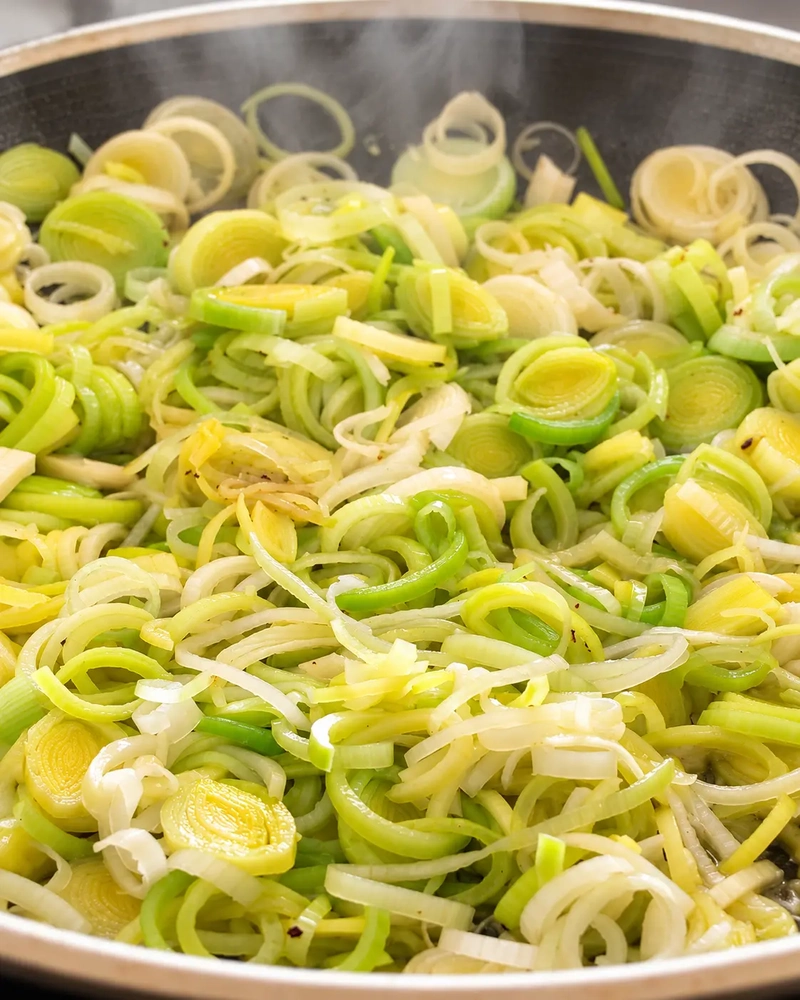
Slice the leeks finely and cook them gently with a little olive oil until completely soft. Do not rush this part. We want the leeks to become sweet, silky and almost melt into the risotto rather than remaining firm or taking on too much colour.
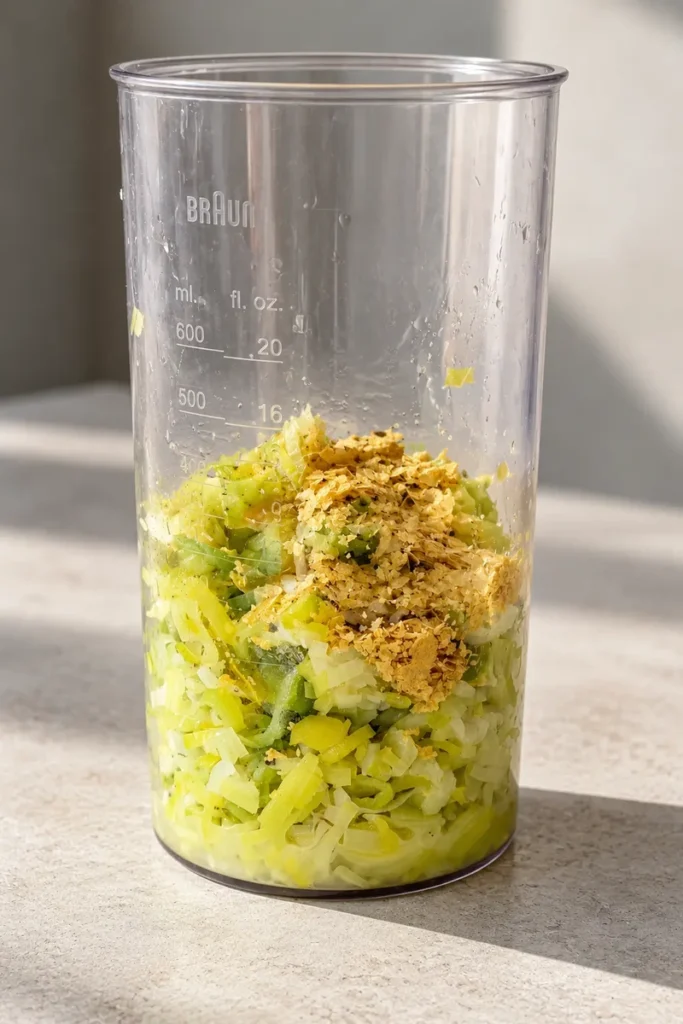
Once cooked, transfer them to a blender and add a little nutritional yeast, olive oil, salt and black pepper. Blend until smooth and creamy. This leek cream will become the flavour base of the risotto and will also help give it an even softer, more velvety texture.
Step 4: Toast the Hazelnuts
Toast the hazelnuts in a dry pan until fragrant and lightly golden. Allow them to cool slightly, then roughly cut them half. Toasting intensifies their flavour and gives them a much better crunch, which is exactly what we want against the creamy texture of the risotto.
Step 5: Toast the Rice
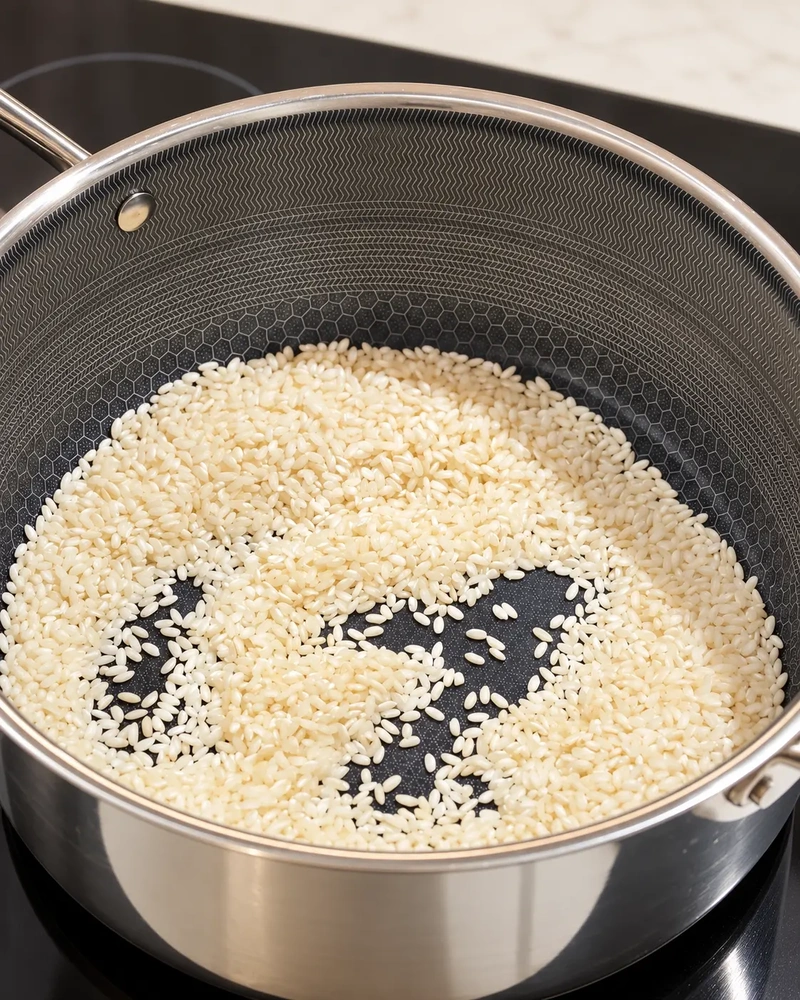
Add the risotto rice directly to the pan with the leeks and stir for a couple of minutes. This is the tostatura, one of the classic steps in making risotto. The grains should become hot and slightly translucent around the edges before you add any liquid.
Step 6: Add the White Wine
Pour in the dry white wine and let it cook until the alcohol has evaporated and most of the liquid has been absorbed. The wine adds acidity, which is particularly useful in this recipe because it balances the natural sweetness of both the leeks and the pear.
Step 7: Add the Stock Gradually
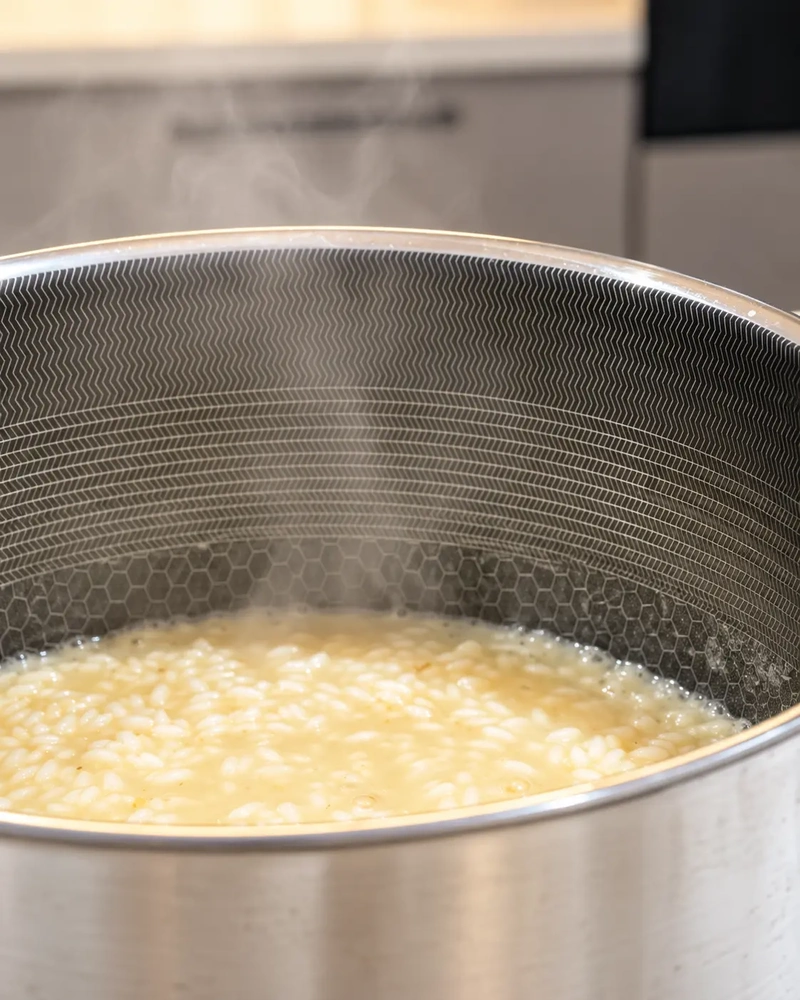
Begin adding the hot vegetable stock a little at a time, stirring regularly and waiting until most of the liquid has been absorbed before adding more. You do not need to stir the risotto constantly, but you do want to keep it moving regularly. This helps the rice release its starch and gradually creates that creamy texture.
Step 9: Check the Rice
Continue adding stock until the rice is cooked but still slightly firm in the centre. The risotto should remain fluid and creamy rather than becoming thick and compact. Remember that it will continue to thicken as soon as it leaves the heat, so it is always better to finish with a risotto that looks slightly looser than you think it should.
Step 8: Cook the Pear
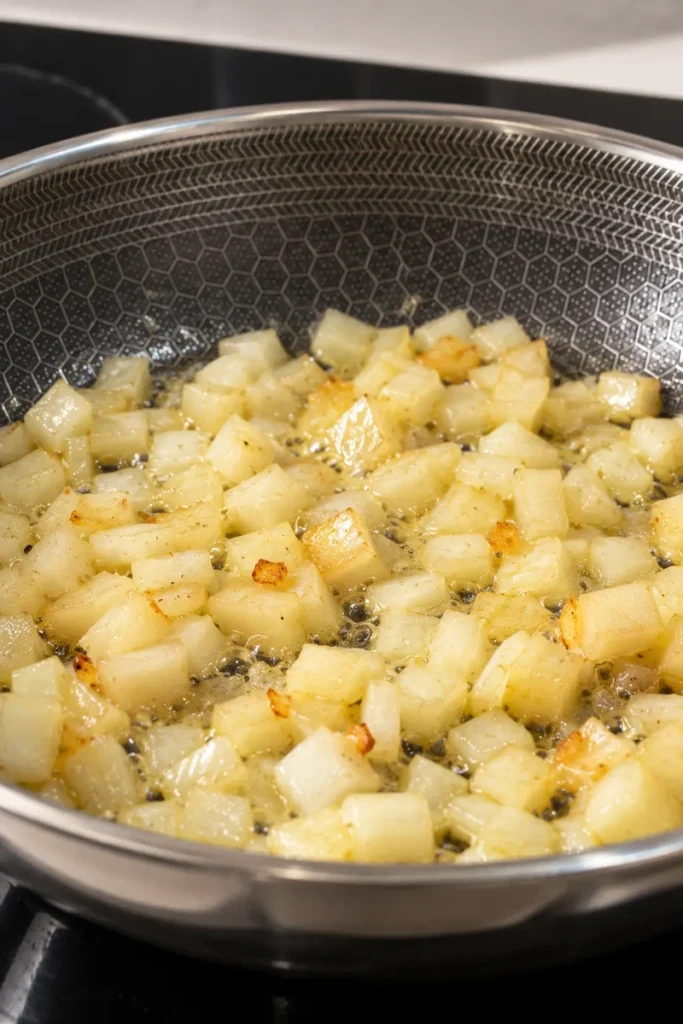
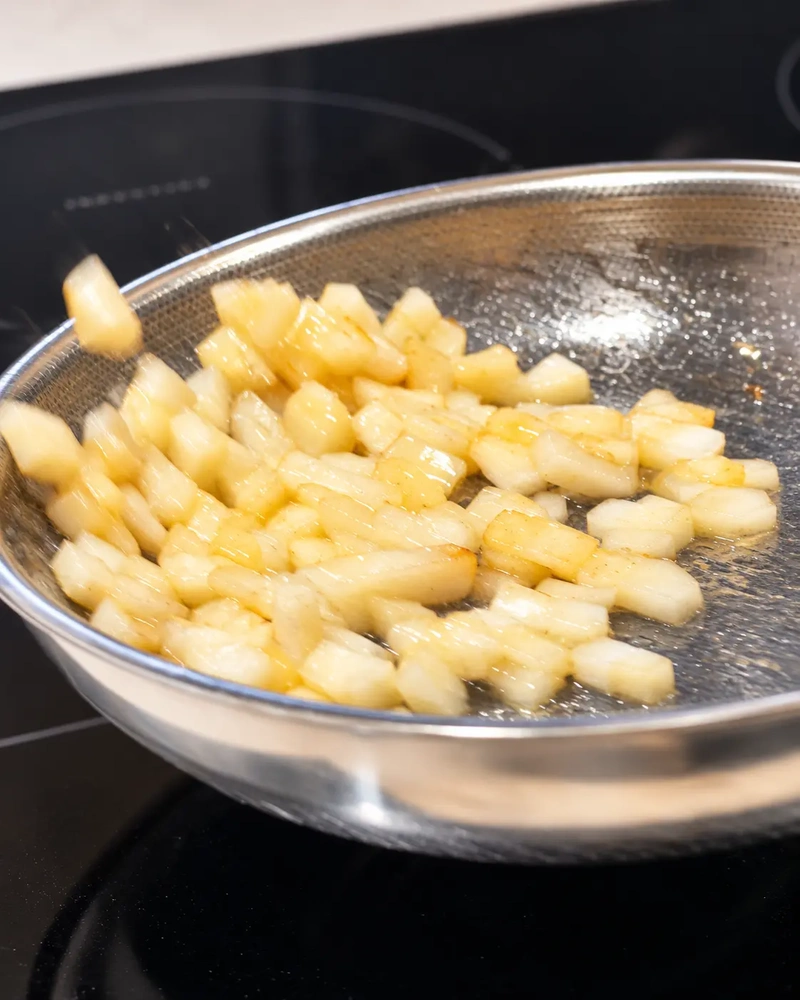
While the risotto is cooking, prepare the pear in a separate pan. Add a little vegan butter and olive oil, then cook the pear over medium to high heat until lightly golden and just softened. You want the pieces to develop a little colour while still keeping their shape. The pear should feel buttery and slightly caramelised, not mushy.
Step 9: Add the Leek Cream
When the risotto is about halfway through cooking, stir in the leek cream. Add it gradually and mix well so that it distributes evenly through the rice. At this stage, the risotto should start becoming noticeably creamier and take on a softer, more velvety texture. Continue adding the hot stock as needed and keep cooking until the rice is almost ready.
Step 10: Mantecare the Risotto
Once the risotto has reached around 14 to 16 minutes of cooking, check the texture of the rice. It should be almost ready, still slightly firm in the centre, and the risotto itself should remain loose and creamy.
Remove the pan from the heat before starting the mantecatura. Add the vegan butter and stir vigorously until it melts completely and emulsifies with the starch released by the rice. This is the stage that gives risotto its final glossy, creamy texture, so it is important not to do it over direct heat. Let the risotto rest for about a minute, then serve immediately while it is still fluid and creamy.
Step 11: Plate and Finish
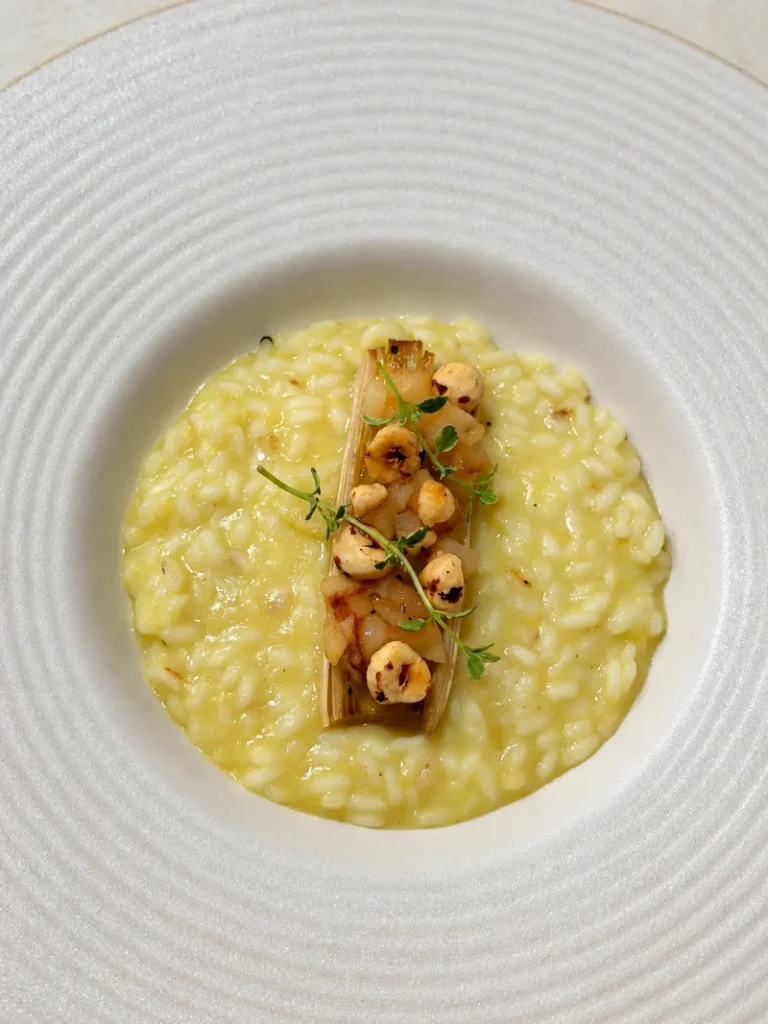
Spoon the risotto onto the plate while it is still creamy and fluid. Place one of the roasted leek pieces from the oven on top, then add the sautéed pear and finish with whole or halved toasted hazelnuts.
Add a couple of small lemon thyme leaves just before serving ( optional). They bring a subtle citrus note that cuts through the richness of the risotto and adds a little freshness to the final dish. Serve immediately.
Substitutions and Variations
This risotto is quite flexible, so there are a few ingredients you can swap depending on what you have available or the flavour profile you prefer.
- Leeks: If you do not have leeks, you can use shallots or a mild onion. The flavour will be slightly different, but you will still get a sweet, savoury base.
- Pears: Apples can work well in place of pears, especially a firm variety that holds its shape when cooked. Keep the pieces fairly small and avoid overcooking them.
- Hazelnuts: Walnuts, pecans or almonds are all good alternatives. Toast them first to bring out more flavour and keep the crunchy contrast.
- Vegan butter: You can use plant based margarine or extra virgin olive oil for the final mantecatura.
- Nutritional yeast: If you do not have nutritional yeast, you can simply leave it out. The leek cream will still work, though the flavour will be a little less savoury.
- White wine: You can omit it and use a little extra stock instead. A small squeeze of lemon at the end can help replace some of the acidity.
- Vegetable stock: Homemade stock is ideal, but hot water with miso or a good quality vegetable stock cube works perfectly well too.
- Lemon thyme: Regular thyme is the easiest substitute. If you still want that little burst of freshness, finish the dish with a touch of lemon zest.
Vegan Leek Risotto with Pear and Hazelnuts
Equipment
Ingredients
- 180 grams Carnaroli Rice
- 2 Leeks
- 700 ml Vegetable Broth
- 40 ml White Wine
- 1 tbsp Nutritional Yeast
- 20 grams Vegan butter
- 2 tbsp extra virgin olive oil
- To Taste Sea Salt
For the Toppings
- 1½ Leek
- 1 Pears
- 35 grams Hazelnuts
- 1 tsp Vegan butter
- 1 tsp extra virgin olive oil
- Few leaves Fresh Thyme
Instructions
- Prepare the roasted leek. Preheat the oven to 180°C. Cut the reserved half leek lengthwise into long pieces. Heat a little olive oil in an ovenproof pan over high heat and cook the leek cut side down until well browned. Cover with aluminium foil and transfer to the oven for about 30 minutes, or until completely tender.
- Prepare the stock. Keep the vegetable stock hot over low heat while you cook the risotto. I usually make a simple stock with vegetables such as carrot, celery, onion and dried mushrooms. Alternatively, use hot water with a little miso or a good quality vegetable stock cube.
- Toast the hazelnuts. Toast the hazelnuts in a dry pan until fragrant and lightly golden. Set aside. Leave them whole or cut them in half for serving.
- Make the leek cream. Heat a little olive oil in a pan and add the finely sliced leeks. Cook gently for about 12 to 15 minutes, until completely soft and sweet without browning too much.
- Transfer the cooked leeks to a blender. Add the nutritional yeast, a little olive oil, salt and black pepper. Blend until smooth and creamy. Set aside.
- Start the risotto. Add the rice to a wide pan and toast over medium heat for about 2 minutes, stirring frequently.
- Pour in the white wine and allow it to evaporate almost completely.
- Begin adding the hot vegetable stock, one ladle at a time. Stir regularly and allow most of the liquid to absorb before adding more.
- Add the leek cream. About halfway through cooking, stir the leek cream into the risotto. Continue gradually adding stock as needed.
- Cook the pear. While the risotto is cooking, cut the pear into small pieces. Heat the vegan butter and olive oil in a separate pan and sauté the pear over medium to high heat until lightly golden and just tender. Keep it slightly firm rather than cooking it until soft.
- When the risotto is almost ready, add part of the cooked pear and gently fold it through the rice. Reserve the most attractive pieces for serving.
- Mantecare the risotto. After approximately 14 to 16 minutes of cooking, taste the rice. It should be cooked but still slightly firm in the centre. Remove the pan from the heat.
- Add the vegan butter and stir vigorously until completely melted and emulsified. The risotto should be glossy, creamy and still quite fluid. Taste and adjust the salt and black pepper.
- Plate immediately. Spoon the risotto onto the plates and top each portion with a roasted leek piece. Add the remaining sautéed pear and the toasted whole or halved hazelnuts.
- Finish with a few small lemon thyme leaves for freshness and subtle acidity. Serve immediately.
Notes
Nutrition