This article contains affiliate links. If you purchase through them, INUMAMI may earn a small commission at no extra cost to you. We only recommend what we genuinely use and trust and your support means the world to us.
Being Italian, I couldn’t leave out a classic like pesto. This traditional Italian recipe has its roots in Northern Italy and is known for its simplicity and depth of flavor. In this version, we keep that essence while making it fully plant-based.
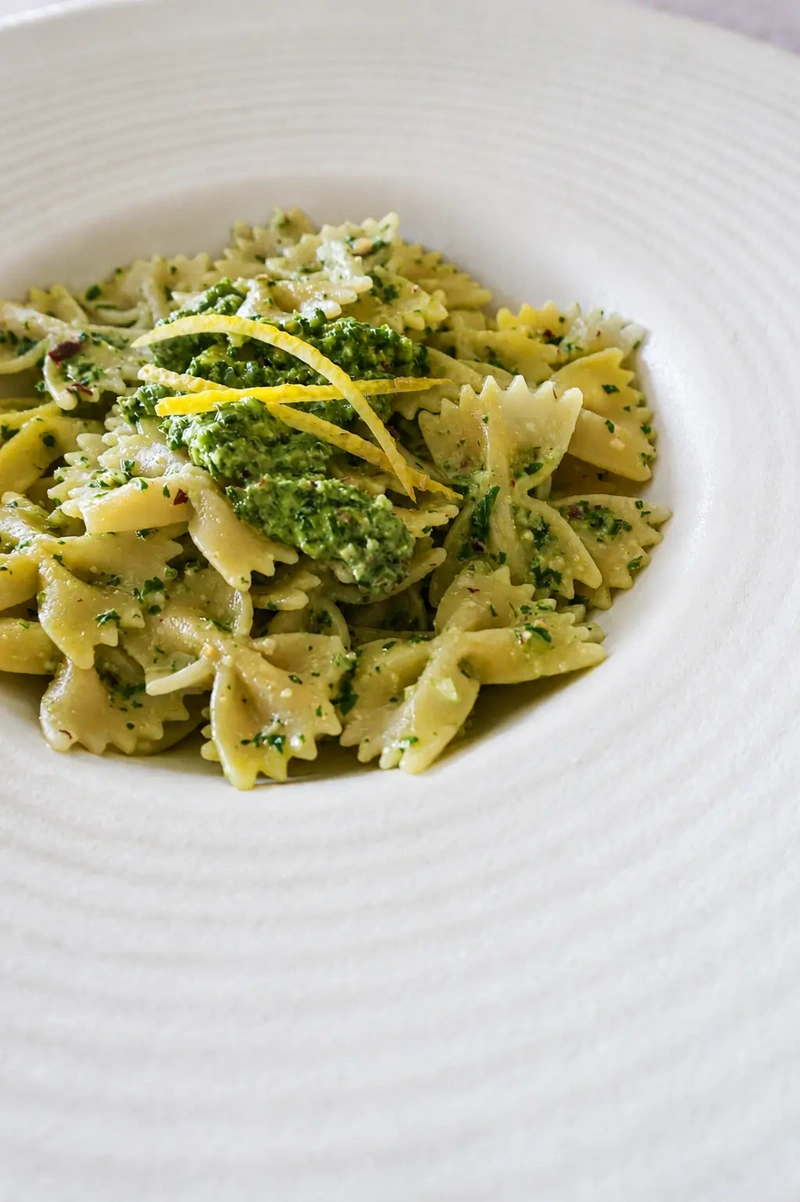
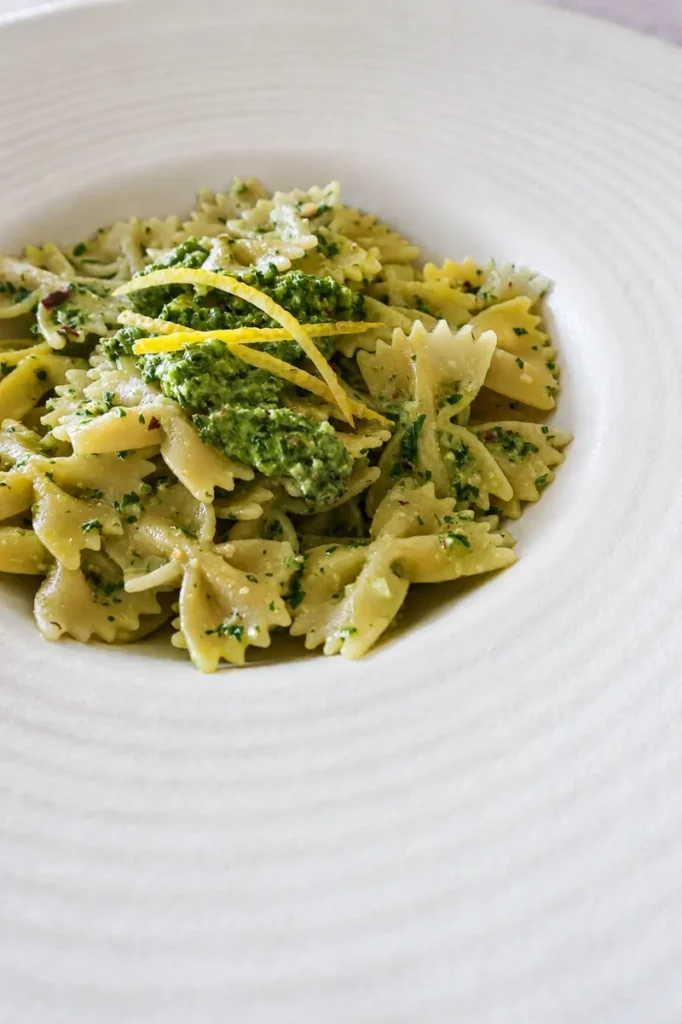
Vegan pesto has nothing to envy from the traditional one. The texture remains smooth, the flavor fresh and aromatic, and the result just as satisfying, most people won’t even notice the difference. At the same time, this vegan version is lighter and more balanced, made entirely plant-based and naturally gluten-free, while still delivering the richness and character that define a good pesto pasta.
In this recipe, you will learn how to prepare a vegan pesto pasta that stays true to its origins while offering a cleaner and more mindful approach.
Vegan Pesto Ingredients
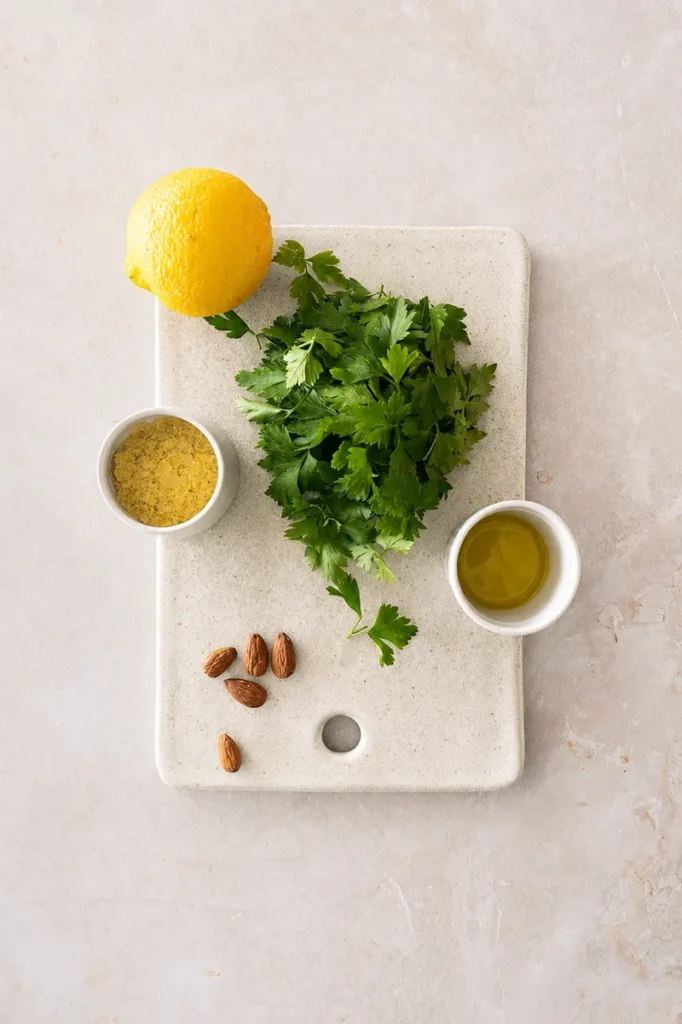
You will find the full recipe card below with exact measurements. Here, we focus on the ingredients and how they contribute to the final result. In this recipe, simplicity is key, each element plays a precise role in building flavor and texture.
Fresh Herbs
The star of traditional Italian pesto is basil, but parsley also works beautifully. In this version, I used fresh parsley, which gives the pesto a bright, clean, and slightly lighter flavor.
You can use basil, parsley, or a mix of both, depending on what you have available or the flavor you prefer. The method and measurements remain the same, but the final taste will shift slightly: basil will give you a more classic, aromatic pesto, while parsley creates a fresher and more delicate result.
Garlic
The second star of the dish is garlic. It should be fresh, and used with intention. Garlic brings depth and character, shaping the identity of the pesto alongside the basil. Used in the right amount, it enhances the overall flavor without overpowering the freshness of the herbs. The goal is not sharpness, but balance, where garlic adds structure and warmth to the sauce.
Olive Oil
Olive oil creates the base of the pesto. It gives the sauce its smooth texture and helps carry the flavor of the basil throughout the dish.
Nuts or Seeds
Traditionally, pesto is made with pine nuts. In this version, you can use pine nuts, almonds, walnuts or even seeds such as sunflower seeds. They add body, creaminess, and a subtle richness. Personally, I prefer using walnuts, they bring a deeper, slightly earthy flavor and create a creamier, more rounded texture. They also make the pesto feel a bit more structured, balancing the freshness of the basil with a subtle richness.
Lemon Juice
Lemon juice adds brightness. It balances the richness of the oil and helps keep the flavor clean and defined.
Nutritional Yeast
Nutritional yeast replaces the savory note of grated cheese. It adds a light umami depth, making the pesto feel more complete without using ingredients of animal origin.
Salt
Salt enhances all the elements and brings the pesto together.
How to Make Vegan Pesto Step by Step
You will find the full recipe card below with exact measurements and simplified instructions. Here, we focus on the process itself, so you can better understand how to build the pesto and bring everything together.
Step 1 – Bring the water to a boil
Start by bringing a large pot of salted water to a boil. This ensures the pasta is ready to be cooked while you prepare the pesto, allowing everything to come together smoothly.
Step 2 – Prepare the basil ( or Parsely)
Wash the herb gently and place it in the blender. Since the herb is the central ingredient, handling it carefully helps preserve both its freshness and its aroma.
Step 3 – Add the remaining ingredients
Add the garlic, walnuts, olive oil, lemon juice, salt, and nutritional yeast if using. At this stage, add a few tablespoons of cold water, or even a small ice cube. Blending generates heat, and too much heat can dull the color of the basil and affect its fresh flavor. Keeping the mixture cold helps preserve a brighter green color and a more vibrant taste.
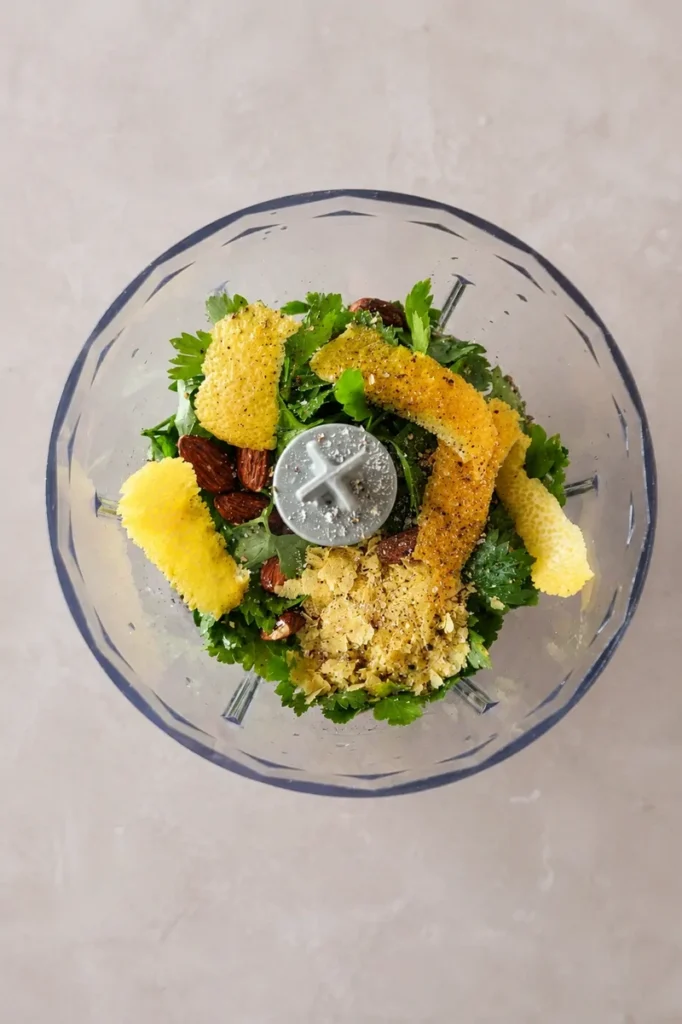
Step 4 – Blend
Blend until the pesto becomes creamy and well combined. It doesn’t need to be completely smooth. A slightly textured pesto often feels more natural and gives the dish more character.
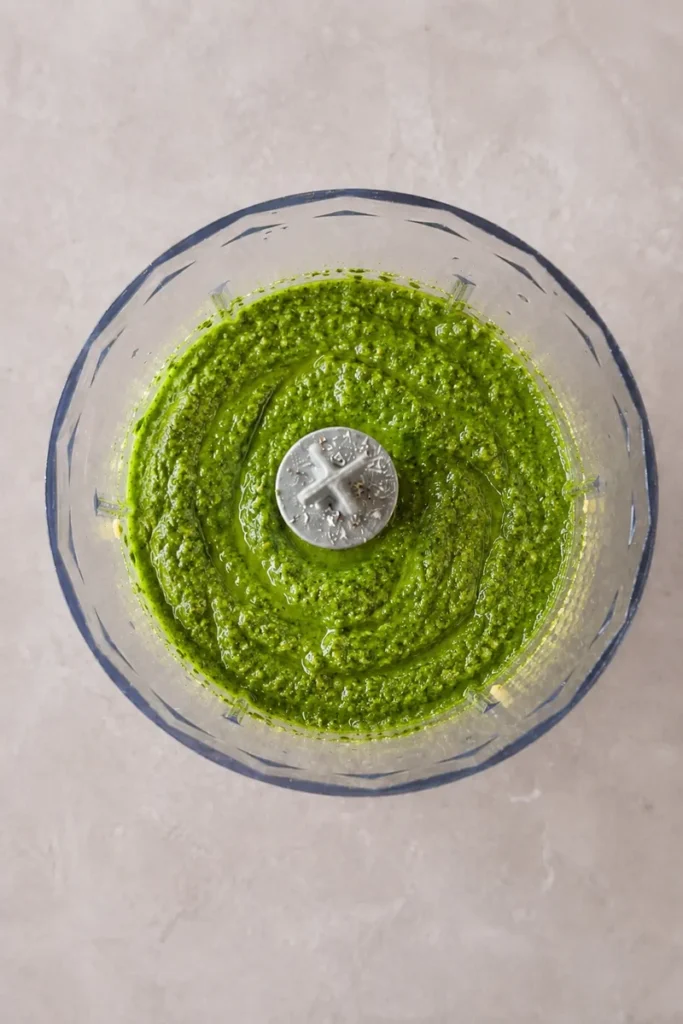
Step 5 – Combine the pesto and pasta
Cook the pasta in the boiling water until al dente, then drain it and transfer it to a bowl. The pesto should be added off the heat, not in the pan. Mixing it while the pasta is too hot can affect both the flavor and the color of the basil. Add the pesto to the warm pasta and gently mix. If needed, add a small amount of the reserved pasta water to loosen the sauce and help it coat the pasta more evenly. Once everything is well combined, serve immediately.
Step 6 – Add toppings and serve
Once the pasta is well combined with the pesto, it can be served as it is, simple and balanced. You can finish it with a few fresh basil leaves, lemon and a light sprinkle of nutritional yeast for an extra savory note. For more texture, you can add toasted walnuts or other nuts, roughly chopped, to bring a subtle crunch.
If you prefer a slightly more structured and flavorful dish, you can also serve it with confit cherry tomatoes on top. Their sweetness and softness pair beautifully with the freshness of the pesto, adding depth and contrast.
FAQs
Here you will find answers to some of the most common questions about vegan pesto pasta, from ingredients and preparation to variations and serving ideas. If you don’t find the answer you’re looking for, feel free to leave your question in the comments. We’re always happy to help.
Pesto pasta pairs well with vegetables that complement its fresh and aromatic flavor. Light and slightly sweet vegetables such as cherry tomatoes, zucchini, or peas work particularly well, as they enhance the freshness without overpowering the basil. You can also add more structured vegetables like roasted eggplant or grilled peppers if you want a deeper and more complex flavor. The key is to choose vegetables that balance the richness of the pesto while maintaining a sense of lightness.
Yes, pesto can be prepared in advance. Store it in the fridge in an airtight container for up to 3–4 days. To preserve its color and freshness, you can add a thin layer of olive oil on top before closing the container.
Traditional pesto is not vegan, as it usually contains cheese. However, it can easily be made vegan by replacing cheese with ingredients like nutritional yeast or simply focusing on high-quality herbs, nuts, and olive oil, as in this recipe.
Of course. Vegan pesto is a very versatile sauce and can be used in many different ways beyond pasta. It works well in sandwiches and wraps, adding a fresh and aromatic layer. It can also be used as a dressing for salads or grain bowls, or mixed into rice for a simple and flavorful dish. You can even use it as a base for roasted vegetables or as a spread, making it a practical ingredient to keep on hand.
Vegan Pesto Pasta
Ingredients
- 12 oz Gluten Free Pasta You can use any type of Pasta
- 2 cups Fresh Basil Leaves Or Fresh Parsely
- ½ cup Walnuts You can use any type of nut
- ⅓ cup Extra Virgin Olive Oil
- 2 tbsp Nutritional Yeast
- 1 Clove Garlic, Small
- 1 tbsp Lemon Juice
- ½ tbsp Salt or To Taste
- 2–4 tbsp Cold Water or Ice Cubes
Instructions
- Bring a large pot of salted water to a boil. Cook the pasta until al dente according to the package instructions.
- While the pasta cooks, add the basil ( or parsely), walnuts, olive oil, nutritional yeast, garlic, lemon juice, salt, and 2 tablespoons of cold water to a blender or food processor.
- Blend until creamy but still slightly textured. Add more cold water, 1 tablespoon at a time, if needed to loosen the pesto.
- Before draining the pasta, reserve a little pasta cooking water.
- Drain the pasta and transfer it to a large mixing bowl.
- Add the pesto to the warm pasta off the heat and mix gently. If needed, add a small amount of reserved pasta water to help the sauce coat the pasta evenly.
- Serve immediately with fresh basil, chopped toasted walnuts, extra nutritional yeast, or confit cherry tomatoes if desired.
Notes
Store the vegan pesto separately in an airtight container in the refrigerator for up to 3–4 days. To help preserve its color and freshness, cover the surface with a thin layer of olive oil before closing the container. If the pasta is already mixed with the pesto, store it in an airtight container in the refrigerator for up to 1–2 days. Reheat it gently in a pan the next day with a splash of water or plant-based milk to loosen the sauce and restore the texture. Nutrition Note:
The nutritional information is an estimate and may vary depending on the exact pasta, oil, walnuts, toppings, and quantities used. For the most accurate result, adjust the calculation based on the specific products and amounts you choose. Recipe Testing Note:
All recipes on this site, including this vegan pesto pasta, are tested before publication. The photos are original and taken during the actual recipe testing process, so they reflect the real final dish prepared in our kitchen. Substitutions Note:
If you’d like to try ingredient substitutions or different variations, you can find all the suggested options in the sections above the recipe card.
Nutrition