How TO COOK vegan ingredients
VEGAN - GLUTEN FREE - REFINED SUGAR FREE
Vegan cooking techniques, guides, and ingredient foundations.
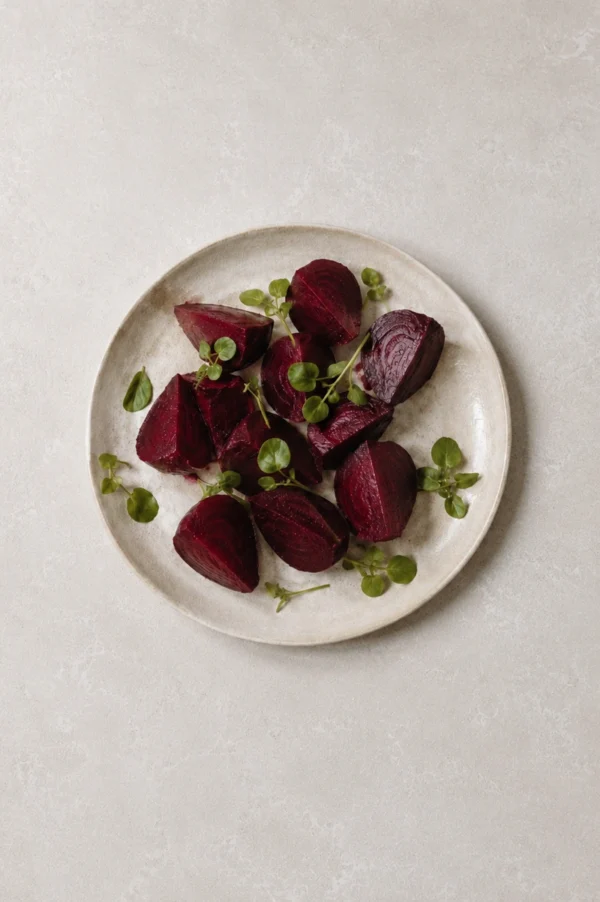
This collection is designed to explore the techniques, ingredients, and methods that make plant-based cooking truly expressive, balanced, and satisfying. Learning how to cook vegan ingredients properly means understanding how to bring out their texture, aroma, and depth. Whether you are learning how to cook beetroots, lentils, mushrooms, vegetables, soups, or foundational vegan staples, these guides are created to help you approach ingredients with more awareness and confidence.
TECHNIQUE IS WHERE INGREDIENTS COME ALIVE
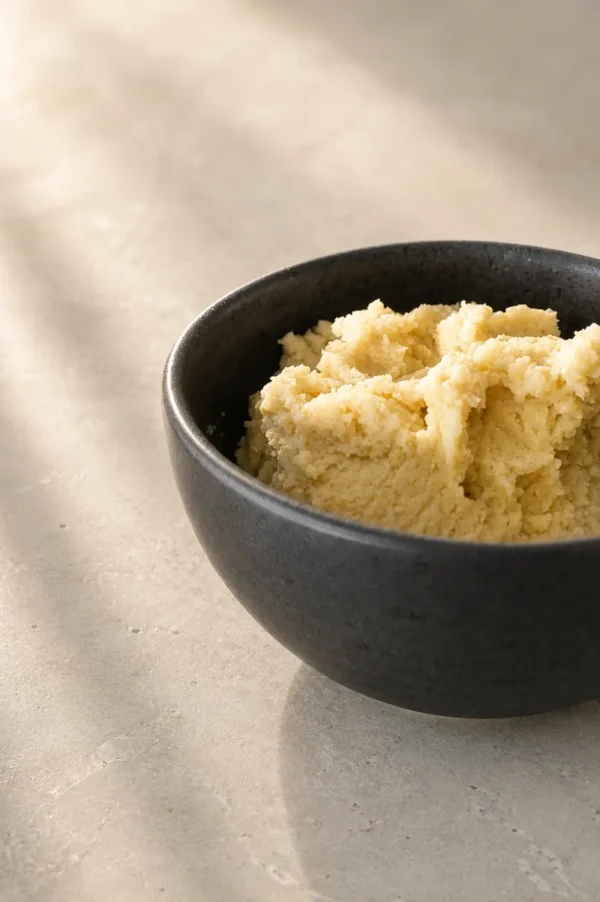
Cooking or preparing an ingredient in the right way means valuing it, giving it time, understanding how it changes through heat, texture, and seasoning while still allowing it to remain connected to its original purity. From simple cooking methods to more detailed guides, this collection explores how technique can completely transform the way we experience plant-based food, making vegan cooking more intuitive, flavorful, and deeply nourishing.
A Note From The Kitchen
Learning how to cook an ingredient
is learning how to truly see it.
is learning how to truly see it.
What are the best vegan cooking techniques?
Plant-based cooking becomes truly expressive when you understand how each ingredient responds to heat, time, and seasoning. Some of the most important vegan cooking techniques include roasting to develop depth and caramelization, sautéing to build flavor through browning, slow cooking to soften legumes and root vegetables, steaming to preserve texture and nutrition, and marinating to add layers of umami and complexity. The more you understand how an ingredient behaves through cooking, the more naturally creativity follows.
Does knowing how to cook vegan protein sources make a difference?
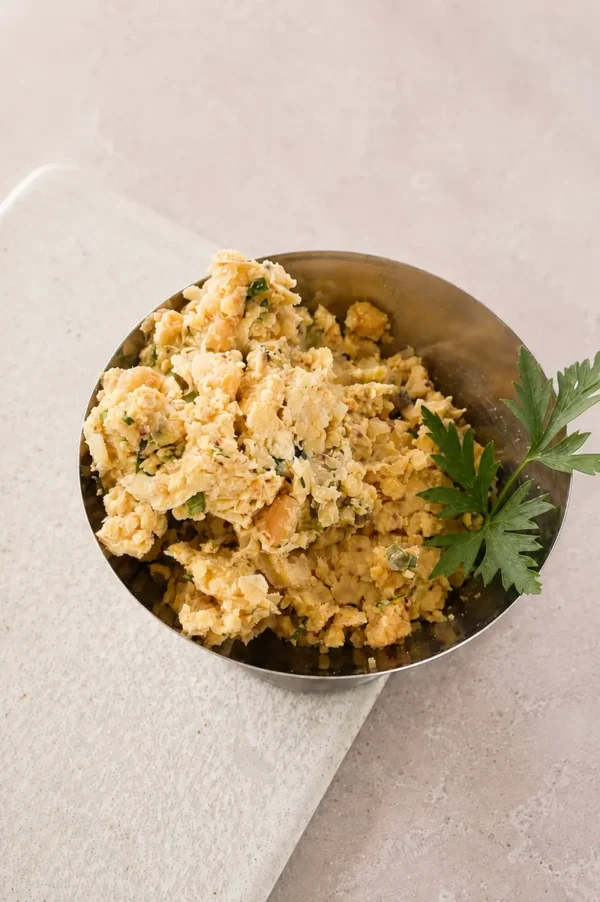
Absolutely. Vegan protein sources like tofu, tempeh, lentils, chickpeas, and edamame each behave very differently in the kitchen, and cooking them correctly is what makes the difference between a flat, uninspiring dish and something truly satisfying. Tofu needs the right preparation to develop texture and absorb flavor. Tempeh benefits from steaming before marinating. Lentils require attention to timing and seasoning. Understanding how each vegan protein source responds to heat, moisture, and seasoning is one of the most valuable skills in plant-based cooking
How do I build depth of flavor in plant-based cooking?
Building depth of flavor in plant-based cooking comes down to choosing the right cooking method for each ingredient. Roasting caramelizes natural sugars and creates complexity. Sautéing builds flavor through browning. Slow cooking allows legumes and root vegetables to develop richness over time. Steaming preserves the natural character of delicate ingredients. Each method brings out something different, and understanding when to use which technique is what transforms simple plant-based ingredients into deeply satisfying dishes.
Where should a beginner start with plant-based cooking techniques?
The best starting point is always a single ingredient. Rather than trying to master everything at once, picking one ingredient at a time, like beetroot, tempeh, lentils, or mushrooms, and learning how to cook it properly builds confidence naturally. A simple guide on how to cook tempeh or how to cook beetroot teaches you not only the technique itself, but also how that ingredient changes through heat, how its texture shifts, how its flavor develops, and what it pairs well with. Experimenting one ingredient at a time is one of the most effective ways to build a solid foundation in plant-based cooking.
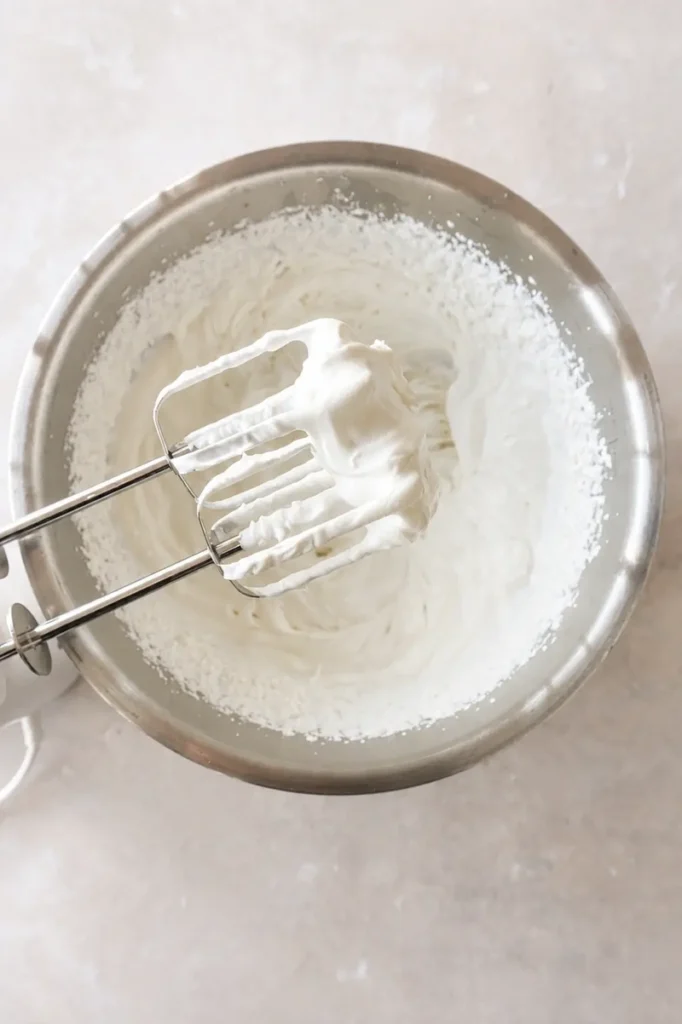
INUMAMI KITCHEN SHOPPING SUGGESTIONS
THINGS WE USE, LOVE & RECOMMEND
A good kitchen is built slowly, through the objects we reach for again and again. Here you’ll find a curated selection of tools and ingredients used, tested, and loved in the INUMAMI kitchen: the quiet essentials that make cooking feel more intuitive, precise, and pleasurable. Because the right tools do not replace creativity, but they support it. They help a recipe move with more ease, giving space to what matters most: flavor, texture, care, and the simple beauty of preparing food well.
Tools
Kitchen
Pantry
Staples
Have you personally tested the tools you recommend?
Yes. I only recommend products and tools that I personally use and trust, or that I know to be high-quality. You will often find them mentioned directly in the recipes, so you can see exactly how they are used and when they can make a difference.
I’m not sure if I need a specific tool. Can you help me choose?
Of course. If you are unsure whether a specific tool, ingredient, or kitchen essential is right for you, you can send me a message through the contact form. I’ll do my best to help you understand what you actually need, when it may be useful, and whether there is a simpler alternative you can start with.
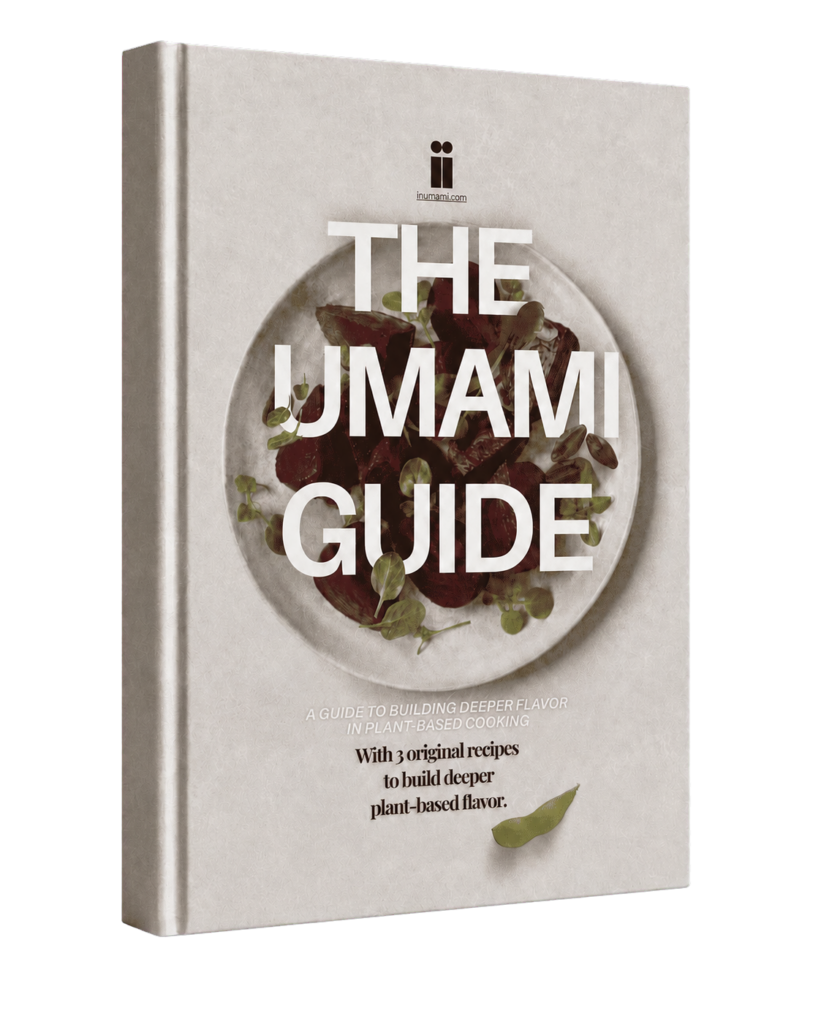
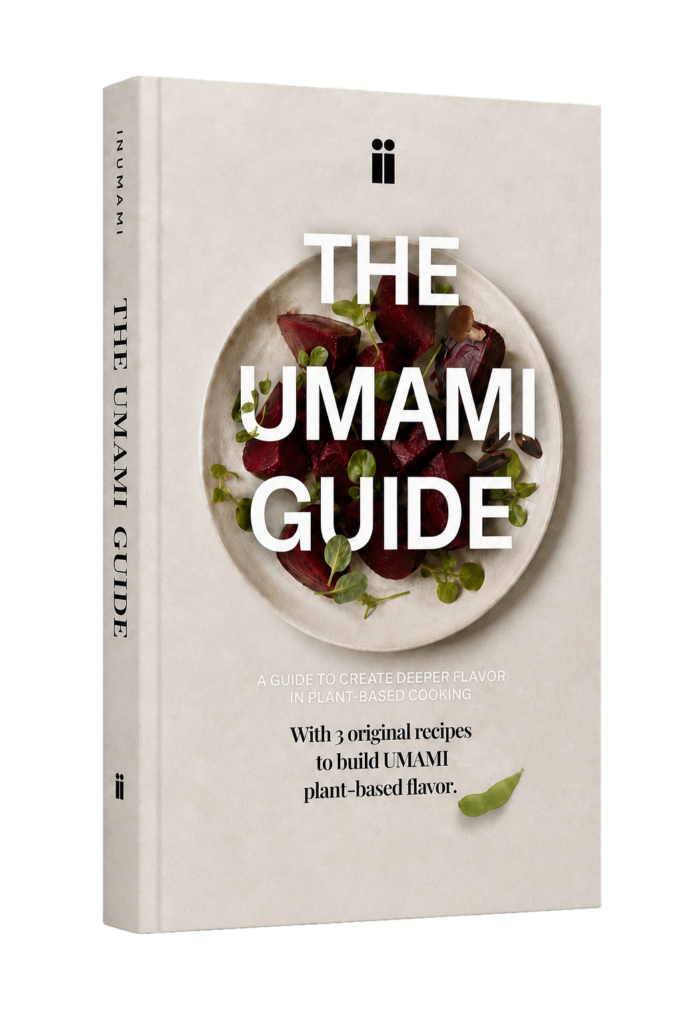
THE UMAMI GUIDE
A guide to building deeper flavor in plant-based cooking, with 3 original recipes to help you cook with more depth, balance and intention.
Newsletter
Signup for news and special offers!
Thank you!
Thank you! Check your inbox to receive The Umami Guide.
Free Ebook