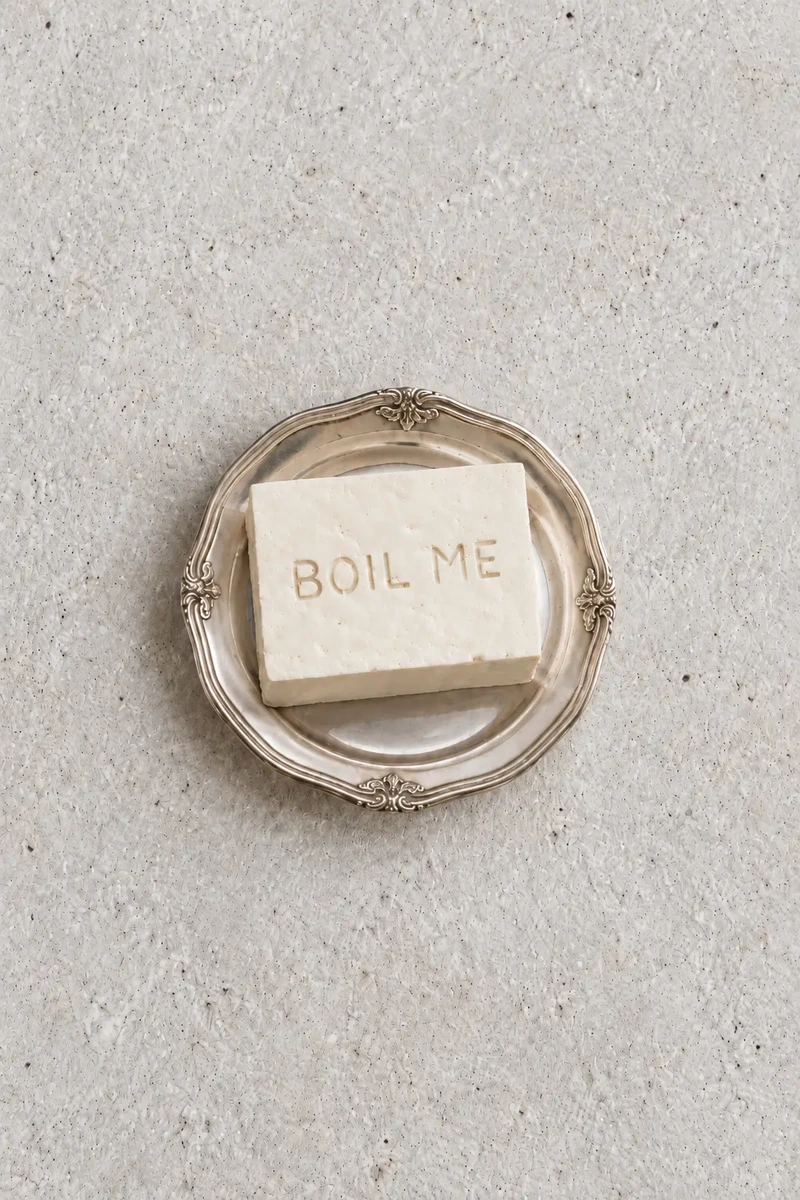
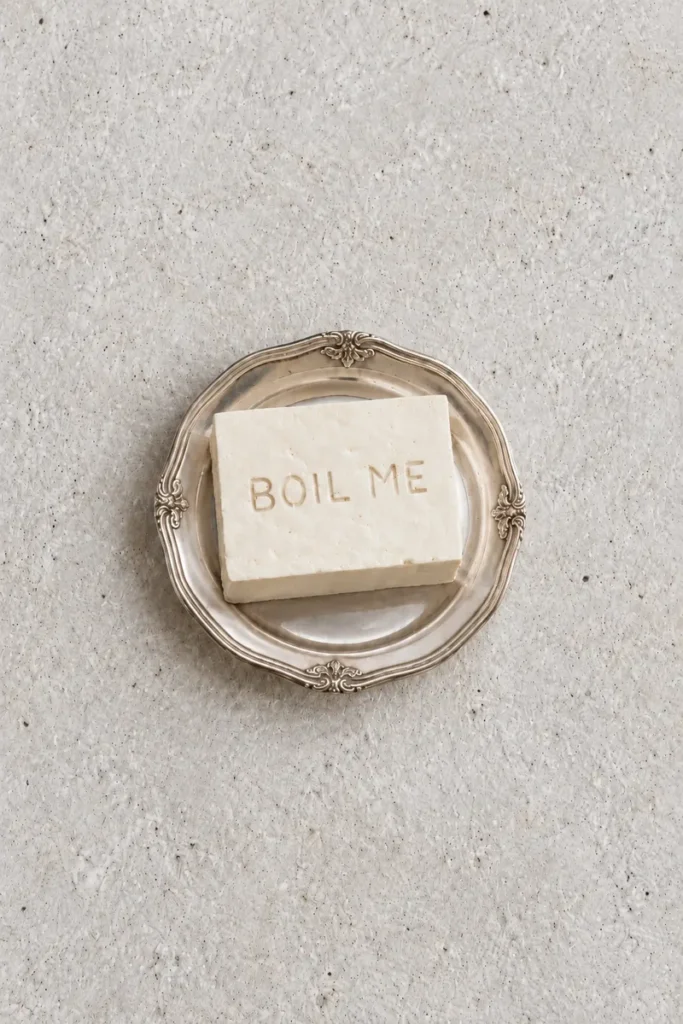
Yes, you can boil your tofu. Briefly simmering tofu in salted water can season it, draw moisture from the surface and change its texture, particularly if you plan to fry or cook it afterwards.
I think boiling tofu, just like freezing it or marinating it, is one of those steps that we vegans, and anyone who regularly cooks with this incredibly versatile ingredient, tend to discover a little later. It usually comes at that stage when you have become so familiar with the world of tofu that you are ready to try absolutely everything.
For years, I was convinced that boiling tofu would simply make it fall apart into crumbs and fill it with even more water. I was wrong. As counterintuitive as it sounds, boiling tofu can actually help remove some of its water through osmosis while also improving its texture and structure.
In this guide, I will take you through everything you need to know about boiling tofu, why the technique works, how to do it properly, and how to use boiled tofu in the best possible way.
Can You Boil Tofu?
Yes, tofu can absolutely be boiled. No, it is not necessary, and you do not boil tofu because it needs to be cooked before eating. Tofu has already been cooked during production and is ready to eat straight from the package.
In fact, for some preparations, using tofu without cooking it is actually preferable. Think of chocolate mousse, for example, where silken tofu can simply be blended with the other ingredients without any additional preparation. The same applies to desserts such as chocolate pudding.
But the fact that tofu does not need to be boiled does not mean that boiling it is pointless. Quite the opposite. Boiling tofu can be a very useful preparation technique, particularly when you want to change its texture, remove some excess moisture, season it more deeply, or prepare it for another cooking method.
Why Boil Tofu?
Boiling tofu may sound counterintuitive. If tofu already contains a lot of water, why would you put it into even more water?
The first thing to know, or remember, is that tofu contains a lot of water. This means that if we want to transform it into something flavorful through techniques such as marinating or through cooking, we first need to remove as much excess moisture as possible.
The most common method is pressing. It is also one of the slowest methods and usually requires some kind of equipment, such as a tofu press, although a stack of heavy books can work too. Since not everyone has a tofu press at home, I have also written a complete guide on how to press tofu without a tofu press.
One of the main reasons why boiling tofu can be useful is therefore very simple: it helps remove some of its excess moisture before the next stage of cooking.
How Does Boiling Tofu Remove Water?
Here we need to get slightly technical, but as always, understanding what is happening inside an ingredient gives us much more freedom to decide how and why we use a particular technique. So I will keep this as short and clear as possible.
When tofu is placed in salted water, there is a difference in salt concentration between the water surrounding the tofu and the water held inside its protein structure. In simple terms, water naturally tends to move in response to differences in concentration. This principle is closely related to osmosis, where water moves from an area with a lower concentration of dissolved substances toward an area with a higher concentration.
With tofu, the process is a little more complex because tofu is not simply a membrane filled with water. It is a network of coagulated soy proteins that traps a considerable amount of moisture. The hot salted water affects this network in two ways. The salt changes the environment surrounding the tofu, encouraging movement of water and dissolved substances, while the heat changes the protein structure and the way it holds onto moisture.
Once the tofu is removed from the hot water, drained and allowed to steam dry, some of that moisture leaves the surface. This is why putting tofu into water can, rather surprisingly, help you end up with tofu that is drier and better prepared for the next stage of cooking. Easy Peasy!
Boiling Tofu and Texture
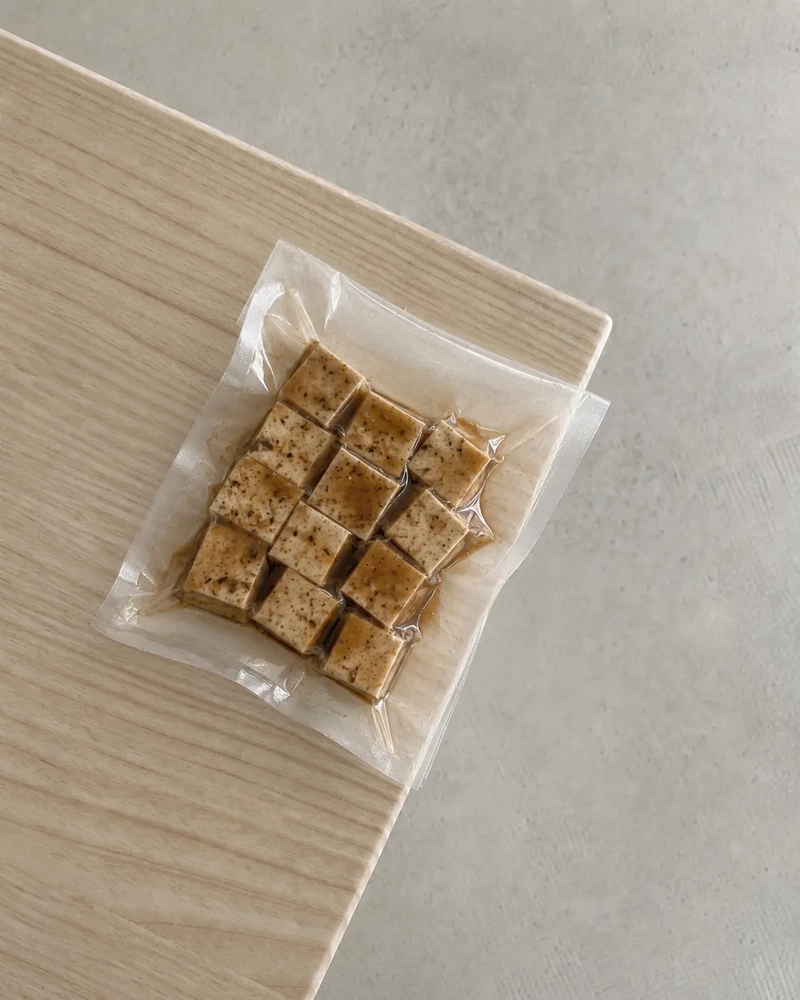
Boiling tofu does not only help remove excess liquid. As a consequence, it can also improve its structure and texture, making it firmer, more compact and easier to handle during the next stage of cooking.
There are many reasons why we may want to change the texture of tofu, and they all depend on the final result we are trying to achieve. If we are making tofu scramble, for example, where the tofu needs to be crumbled and remain relatively soft, we do not need to create a particularly firm texture.
If, on the other hand, we want tofu that is crispy on the outside and more substantial and meaty on the inside, perhaps to recreate the texture of small pieces of meat, we need the tofu to become firmer, denser and better able to hold its shape during cooking.
As the tofu loses some of the water trapped within its structure, it naturally becomes less soft and watery. With less moisture separating the proteins, the texture begins to feel denser and more substantial.
Once the tofu is removed from the water and drained, another useful change happens at the surface. Moisture evaporates as the tofu cools and steam escapes, leaving the exterior drier than it was before. This is particularly useful if the tofu is going to be pan fried or baked, because a drier surface can brown and crisp much more effectively.
How to Boil Tofu and How Long to Boil It
Boiling tofu is very simple, but the exact method depends slightly on what you want to do with it afterwards. If the goal is to remove some excess moisture, improve the texture and prepare the tofu for frying or baking, I recommend using firm or extra firm tofu and salted water.
How to Boil Tofu, Step By Step
Start by cutting the tofu into the shape you want to use later. Cubes, slices and small rectangular pieces all work well. Keeping the pieces relatively even will help them heat at the same rate.
Bring a pot of water to a boil and add salt. Carefully lower the tofu into the water, then reduce the heat slightly so that the water remains at a gentle simmer rather than an aggressive rolling boil. This is particularly important because tofu can become more fragile when handled in hot water. You want enough heat to affect its structure, but not so much movement that the pieces are constantly knocking against each other.
Once the tofu is ready, remove it gently with a slotted spoon or drain it in a colander. Place it on a clean kitchen towel or paper towel and allow it to sit for a few minutes. Do not rush this final step. As the hot tofu rests, steam continues to escape from its surface, helping it become progressively drier.
How Long to Boil Tofu
For most firm or extra firm tofu, a short boiling time is enough. Around 1 to 3 minutes works well when you simply want to blanch the tofu and slightly firm its surface. Some methods use only about 60 seconds in salted simmering water. If you want a slightly more pronounced effect before frying or baking, you can leave the tofu in the gently simmering water for a few minutes longer.
There is no benefit in boiling tofu for a very long time. The purpose is not to cook it through, because tofu is already ready to eat, but to modify its moisture and texture before the next preparation. For this reason, I generally think of boiling tofu as a short preparation step rather than a cooking method in itself.
| Method | Time | Best For | Expected Result |
|---|---|---|---|
| Gentle simmer | 3 to 5 minutes | Firm tofu and general preparation | Helps create a firmer texture while gently removing some surface moisture. |
| Short boil | 1 to 3 minutes | Firm or extra firm tofu before frying or baking | Creates a firmer surface and prepares the tofu for crisping during the next stage of cooking. |
| Quick blanch | About 1 minute | Tofu that only needs a light heat treatment | Slightly firms the surface while keeping the interior relatively soft. |
| Vigorous rolling boil | Very briefly | Very sturdy extra firm tofu | Usually unnecessary. The vigorous movement of the water can cause the tofu pieces to knock together and break. |
Boiling Tofu in Salt Water
It may sound obvious, but using salt is genuinely important. No, it is not simply about flavor. We can build that later through marinades, seasonings and whatever recipe we are preparing. Salt matters here because it helps encourage the movement of water, which is exactly what we want from this technique.
Boiling tofu without salt can still affect its texture, but for this particular method, salted water gives us a more useful result. The salt helps support the movement of moisture while also lightly seasoning the tofu from within, so I recommend not skipping it if you want to get the full benefit of this technique.
How Much Salt to Use When Boiling Tofu
A good starting point is 20 g of salt for every 1 litre of water, which creates roughly a 2% salt solution. I prefer giving the quantity in grams because tablespoons can vary considerably depending on whether you are using fine salt, sea salt or a coarse salt.
The water should taste noticeably salty, but the purpose is not to heavily season the tofu. We simply want enough salt in the water to support the changes in moisture and texture that happen during boiling.
For one standard block of tofu, use enough water to keep the pieces comfortably submerged, then calculate the salt accordingly. For example:
500 ml water: 10 g salt
750 ml water: 15 g salt
1 litre water: 20 g salt
If the tofu will later be cooked with particularly salty ingredients, such as soy sauce or miso, you can also use a slightly lighter brine.
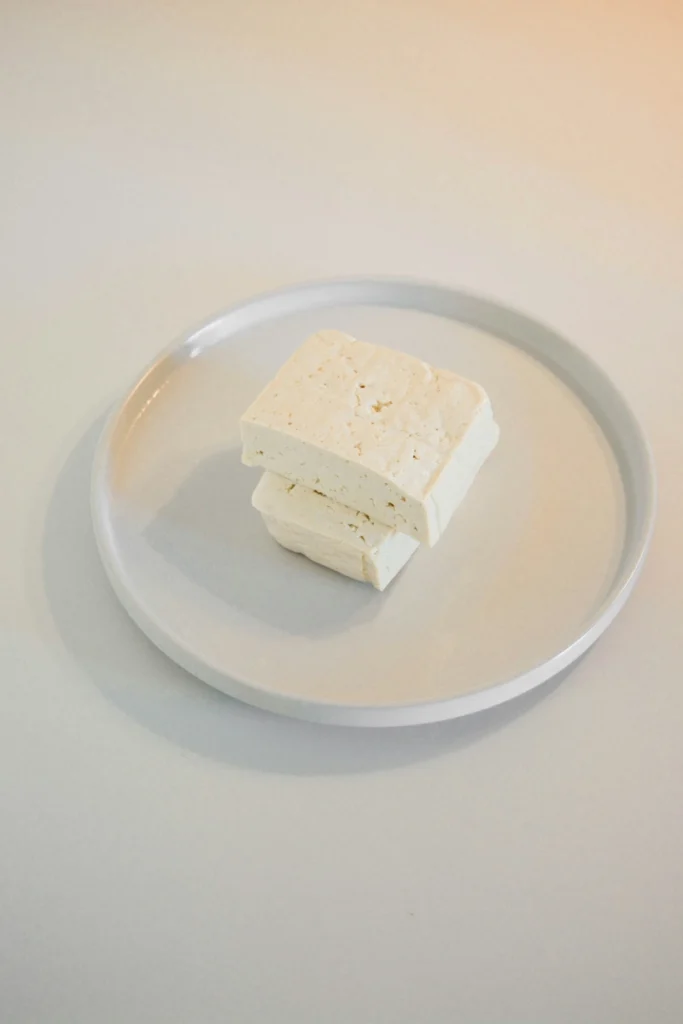
Boiling Tofu vs Pressing Tofu
Yes, boiling tofu can absolutely be used instead of pressing it, and for many preparations it is more than enough.
It is also not the only alternative. In my complete guide on how to press tofu without a tofu press, I explain several different methods you can use depending on the time, tools and type of tofu you have available.
There are, however, a few preparations where using both methods can make sense. Pressing is particularly effective at physically removing a larger amount of the water held inside the tofu, while boiling in salted water affects the tofu in a different way, helping to firm its structure and lightly season it at the same time.
Using both techniques can therefore be useful when you are looking for a particularly dry, firm piece of tofu before a high heat cooking method, especially if your goal is a very crisp exterior and a dense, substantial interior. For everyday tofu recipes, however, there is usually no need to do both. A short boil in salted water followed by thorough drying is perfectly enough.
Boil Tofu Before Frying
I will start by being honest: I am not a huge fan of fried tofu. I do not particularly love frying as a cooking technique in general, but that is simply a matter of personal taste.
That said, frying tofu is undeniably one of the best ways to intensify its flavor, improve its chewiness and create a more satisfying texture. Boiling tofu before frying is one of those small steps that can make a real difference, and it only takes a few extra minutes.
The tofu becomes firmer and more compact, which means it can withstand handling much better during cooking. It also becomes easier to create that contrast between a crisp exterior and a more substantial interior.
The important part comes after boiling. The tofu needs to be drained and dried thoroughly before it goes anywhere near the oil. Do not transfer it directly from the pot to the frying pan. Allow the surface moisture and steam to escape first, then pat it completely dry before frying.
Which Tofu Works Best For Boiling?
There is not really one single “best tofu” for boiling, because boiling is not a recipe in itself. It is simply one of the ways we can treat tofu in order to improve how it behaves during the next stage of preparation or cooking.
That said, some types of tofu respond better to this method than others. Firmer varieties tend to hold their shape well and benefit more clearly from the changes in texture and moisture, while softer varieties can be more delicate and may react less predictably.
This does not mean that softer tofu cannot be prepared effectively. It simply means that other methods may be more suitable depending on the texture you are starting with and the final result you want to achieve.
Medium tofu can also be boiled, but it needs to be handled more carefully because it is more likely to break.
Silken and soft tofu are a different story. They can certainly be heated or gently blanched, and this is common in many recipes, but I would not use them for this particular technique if the goal is to create a firmer, meatier texture. Their delicate structure is simply designed for a different kind of result.
As always with tofu, the starting texture matters. Boiling can improve and modify the tofu you already have, but it cannot transform silken tofu into extra firm tofu.
What to Do After Boiling Tofu
Once the tofu has been boiled, what happens next depends entirely on the recipe you are preparing.
The first step, however, is always the same: remove the tofu from the water, drain it thoroughly and give it a few minutes to release its steam and surface moisture. This part is important. Boiling is only useful if we then allow the moisture that has reached the surface to escape.
From here, the tofu is essentially ready for its next transformation. You can marinate it, coat it with starch, season it, pan fry it, bake it or add it directly to another recipe.
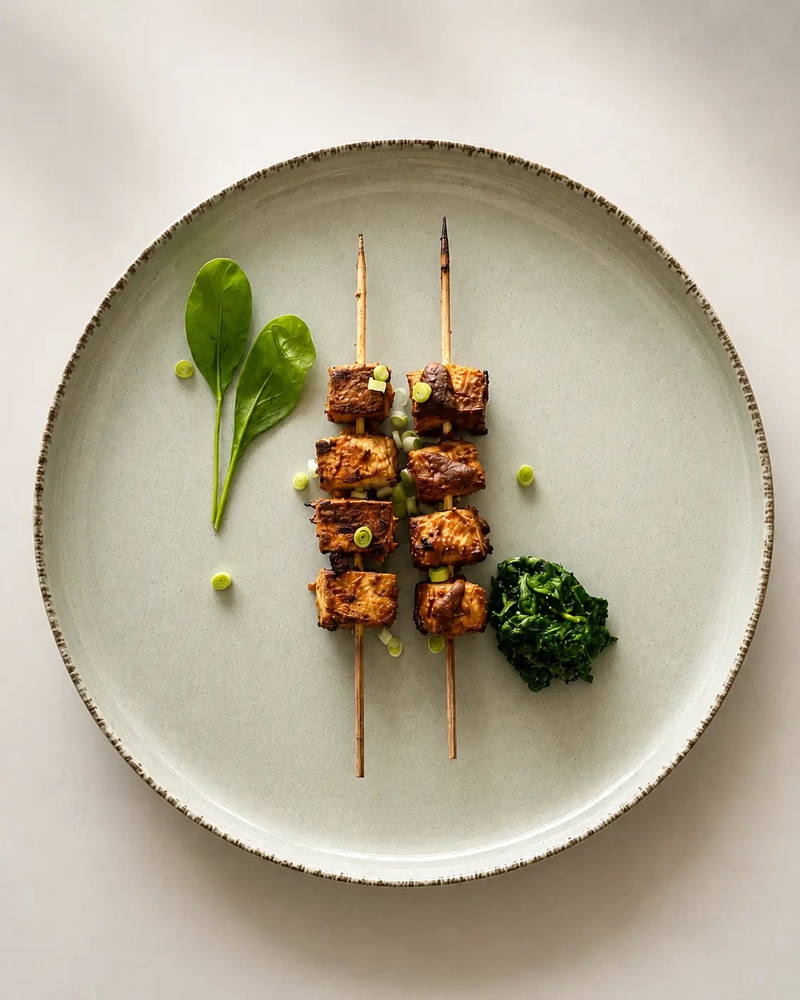
Can You Marinate Tofu After Boiling?
Not only can you marinate tofu after boiling it, you probably should.
Boiling is an excellent preparation step before marinating because, once some of the excess moisture has been removed and the tofu has been allowed to dry, it is better prepared to take on the flavors of the marinade. Instead of starting with tofu that is already saturated with water, you are creating more favorable conditions for the seasoning and marinade to penetrate and cling to its structure.
For this reason, marinating is one of my favorite things to do after boiling tofu. As always, however, make sure the tofu is properly drained and completely dry on the surface before adding it to the marinade. This will help the flavors adhere much more effectively instead of simply being diluted by residual water.
Common Mistakes When Boiling Tofu
Boiling tofu is a simple technique, but a few small mistakes can easily reduce its benefits.
- Using too little salt
- Boiling too aggressively
- Leaving the tofu in the water for too long
- Using very soft tofu without adjusting the method
- Not drying the tofu properly afterwards
- Frying or marinating it while the surface is still wet
FAQ About Boiling Tofu
You are not looking for doneness in the traditional sense because commercial tofu does not need to be cooked through before it can be eaten. Instead, look at the texture. The tofu should feel slightly firmer and more structured than when you placed it in the water. Remove it carefully, allow the steam to escape, and let the surface dry before deciding whether the texture is right for your recipe.
If tofu is being added directly to a soup, the purpose is slightly different because you are usually heating it and allowing it to absorb some of the flavors of the broth rather than preparing it for another cooking method.
Firm tofu can generally simmer in the soup for several minutes without losing its shape. Softer tofu should be added closer to the end and handled gently to prevent it from breaking apart.
Yes. Blanching is essentially a shorter and gentler version of the same idea. Instead of leaving the tofu in simmering water for several minutes, you briefly immerse it in hot or boiling water, usually for around one minute. This can be useful when you only want a subtle change in texture or want to warm the tofu without treating it as extensively.
Yes, but frozen tofu behaves very differently from fresh tofu. Freezing changes its internal structure and creates a much more porous, sponge like texture once it is thawed. Because of this, I recommend thawing frozen tofu first, gently squeezing out the excess water, and then deciding whether boiling is actually necessary for the recipe you are preparing.
Absolutely. Boiled tofu does not have to be fried, baked or marinated afterwards. Once it has been boiled, drained and allowed to cool slightly, it can be eaten as it is or added directly to bowls, soups, salads and other dishes. However, boiling is particularly useful as a preparation technique because it creates an excellent starting point for adding more flavor afterwards.
How to Boil Tofu: Quick Guide
For one standard block of tofu, you will need firm or extra firm tofu, enough water to keep it comfortably submerged, and 20 g of salt for every 1 litre of water.
- Cut the tofu into even pieces.
- Bring salted water to a gentle boil.
- Add the tofu carefully.
- Reduce to a gentle simmer.
- Cook for around 2 to 5 minutes depending on the result you want.
- Drain carefully.
- Allow the tofu to steam dry.
- Pat completely dry before marinating, frying or baking.