This article contains affiliate links. If you purchase through them, INUMAMI may earn a small commission at no extra cost to you. We only recommend what we genuinely use and trust and your support means the world to us.
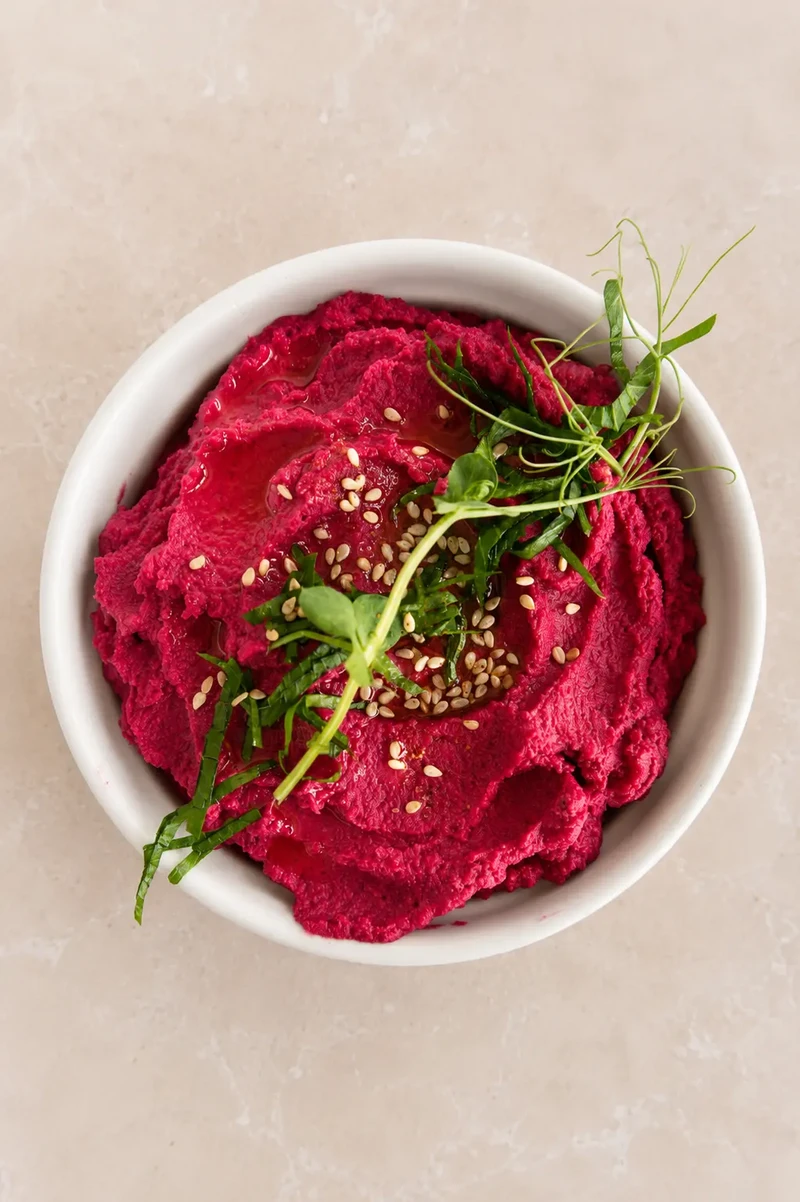
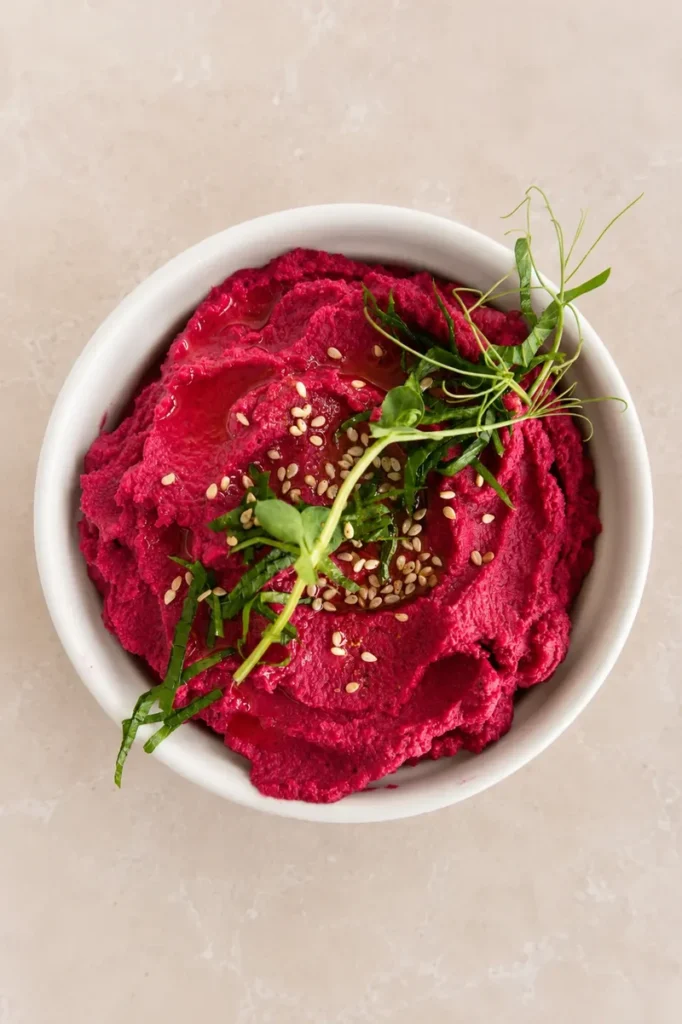
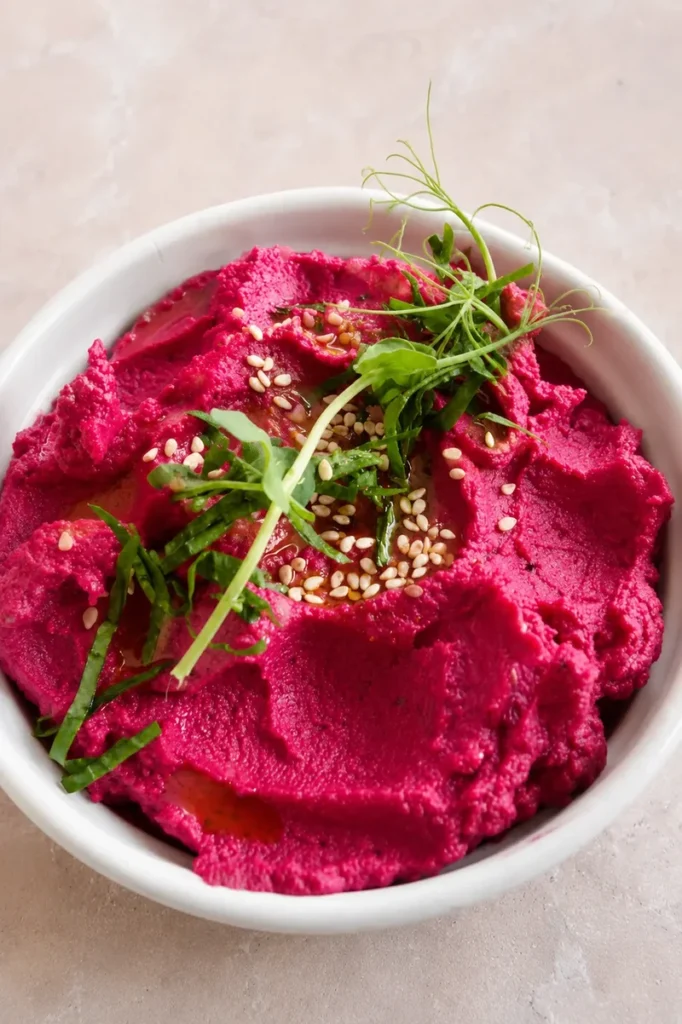
Hummus is always a good idea and hardly needs an introduction. But pink hummus brings something more, it’s not only delicious, but visually striking as well. Naturally plant-based, gluten-free, and incredibly nourishing, it builds on the classic foundation of chickpeas, the true star of the recipe, with the addition of beetroot for color, depth, and a subtle earthy flavour. The result is a creamy, vibrant spread that feels both familiar and unexpected at the same time.
In this recipe, you will learn how to achieve a smooth and creamy texture, how to balance the flavor of chickpeas and beetroot, and how to create a hummus that is both visually striking and deeply satisfying.
Ingredients
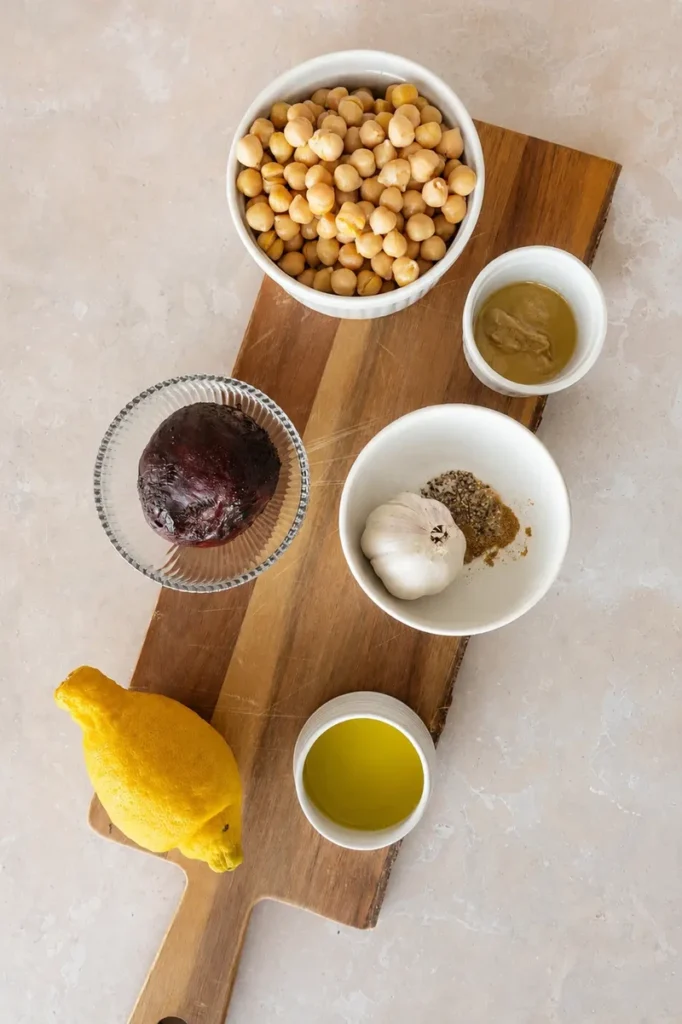
You will find the full recipe card below with exact measurements. Here, we focus on the ingredients and how each one contributes to the final texture, flavor, and balance of this pink hummus.
Chickpeas
Chickpeas are, of course, the base of any classical hummus. In this recipe, I used canned chickpeas, it is a quick solution, convenient, and still a very healthy option. The key is to choose good-quality canned chickpeas, ideally organic and with a low amount of added salt or preservatives. This makes a noticeable difference in both flavor and texture, allowing the hummus to remain clean, balanced, and naturally creamy.
Beetroot
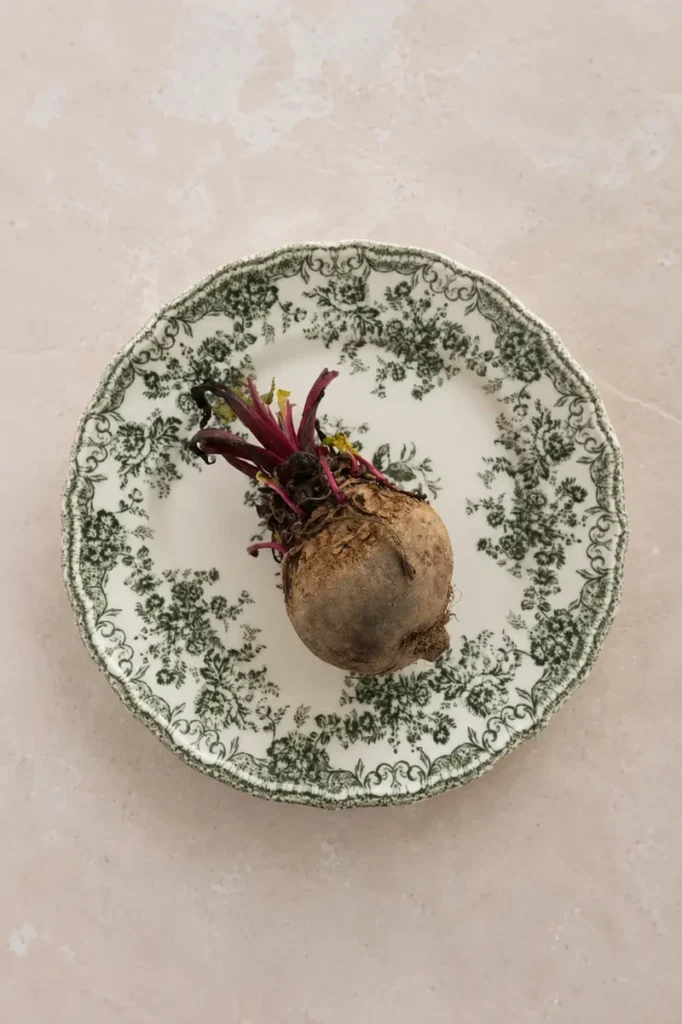
For this recipe, you can use either pre-cooked beetroot, like the ones commonly found in supermarkets, or cook fresh beetroot yourself. If you’d like to learn more, you can read our in-depth guide on how to cook beetroot.
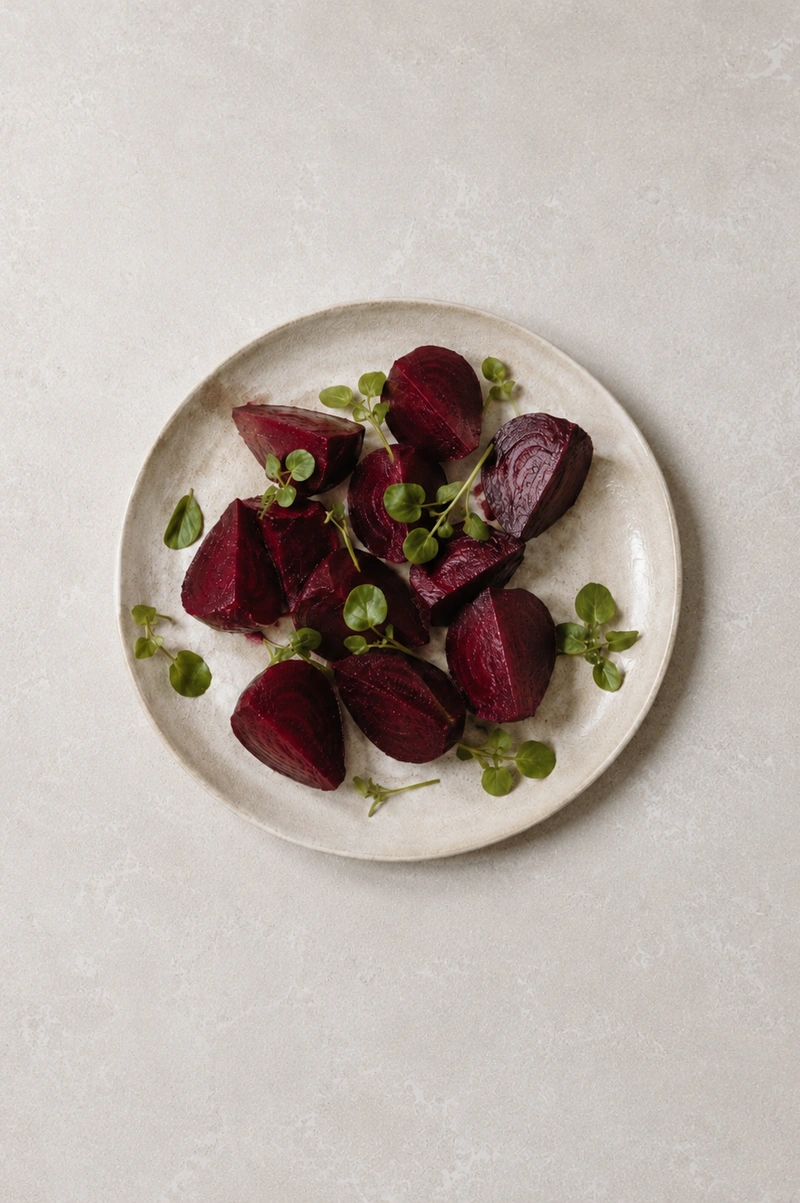
For this hummus, steaming, roasting, or boiling all work well, the choice depends on the flavor you prefer. Roasting brings out a deeper, slightly caramelized note, while steaming or boiling keeps the flavor lighter and more delicate. Beetroot is what gives this hummus its beautiful pink color, but it also adds a subtle earthy sweetness that makes the flavor more layered and interesting.
Tahini
Tahini is the element that brings richness and depth to the hummus. Made from ground sesame seeds, it acts as the “fat” component of the recipe, giving the hummus its characteristic creaminess and a slightly nutty, complex flavor.
It also helps balance the sweetness of the beetroot and the earthiness of the chickpeas, creating a more rounded and harmonious result. For the best texture, choose a smooth, high-quality tahini that blends easily and has a light, fluid consistency.
Lemon, garlic & seasoning
Lemon juice, garlic, salt, black pepper, and cumin are what bring everything together. They don’t overpower the hummus, but shape its final balance.
The lemon adds brightness and cuts through the richness of the tahini, garlic gives depth and character, while cumin introduces a warm, slightly earthy note that complements both the chickpeas and the beetroot. Salt and pepper enhance all the flavors, helping each element stand out without dominating the others.
Cold water or ice
Cold water, or even a couple of ice cubes, is essential for achieving a truly creamy hummus. During blending, the mixture naturally warms up due to the movement of the machine. Adding cold water (or ice) helps regulate the temperature, allowing the tahini to emulsify more smoothly and creating a lighter, silkier texture. It’s a small detail, but it makes a noticeable difference in the final result.
Toppings
Toppings are entirely up to you and can be adapted to your taste or the occasion. I like to keep it simple with fresh parsley, a drizzle of olive oil, and a touch of sumac for a slightly tangy finish.
You can also experiment with other options, such as sesame seeds, fresh mint leaves, or anything that adds contrast and enhances both the flavor and the presentation.
How to Make Pink Hummus – Step by Step
Before we get into the step-by-step, you can find the full recipe with exact measurements in the recipe card below. Here, we focus on the process, because when it comes to hummus, technique is what creates that smooth, creamy texture.
The basic steps are the same as for any hummus, from the classic hummus to lentil or bean-based variations. Of course, there are small adjustments depending on the ingredients used, but the foundation remains the same.
Prepare the chickpeas
Drain and rinse the chickpeas well. If you want an even smoother hummus, you can also remove the skins, though this step is optional.
Prepare the beetroot
If you are using pre-cooked beetroot, simply cut it into smaller pieces. If you are starting from fresh beetroot, like I did, you can consult our guide on how to cook beetroot for all the methods and tips.
For this recipe, I roasted it in the oven using a foil parcel, which helps retain moisture while developing a deeper, slightly sweeter flavor ( you will find all the instructions on our guide).
Add everything to the blender
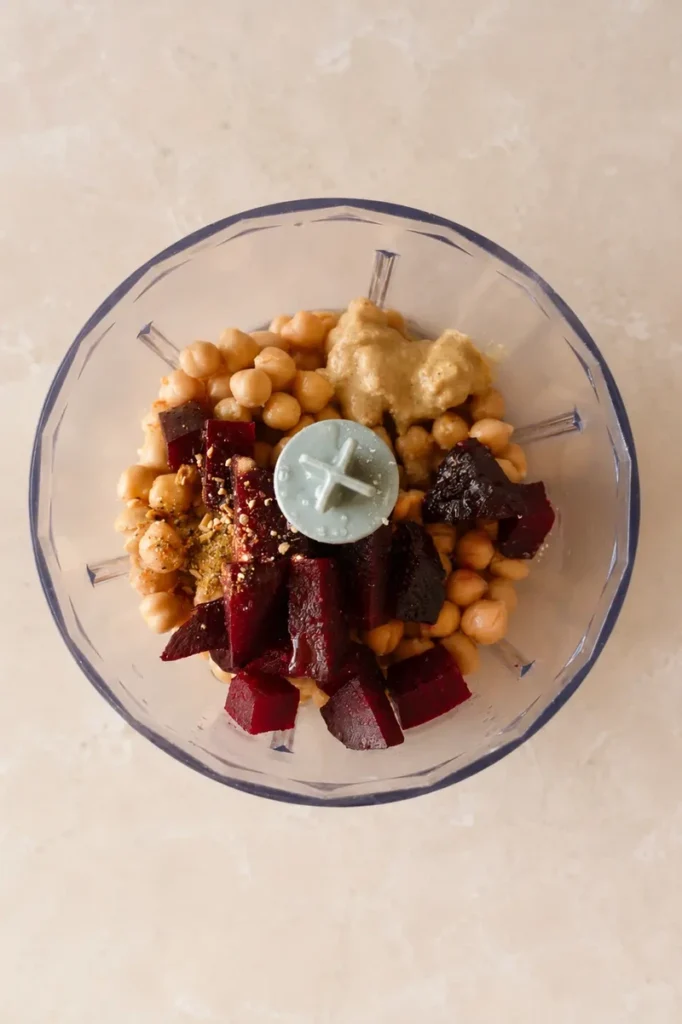
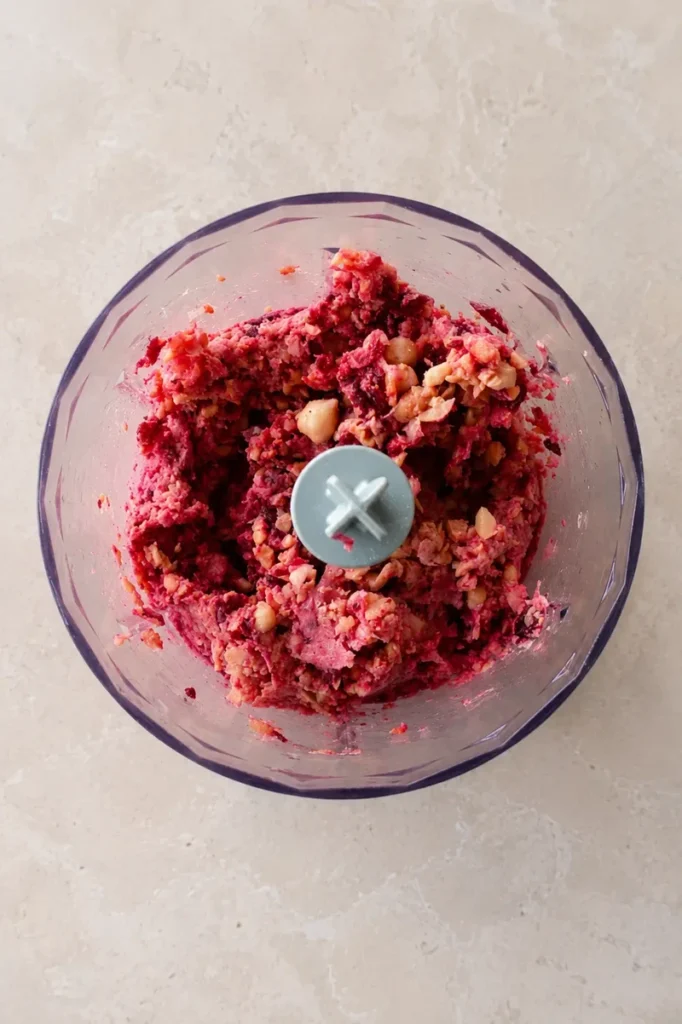
Place the chickpeas, beetroot, tahini, lemon juice, garlic, cumin, salt, and black pepper into a food processor or high-speed blender. Start blending the mixture until it begins to break down. At this stage, it will still look thick and slightly grainy.
Add cold water or ice
Add cold water gradually, or a couple of ice cubes, while blending. This helps the hummus become smoother, lighter, and creamier.
Adjust the texture
Continue blending until the hummus is silky and well combined. If needed, add a little more cold water until you reach your preferred consistency.
Bonus tip
If you don’t enjoy a strong garlic flavor and prefer something more subtle, you can take a garlic clove, cut it in half, and rub it along the sides of the blender before adding the other ingredients. This will leave a delicate aroma without making garlic the dominant flavor, just enough to enhance the overall balance.
Substitutions
This pink hummus is simple and flexible, and several ingredients can be adjusted depending on what you have available or the flavor you prefer. Some substitutions will slightly change the final taste or color, but the recipe will still remain creamy, balanced, and satisfying.
Chickpeas
Chickpeas can be replaced with white beans for a slightly milder and creamier result. The method remains the same, while the flavor becomes more delicate.
Beetroot
If you don’t have fresh or pre-cooked beetroot, you can use beetroot powder. It will still give the hummus its characteristic pink color, although the flavor will be slightly lighter and less earthy.
Garlic
If you don’t enjoy garlic, you can simply omit it. The hummus will still be flavorful, just a bit more delicate.
Spices
The spices can be easily adjusted based on your taste. You can keep them minimal or experiment with different combinations to create your own variation.
Tahini
If you don’t have tahini, you can substitute it with other ingredients that provide a similar creamy and slightly rich texture.
- cashew butter → the best alternative, mild and naturally creamy
- white almond butter → slightly sweeter, but works well
- sunflower seed butter → a good nut-free option with a more distinct flavor
Keep in mind that tahini has a unique taste, so any substitution will slightly change the final flavor. However, the hummus will still be smooth and satisfying.
How to Serve Pink Hummus
Pink hummus makes a beautiful and flavorful appetizer. It can be served with toasted bread, crackers, or fresh vegetables cut into sticks for a simple and satisfying option.
It also works well as a side dish, helping to create a more complete meal thanks to its combination of plant-based protein and carbohydrates. Pair it with vegetables such as sautéed zucchini or roasted green beans for a balanced plate.
You can also use it as the base for my caramelized roasted heirloom carrots, replacing the lemon chickpea cream with this pink hummus. The sweet, caramelized carrots work beautifully with the earthy beet flavour, and honestly, just imagine those colours together. It makes an already beautiful dish even more striking.
You can also use it as a spread in sandwiches or as a filling for wraps, adding both creaminess and flavor to your dishes.
For an extra layer of flavour, try adding a small amount of fermented beets on top before serving. Their tangy, bright taste contrasts beautifully with the creamy hummus and makes the dish feel even more alive.
What This Recipe Brings to the Body
This pink hummus is not only visually striking and satisfying, but also nourishing in a balanced and natural way. Chickpeas provide plant-based protein and fiber, supporting energy levels and helping you feel full for longer. Tahini adds healthy fats that contribute to satiety and bring a sense of richness to the dish.
Beetroot, beyond its vibrant color, is naturally rich in nutrients and known for its supportive role in circulation and overall vitality. Its subtle sweetness also makes the dish more grounding and complete. It is also rich in antioxidants and nutrients often associated with skin health, supporting a more radiant and balanced complexion over time.
Together, these ingredients create a dish that is both simple and deeply nourishing, something that supports the body while remaining light and enjoyable.
FAQs
If you still have questions, here are some of the most common ones when making pink hummus. If we haven’t answered yours, feel free to leave it in the comments, we’ll be happy to help.
Pink hummus gets its color from beetroot. Even a small amount is enough to give it that vibrant shade, while also adding a subtle earthy sweetness to the flavor.
For a smoother texture, blend the ingredients for longer and add cold water or a couple of ice cubes during the process. You can also remove the skins from the chickpeas for an even creamier result.
Pink hummus can be stored in an airtight container in the refrigerator for about 3–4 days. Before serving, you can stir it and add a drizzle of olive oil to refresh the texture.
Yes, you can freeze it for up to 3 months, although the texture may change slightly once thawed. To improve consistency, stir well and add a bit of water or lemon juice before serving.
Pink Hummus with Chickpeas and Beetroot
Equipment
Ingredients
- 1 can chickpeas
- 1 Beetroot
- 3 tbsp Tahini
- 2 tbsp Fresh Lemon Juice
- 1 clove Garlic, Small
- ½ tsp Ground Cumin
- ½ tsp Salt
- ⅛ tsp Black Pepper
- 2-4 tbsp Cold Water You can use 2 ice-cubes
For toppings ( Optional)
- 1 tbsp Extra Virgin Olive Oil
- 1 tbsp Fresh Parsely, Chopped
- ½ tsp Summac
- Sesame seeds
Instructions
- Drain and rinse the chickpeas well.
- If using pre-cooked beetroot, cut it into smaller pieces. If using fresh beetroot, cook it first, then peel and chop it.
- Place the chickpeas, beetroot, tahini, lemon juice, garlic, cumin, salt, and black pepper in a food processor or high-speed blender.
- Blend until the ingredients begin to break down. The mixture will look thick at first.
- Add 2 tablespoons of cold water, or 1–2 ice cubes, and continue blending. Add more cold water as needed until the hummus becomes smooth and creamy.
- Taste and adjust with more lemon juice, salt, cumin, or cold water if needed.
- Transfer the pink hummus to a serving bowl. Top with olive oil, fresh parsley, sumac, sesame seeds, or your favorite toppings. Serve with bread, crackers, or fresh vegetables.
Notes
Nutrition