This article contains affiliate links. If you purchase through them, INUMAMI may earn a small commission at no extra cost to you. We only recommend what we genuinely use and trust and your support means the world to us.
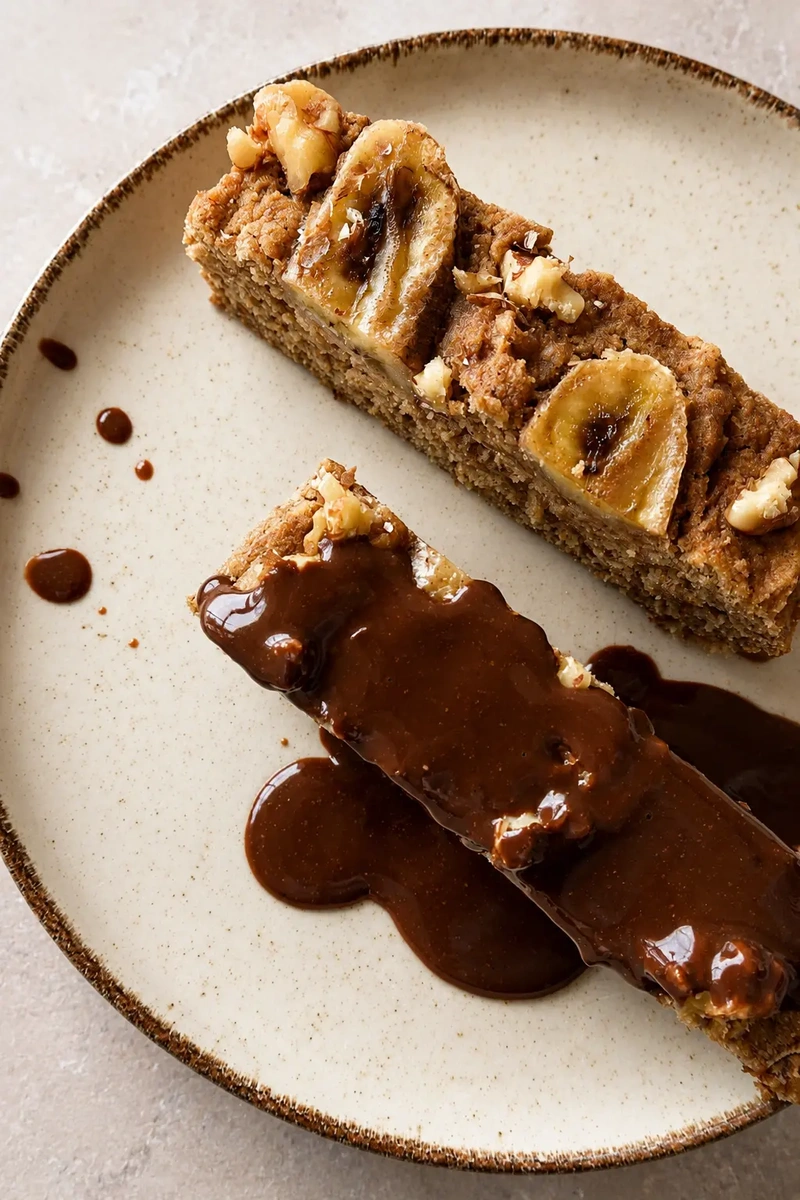
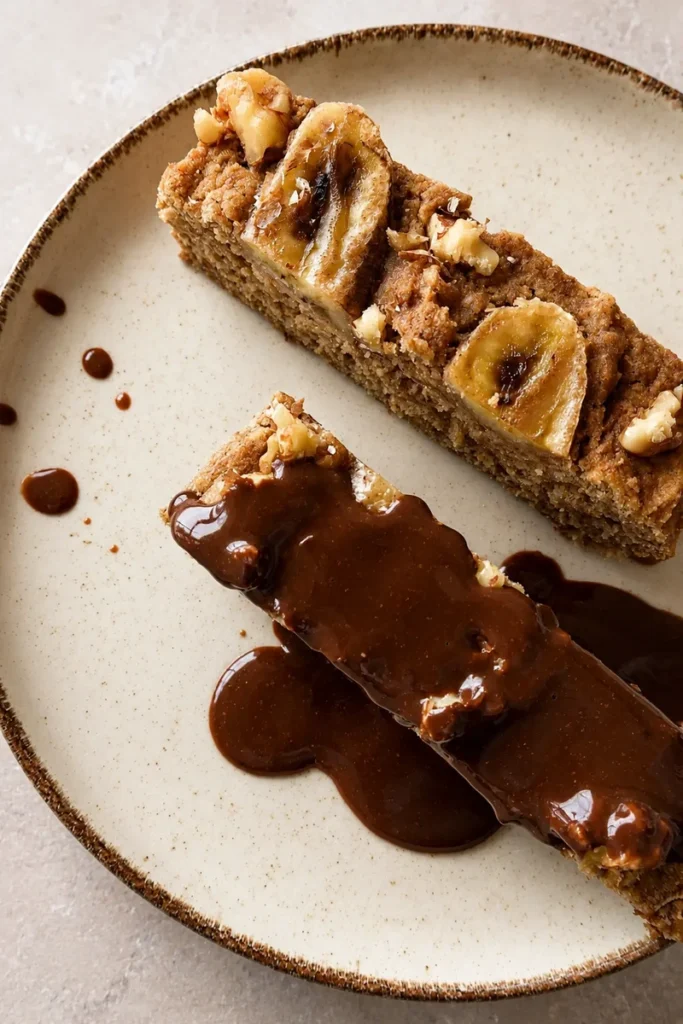
The Vegan gluten free banana bread has a way of immediately bringing a sense of comfort. It smells like home, like slow mornings and familiar moments. It’s one of those preparations that fills the kitchen with warmth, simple to make, yet deeply satisfying.
This version is both gluten-free and refined sugar-free, designed to be more balanced without losing what makes banana bread so enjoyable. Because when gluten is removed, texture becomes the real challenge.
In this recipe, you’ll learn how to create a plant-based banana bread that is soft, elastic, and well-structured, even without the support of gluten.
How to Make Vegan Gluten Free Banana Bread
You’ll find the full vegan gluten-free banana bread recipe, with precise measurements and simplified steps, in the recipe card below. Here, we focus on the process, along with a few key tips to help you get the best result.
The secret to making a good vegan and gluten-free banana bread is understanding how to replace traditional ingredients with alternatives that serve the same purpose. A well-made banana bread should be naturally sweet, soft, and tender, while still holding its shape without crumbling. It should also rise properly in the pan, creating a structure that feels light but stable. It’s all about balance between softness and structure.
Tips for the Best Vegan Banana Bread
Before moving on to the steps, a few key tips can make a real difference. The most important one is to use very ripe bananas. This is not a coincidence, banana bread was originally created as a way to avoid wasting overripe bananas during the Great Depression of the 1930s. Like many traditional recipes, it carries a story shaped by necessity and everyday life. If you’d like to explore its origins in more depth, you can read more about the history of banana bread in this well written article.
Coming back to the recipe, the bananas should be truly ripe, even dark or almost black. At this stage, they are naturally sweeter, softer, and much easier to incorporate into the batter, which directly affects both flavor and texture.
If you want to understand more about how eggs work in baking, and how ingredients like mashed banana can replace some of their functions, you can read my complete guide to vegan egg substitutes. And if you prefer ready-made options, my guide to the best vegan egg substitute brands explains which products work best for cakes, muffins, pancakes, and other baked recipes.
Another important aspect is the balance of gluten-free flours. Finding the right combination is not always straightforward, it often requires testing and small adjustments, and results can vary depending on the specific flours used. The blend used in this recipe has been carefully balanced to achieve a soft and stable texture. If you choose to use a ready-made gluten-free flour mix, the result may change slightly, so you may need to adjust the liquid or baking time.
Finally, as you might already know, our recipes are designed to limit the use of refined sugar as much as possible. The idea is simple: nourishing the body also means taking care of ourselves. It’s absolutely possible to achieve a deeply satisfying and naturally sweet result without refined sugar. That said, each natural sweetener behaves differently and needs to be used with intention. If you prefer to use refined sugar, you can refer to the substitutions section below to adapt the recipe accordingly.
Step-by-Step Method
Before moving to the recipe card, here is the method explained step by step. These passages will help you understand how to build the right texture, so the banana bread stays moist, soft, and well structured even without gluten or eggs.
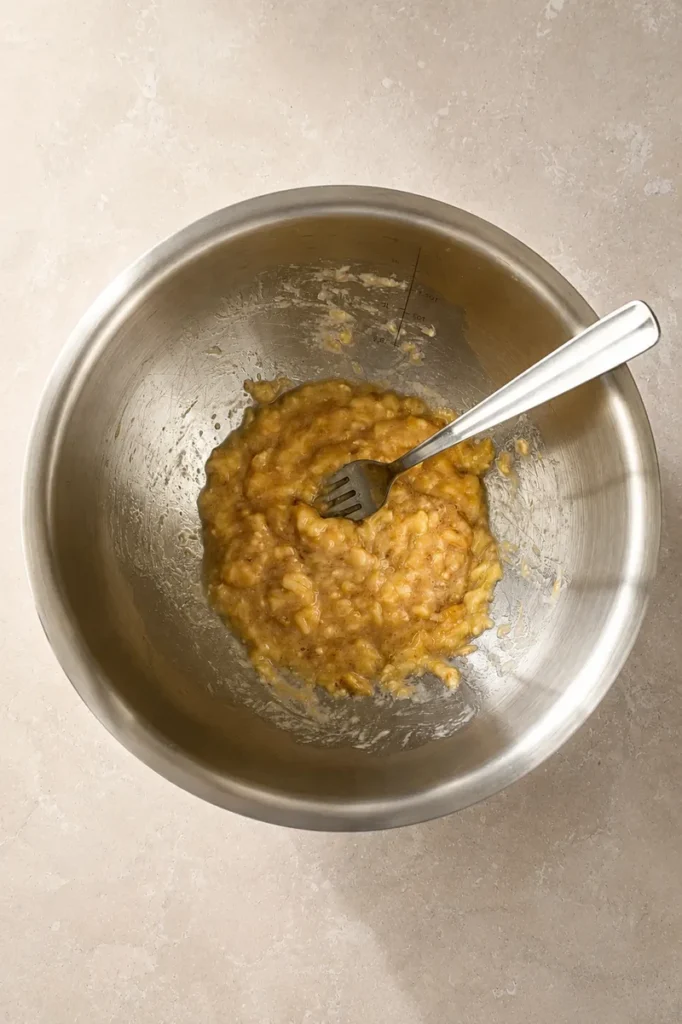
Step 1: Mash the bananas
Start by mashing the bananas until smooth. You can use a fork or a blender, depending on your preference. If the bananas are properly ripe, as they should be, a fork is usually the quickest and easiest method. The goal is to achieve a soft, smooth consistency without large chunks, so they incorporate evenly into the batter.
Step 2: Combine the dry ingredients
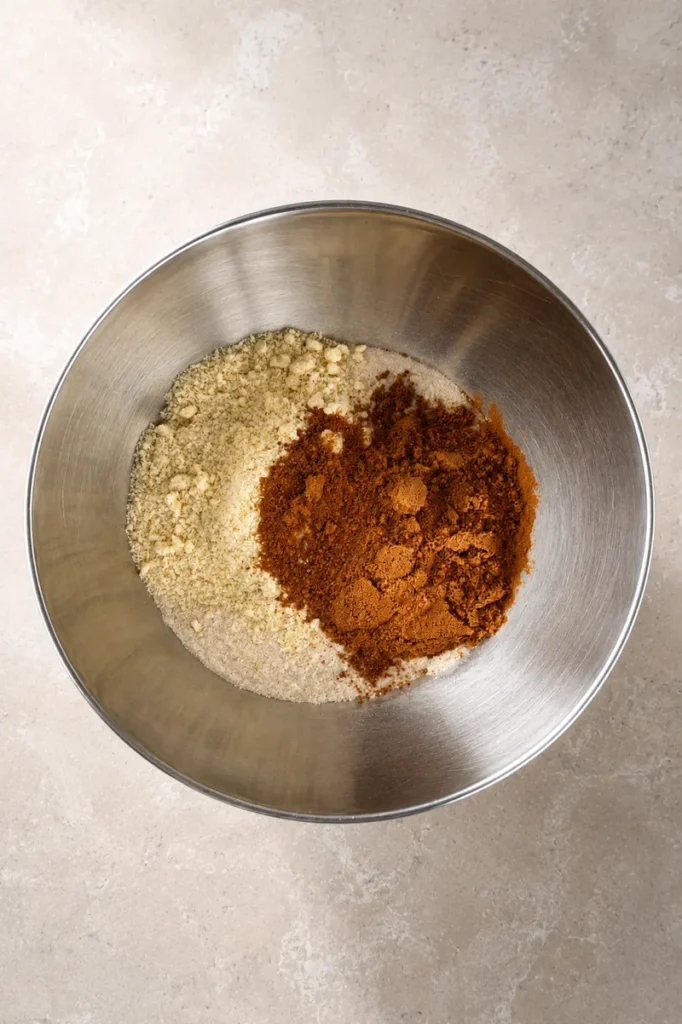
In a separate bowl, combine all the dry ingredients. For best results, it’s always a good idea to sift the flours before mixing. This helps prevent lumps and ensures a smoother, more even batter.
Step 3: Combine the wet ingredients
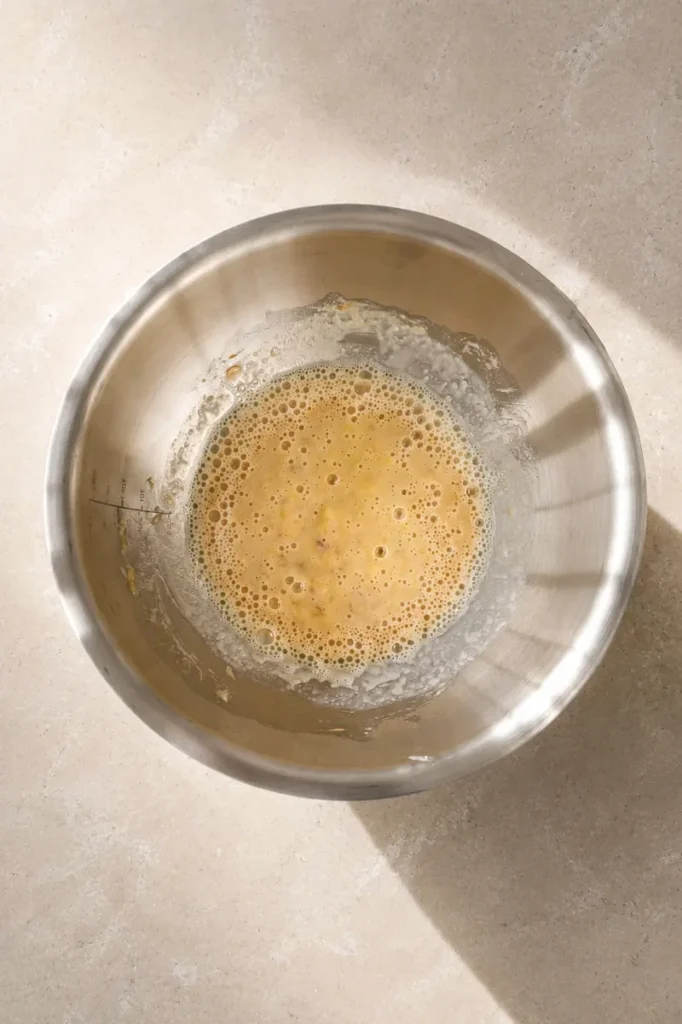
Add the plant-based milk and the vanilla to the mashed bananas, then mix well until everything is fully combined. You’re looking for a smooth, cohesive mixture that will blend easily with the dry ingredients.
Step 4: Bring everything together
Pour the wet ingredients into the bowl with the dry ingredients and mix until fully combined. The batter should not be too liquid, but it should remain soft and slightly loose. This is not a dough that holds its shape, it should feel more like a thick, spoonable batter.
Step 5: Transfer to the pan and bake
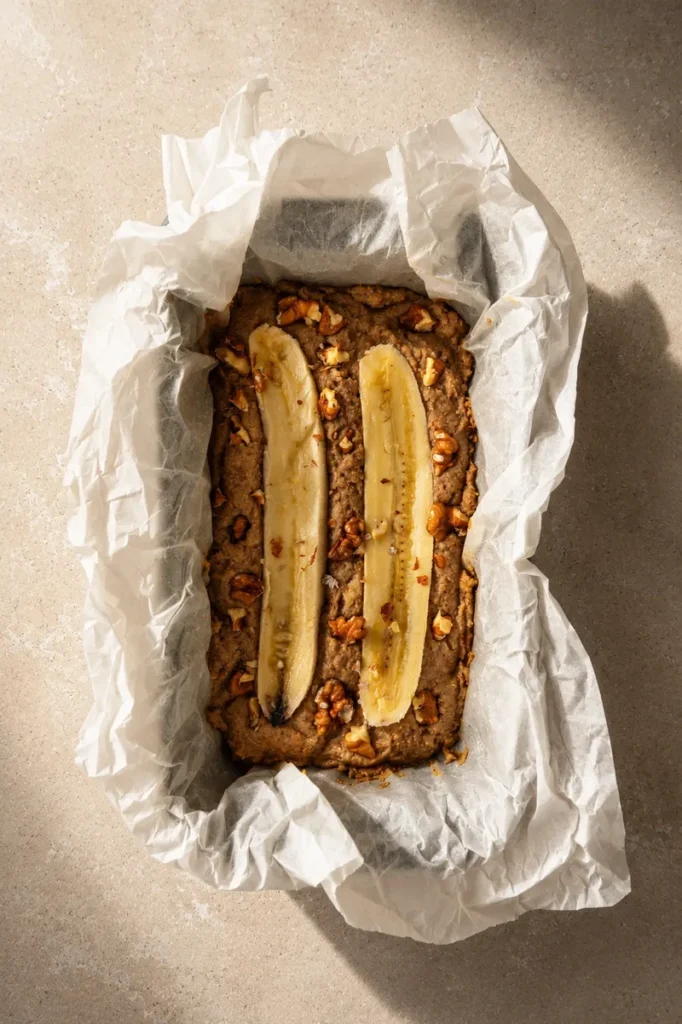
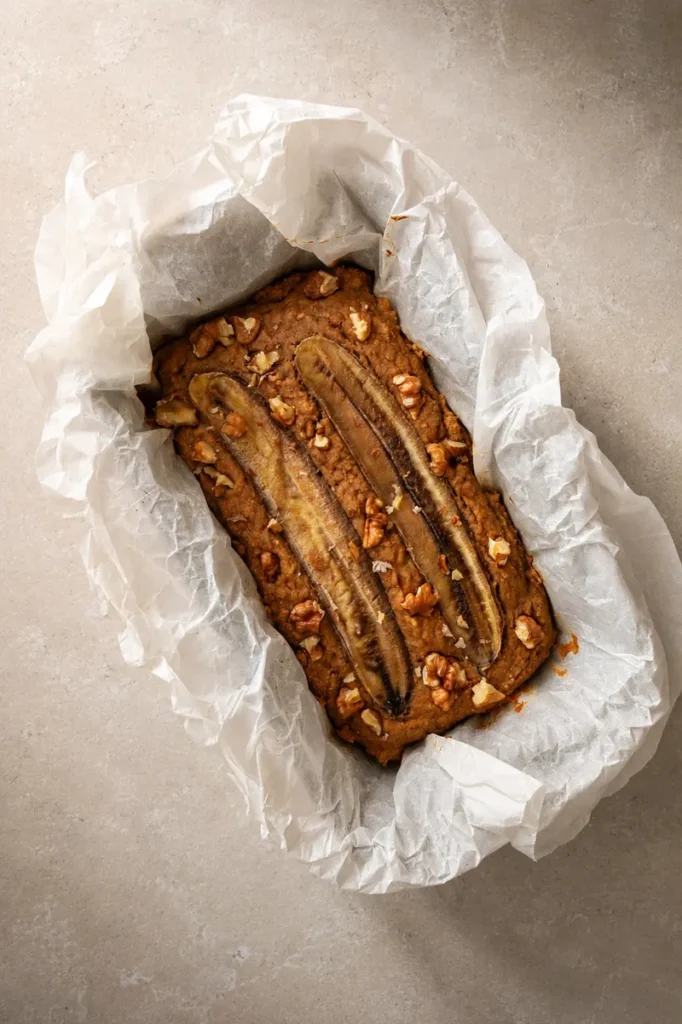
Line a baking pan with parchment paper. To make this easier, you can lightly wet the parchment paper, scrunch it with your hands, and then place it in the pan, it will fit much more easily. Pour the batter into the pan, level the surface if needed, and bake at 150°C (300°F) for about 40–50 minutes for a softer, more even texture.
Step 6: Optional additions
This is the base recipe, and it’s already delicious as it is. However, if you’d like to enrich it, you can easily add a few extra elements. You can fold in chocolate chips into the batter before pouring it into the pan for a richer, more indulgent version. Alternatively, you can place half a banana, sliced lengthwise, on top of the batter once it’s in the pan. This adds both visual appeal and extra moisture to the final result.
Step 7: Finish with chocolate sauce
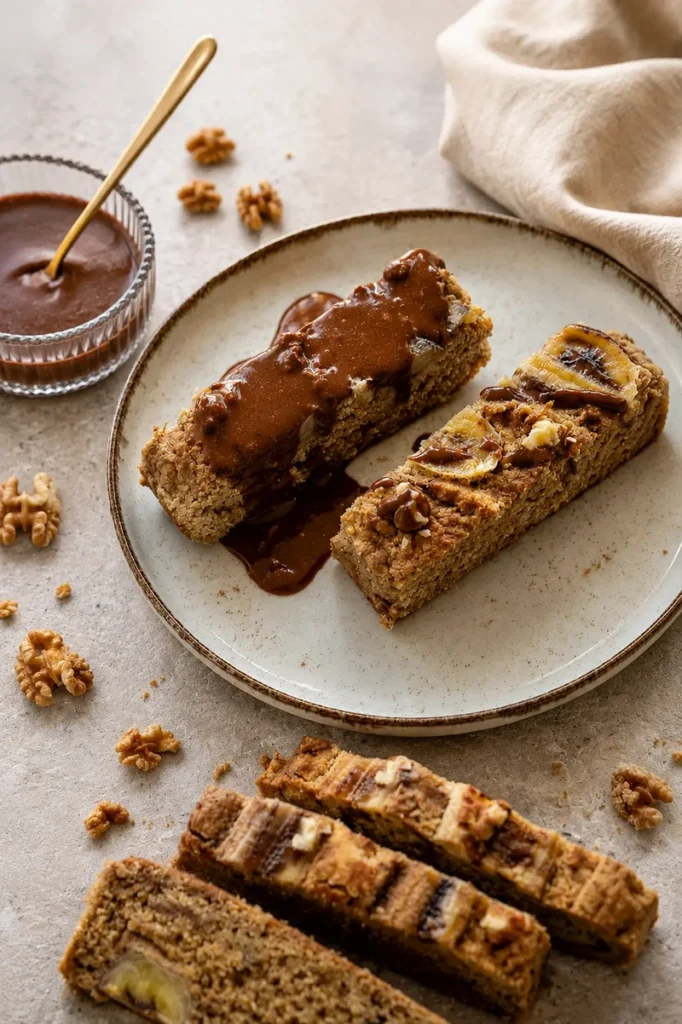
Once the banana bread has cooled, you can enjoy it plain or finish it with a simple vegan chocolate sauce. I usually like to pour a little chocolate sauce over each slice before serving. It adds richness, contrast, and a more indulgent finish, while still keeping the recipe very easy. Our vegan chocolate sauce itself is simple and quick to prepare, so you can make it fresh just before eating.
For something lighter and more delicate, you can also serve it with warm vegan crème anglaise, which gives the loaf a soft, silky finish without overpowering the banana.
And if you like this kind of loaf but want to try something different, my vegan fig bread with fresh figs follows the same comforting quick-bread idea, but swaps the banana for whole figs baked through the centre.
What Makes This Vegan Gluten Free Banana Bread Moist ( and delicious)
A good banana bread is defined by its texture. When working without gluten and eggs, the challenge is finding the right balance between moisture and structure, so the bread stays soft and tender, while still holding together. Several elements contribute to this result.
Baking time and temperature
A slower bake at a lower temperature creates a more even, moist texture, while higher temperatures tend to produce a firmer and more structured crumb.
Very ripe bananas
They are the main source of moisture and natural sweetness, while also acting as an egg substitute that helps bind the ingredients together. The riper the bananas are, the softer and more cohesive the final texture will be. To discover other options for vegan baking, read my complete guide on how to substitute eggs in plant-based cooking.
The balance of gluten-free flours
Without gluten, structure has to be built differently. The combination of flours used in this recipe is designed to create stability while maintaining a soft crumb.
The role of plant-based milk
Soy milk works particularly well in this recipe because of its protein content, which helps support the structure while adding moisture. It creates a more cohesive batter and contributes to a softer, more stable result.
The right amount of liquid
The overall hydration of the batter is key. Too much liquid can make the bread too soft and unstable, while too little can result in a dry texture.
How to Store your Vegan Gluten Free Banana Bread
Proper storage helps preserve both texture and flavor, especially for a gluten-free banana bread, which can change more quickly over time.
- At room temperature
If you plan to eat it within 2–3 days, you can store the banana bread at room temperature. Keep it well covered or in an airtight container to prevent it from drying out. This is the best option if you want to maintain a soft and tender texture.
- In the refrigerator
If you prefer to keep it longer, you can store it in the fridge for up to 4–5 days. Make sure it’s properly sealed to avoid it becoming dry. Keep in mind that refrigeration may slightly firm up the texture, so you can let it come back to room temperature before serving ( 20 minutes before).
- In the freezer
For longer storage, banana bread freezes very well. Slice it first, then place a piece of parchment paper between each slice. This prevents them from sticking together and allows you to take out only what you need. Store the slices in an airtight container or freezer bag for up to 3 months. When ready to eat, let them thaw at room temperature or warm them slightly.
Vegan Gluten Free Banana Bread Substitutions
This recipe is designed to be balanced, but it can still be adapted depending on your needs. Here are the most useful substitutions, along with how they may affect the final result.
If your bananas are not very ripe
You can still use them, but the banana bread will be less sweet and slightly less moist. In this case, you may need to adjust the sweetener slightly.
If you want to replace coconut sugar
You can use refined sugar for a more neutral flavor and lighter color. If you prefer to keep the recipe refined sugar-free, you can use liquid sweeteners such as maple syrup or date syrup. In this case, add them to the wet ingredients and slightly reduce the plant-based milk to maintain the right consistency.
If you don’t have soy milk
You can use other plant-based milks, but soy milk works best due to its protein content, which helps support the structure. Alternatives like oat or almond milk will work, but may result in a slightly softer or more delicate loaf.
If you can’t use almond flour (nut-free option)
In this recipe, almond flour helps add moisture, softness, and a slight richness. If you’d like to replace it, do not simply remove it without adjusting the rest. This recipe uses 190 g of rice flour and 30 g of almond flour, you can replace the almond flour with an additional 30 g of rice flour, bringing the total to 220 g.
However, since rice flour is drier, you’ll also need to compensate for the lost moisture. To do this, you can:
- add 1–2 tablespoons of plant-based yogurt, or
- slightly increase the plant-based milk, or
- add a small amount of oil
This helps recreate the softness that almond flour naturally provides.
Common Vegan Banana Bread Mistakes (and How to Fix Them)
Even simple recipes like banana bread can go wrong, especially when working without gluten and dairy ingredients. Most issues come down to balance, but the good news is that they are easy to fix once you understand the cause.
The banana bread is too dry
This usually happens when there isn’t enough moisture or the bread is overbaked. To fix it, next time make sure you’re using very ripe bananas and check the baking time. You can also add a little more plant-based milk or slightly reduce the baking time for a softer result.
The banana bread is too dense or heavy
This can happen if the batter is too thick or the flour balance is off. Try adding a bit more liquid or making sure the ingredients are well combined. Avoid overmixing, which can make the texture more dense.
It doesn’t hold its shape or crumbles
This is a common issue in gluten-free baking. Make sure the balance of ingredients is correct and allow the bread to cool completely before slicing. The structure continues to set as it cools.
The center is still raw
This usually means the temperature is too high or the baking time is too short. Try lowering the oven temperature slightly and baking for longer to allow the inside to cook evenly.
FAQ’s
Here are some of the most common questions about vegan gluten-free banana bread, from ingredients to texture and storage.
The key is balancing moisture and structure. Use very ripe bananas, the right amount of plant-based milk, and avoid overbaking. A lower baking temperature for a longer time also helps create a softer texture.
There isn’t a single “best” flour, what matters is the balance. In this recipe, a combination of rice flour and almond flour creates both structure and softness. If you use a ready-made gluten-free blend, results may vary slightly.
Yes. You can replace the almond flour with additional rice flour, but you’ll need to add a bit more moisture, such as plant-based yogurt or extra soy milk, to maintain a soft texture.
This usually happens when there isn’t enough moisture or the bread is overbaked. Make sure your bananas are very ripe and check the baking time carefully. Small adjustments in liquid can also make a big difference.
Yes. This recipe is designed to work well without refined sugar. You can use natural sweeteners such as coconut sugar, maple syrup, or date syrup, adjusting the liquid ingredients accordingly. If, like me, you don’t have a particularly sweet tooth, you can also skip added sweeteners altogether. When the bananas are very ripe, they already provide a natural sweetness that can be enough on its own.
Vegan Gluten Free Banana Bread
Equipment
Ingredients
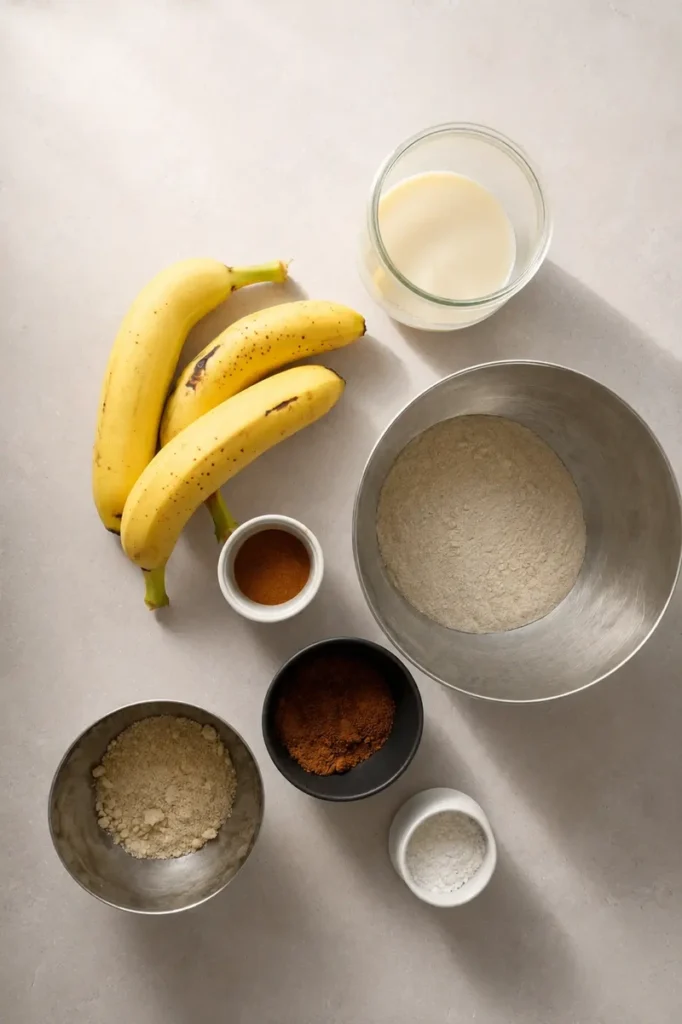
- 3 Riped Bananas
- 1/2 cup Soy Milk ( any other vegan milk will work)
- 2 tbsp Coconut Sugar
- 1 1/4 cups Brown Rice Flour
- 1/4 cup Almond Flour
- 1 tbsp Baking Powder
- 1 tsp Cinnamon
- 1/4 tsp Fine Sea Salt
Instructions
- Preheat the oven to 300°F / 150°C and line a loaf pan with parchment paper.
- Peel the ripe bananas and mash them in a large bowl with a fork until smooth and creamy.
- Add the soy milk and vanilla to the mashed bananas, then mix until well combined.
- In a separate bowl, mix the rice flour, almond flour, coconut sugar, baking powder, and a pinch of salt.
- Pour the wet mixture into the dry ingredients and mix until fully combined. The batter should be soft and thick, but still spoonable.
- Pour the batter into the prepared loaf pan and level the surface with a spatula.
- Bake for 40–50 minutes, or until the banana bread is set and a toothpick inserted in the center comes out mostly clean.
- Let the banana bread cool in the pan for about 10–15 minutes, then transfer it to a cooling rack. Allow it to cool completely before slicing, so the texture can set properly.
Notes
The nutritional information is an estimate and may vary depending on the exact ingredients, quantities, and optional additions used. For the most accurate result, adjust the calculation based on the specific products and amounts you choose. Recipe Testing Note:
All recipes on this site, including this vegan gluten-free banana bread, are tested before publication. The photos are original and taken during the actual recipe testing process, so they reflect the real final dish prepared in our kitchen. Substitutions Note:
If you’d like to try ingredient substitutions or different variations, you can find all the suggested options in the dedicated sections above the recipe card. Storage Note:
Store the vegan gluten-free banana bread in an airtight container at room temperature for up to 2–3 days. For longer storage, keep it in the refrigerator for up to 4–5 days, making sure it is well covered to prevent it from drying out. You can also freeze it in slices for up to 3 months; place parchment paper between each slice so they do not stick together.
Nutrition