This article contains affiliate links. If you purchase through them, INUMAMI may earn a small commission at no extra cost to you. We only recommend what we genuinely use and trust and your support means the world to us.
The first challenge I encountered on my vegan cooking journey was, without a doubt, replacing eggs. It was also the reason some of my recipes simply weren’t working, because I had tried to just leave them out, without stopping to consider what eggs were actually doing in the dish.
Replacing eggs in vegan cooking is the main challenge anyone transitioning to a plant-based diet will face. It is not just about recreating the taste of egg or being able to make dishes like vegan scrambled eggs, it is about understanding and recreating the function that eggs perform in a recipe.
Eggs are not just about flavour. They serve different purposes depending on what you are making. In baking, an egg might act as a binder, holding together the batter in a fig bread, for example, or it might help the mixture rise. In sauces and creams, eggs add silkiness and body. In pastries, they give colour and that golden finish. The functions are many, and the best way to understand how to substitute eggs is to first understand what they are doing, and then find the right replacement for that specific job.
In this guide you will learn everything, and I mean everything, about how to replace eggs in plant-based cooking.
First Things First: Why We Don’t Use Eggs
Let’s start with the most personal, ethical side of things, because it matters. Vegan cooking does not use eggs. Not because eggs are meat, but because the principle is the same: keeping hens in order to harvest their eggs is the exploitation of a sentient being who never consented to being used that way. Much like the ongoing debate around honey, eggs are a topic that sparks real conversation in the vegan community, and rightly so.
This is not the space for a deep ethical debate, though I believe that every recipe we cook is already a quiet political act. But I do hope we can all agree on one simple idea: animals are not ours to use.
The good news? Eggs can be replaced perfectly. And in many cases, the vegan alternatives are not just equal, they are actually better for you. No cholesterol, no saturated fat, and often a higher nutritional value. You are not giving something up. You are making a more conscious, more nourishing choice, without sacrificing a single crumb of flavour or texture.
The Complete Guide to Vegan Egg Substitutes by Function
Eggs are one of the most widely used ingredients in cooking precisely because they perform multiple functions, and they can do this thanks to their complex structure. They are made of water, proteins and fats, and through mechanical action or heat, their molecules change shape, transforming the texture and behaviour of whatever you are making. That might sound complicated, but it is actually quite intuitive once you see it in action.
The key thing to understand is that eggs are not always used for the same reason. Take classic mayonnaise, for example, the egg yolk is useful (useful, not necessary, as you will discover if you try my vegan mayonnaise) because it helps bind water and oil together, acting as an emulsifier. That is just one of the many functions eggs can perform in a recipe.
Let’s look at all of them, because understanding the function is the first step to finding the perfect substitute.
Eggs as a Binder and the Best Vegan Substitutes
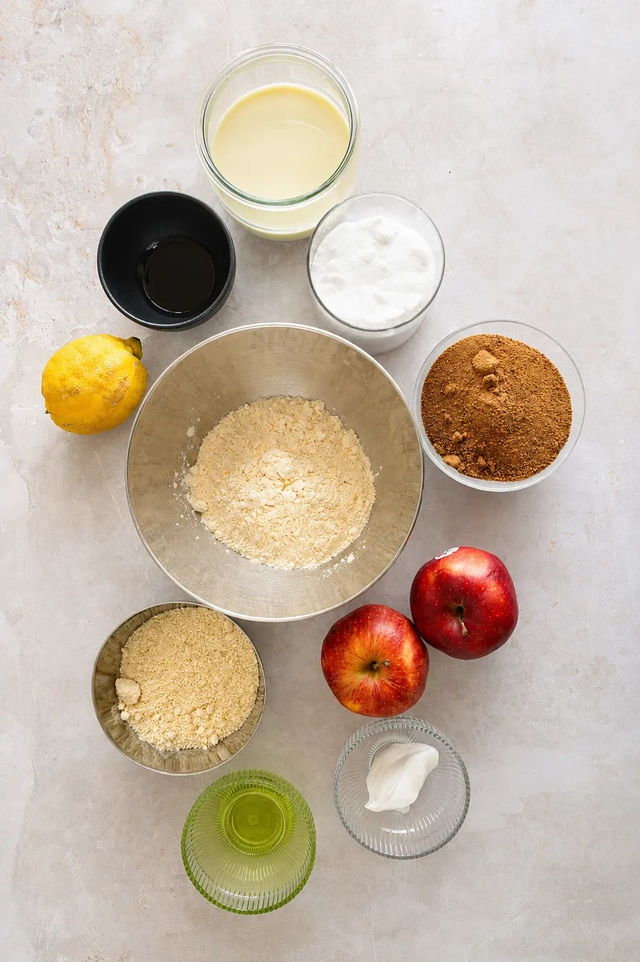
The simplest function to understand is the egg as a binder. In this role, the egg simply holds ingredients together, amalgamating them so they don’t fall apart. The most obvious examples are meatballs, burgers, and banana bread. If your banana bread holds its shape when you slice it rather than crumbling apart, you have the binding function of the egg to thank for that.
The good news is that this is also the easiest function to replace. These are the most reliable options:
Mashed Bananas or Applesauce
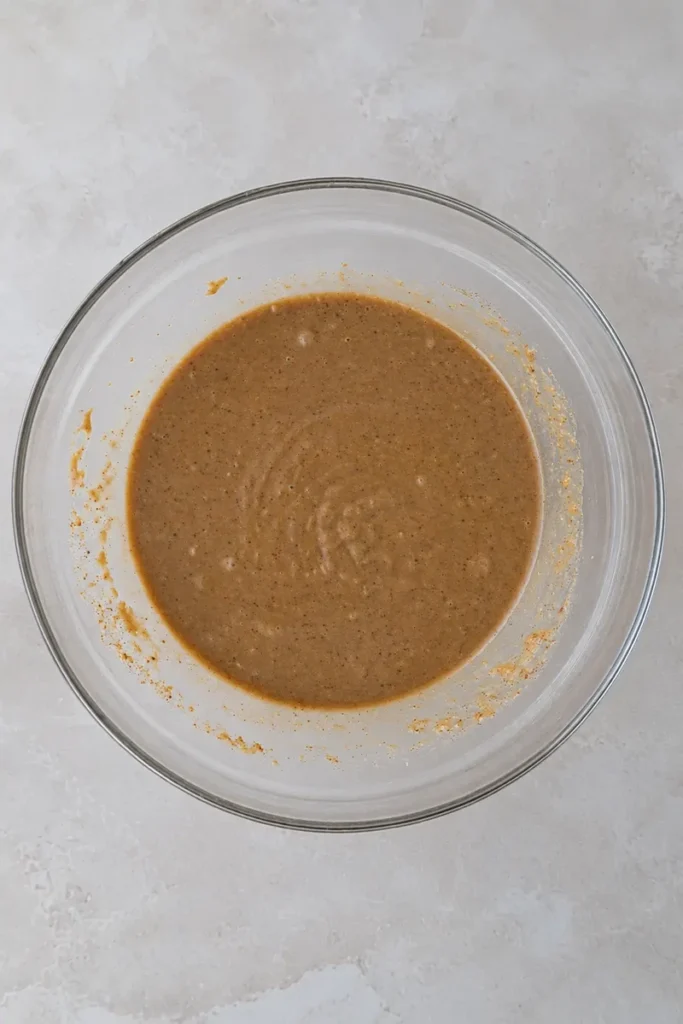
Use 70g per egg. This is the substitute I use in my banana bread, and it works beautifully. It does not just replace the binding function of the egg: it also partially replaces the sugar in the recipe, because the natural fructose in ripe banana and applesauce adds sweetness with a lower glycaemic index than refined sugar. Both banana and applesauce work because of their natural pectin content, a complex carbohydrate found in fruit cell walls that acts as a glue between particles. When heated during baking, pectin forms a gel-like matrix that holds the mixture together, preventing it from crumbling.
Eggs as a Leavening Agent and the Best Vegan Substitutes
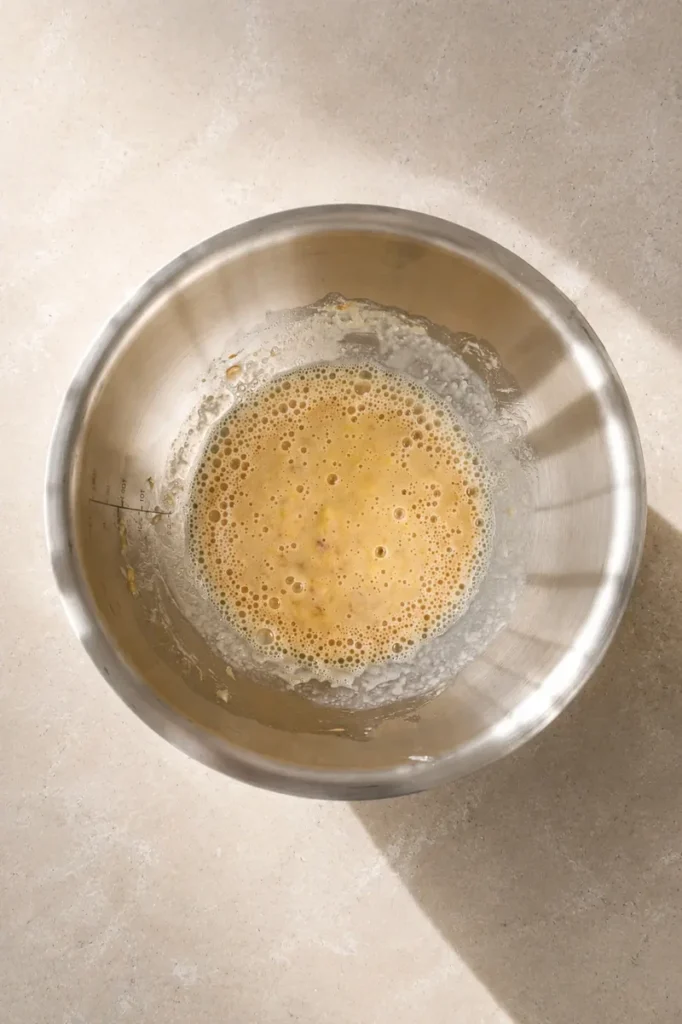
This is one of the trickier functions to spot in a recipe, but here is a useful rule of thumb: if a classic recipe calls for more than two eggs, chances are they are there at least partly for leavening. Eggs are capable of trapping air through mechanical actionand then expanding with heat, creating what is known as mechanical leavening, as opposed to chemical leavening (which is what baking powder and baking soda do).
The most classic example is Pan di Spagna, the Italian sponge cake. Its entire structure depends on eggs beaten until light and voluminous. Without that airy foam, the cake simply does not rise. It stays flat, dense, and heavy.
When it comes to replacing eggs as a leavening agent, the good news is that you have plenty of options. Some of them are so versatile that they work for both leavening and binding at the same time, which makes them particularly useful when a recipe relies on eggs for more than one function.
If you prefer a ready-made option, you can also explore my guide to the best vegan egg substitute brands, where I review different products and explain when each one works best.
Potato Starch or Cornstarch
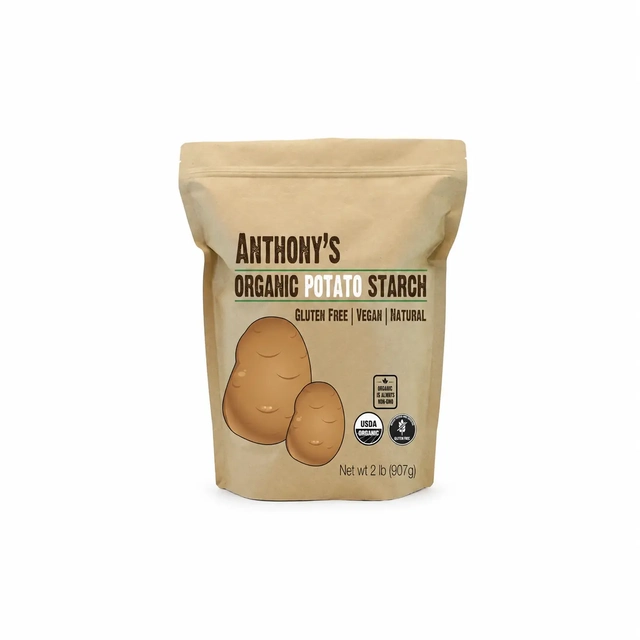
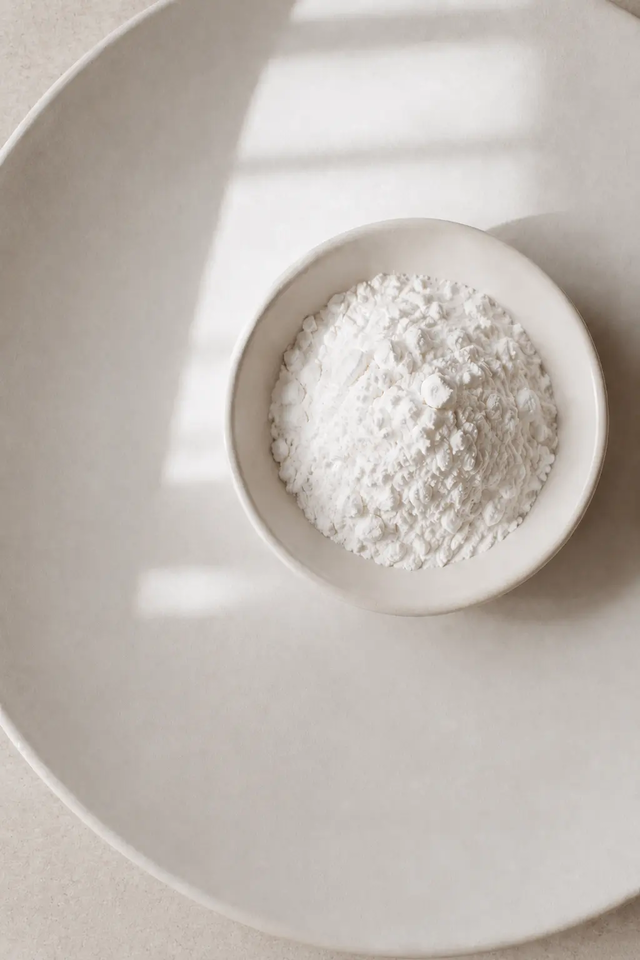
Use 2 tablespoons (approximately 16g) per egg. Beyond helping with leavening, both potato starch and cornstarch also contribute to the softness and tenderness of the final bake. Here is why: starch granules absorb water during mixing and then swell when exposed to heat, a process called gelatinisation. This creates a light, smooth internal structure that traps moisture rather than releasing it, resulting in a softer crumb that stays tender for longer. Potato starch in particular has larger granules than cornstarch, which means it gelatinises at a slightly lower temperature and produces an especially delicate, melt-in-the-mouth texture, making it an excellent choice for sponge cakes and light pastries.
I also use cornstarch in my vegan crème anglaise, where it replaces the thickening effect traditionally provided by egg yolks and gives the sauce its smooth, silky consistency.
Soy yoghurt
Use ½ cup (120g) per egg. Soy yoghurt is one of my favourite substitutes for leavening, and once you try it you will understand why. It makes everything softer, almost cloud-like in texture. But there is a precise reason it works so well as a leavening agent: soy yoghurt is slightly acidic, and when that acidity comes into contact with baking soda (sodium bicarbonate) in the recipe, it triggers a chemical reaction that releases carbon dioxide bubbles. Those bubbles are what makes your batter rise.
I used it in my vegan fig bread with fresh figs precisely because I wanted to replace the role banana would normally play in a classic banana bread while keeping the crumb soft and moist.
Flax Egg
Use 1 tablespoon of ground flaxseed mixed with 3 tablespoons of water to substitute 1 egg. Let it sit for 5 minutes until it forms a gel. The flax egg is one of the most versatile substitutes in vegan baking precisely because it works for both functions ( binding and leavening) at the same time. Here is the technical reason it also helps with leavening: when ground flaxseed absorbs water, it releases mucilage, a soluble fibre that forms a viscous, gel-like network. This network is elastic enough to trap air bubbles during mixing, and stable enough to hold them in place as the batter heats in the oven. The result is a gentle but effective mechanical leavening action.
Soy Flour
Use 1 tablespoon per egg, mixed with 1 tablespoon of water to form a paste. Soy flour is one of those substitutes that quietly does its job without any fuss, and does it well. It works as a leavening agent because of its high protein content: soy proteins, like egg proteins, are capable of forming a network that traps air during mixing and sets when exposed to heat, giving your bake structure and lift.
Eggs as an Emulsifier, and the Best Vegan Substitutes
As I mentioned earlier, mayonnaise is the perfect example of the egg in its role as an emulsifier. But what does that actually mean? Oil and water do not mix, left to their own devices, they will always separate. The egg yolk acts as a bridge between the two, and it can do this because it contains lecithin, a naturally occurring phospholipid. The same emulsifying principle is at work in lemon curd, where the egg yolk binds the lemon juice with the butter into a smooth, glossy cream, and in the famous Italian pasta alla carbonara, where the yolk emulsifies the fat from the meat with the starchy pasta water, creating that silky, coating sauce without a single drop of cream.
This is actually one of the easier egg functions to replace, and the results are genuinely excellent, as anyone who has tried a good vegan mayonnaise or a classic aioli will know. The right substitute will give you the same creamy, stable emulsion without a single egg in sight.
Soy Milk
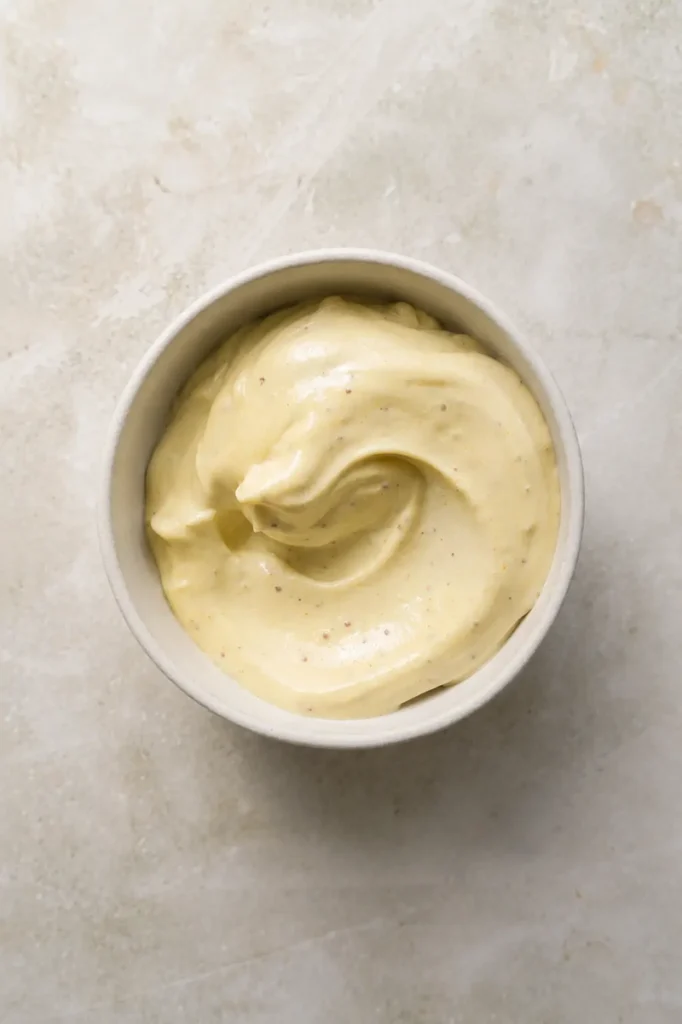
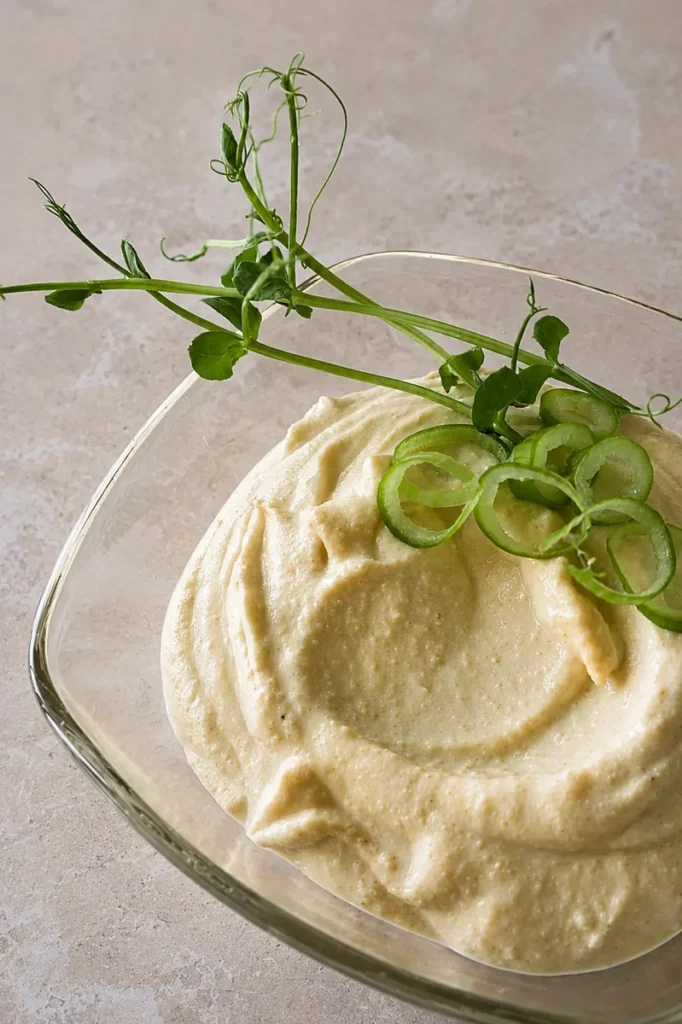
As a general rule, use 1 part soy milk to 2 parts oil, so 60ml (¼ cup) of soy milk to 120ml (½ cup) of oil. Soy milk is the secret behind truly great vegan mayonnaise, and there is a precise reason it works better than any other plant milk for this purpose. Soy milk contains a significant amount of naturally occurring lecithin, the same phospholipid found in egg yolk that makes emulsification possible. Just like egg lecithin, soy lecithin positions itself at the boundary between oil and water, surrounding the oil droplets and keeping them suspended in a stable, creamy emulsion. The result is a mayonnaise with a rich, thick texture that holds together beautifully, no eggs required. Use it cold, straight from the fridge, for the best results and if you don’t trust it yet, try the vegan mayo recipe ( it takes less than 10 minutes).
Aquafaba
For emulsification, use 3 tablespoons (45ml) of aquafaba per egg yolk as a starting point. Aquafaba is the cooking liquid from chickpeas, the water left in the can, or the liquid you get from cooking dried chickpeas yourself. Both work, though homemade aquafaba tends to be slightly thicker and more concentrated, which can give you a more stable emulsion. It works as an emulsifier because chickpea cooking liquid is rich in dissolved proteins and starches that, much like egg proteins, are capable of forming a network at the interface between oil and water, stabilising the mixture and preventing separation.
Helpful tip: if you do not have time to cook chickpeas from scratch or drain a can, aquafaba is now available to buy on its own, bottled and ready to use. It is a genuinely useful shortcut to keep in the pantry, especially if you use it often for meringues or mayonnaise. This Aquafaba made of chickpea water is the one i suggest you to go for.
Cashew Cream
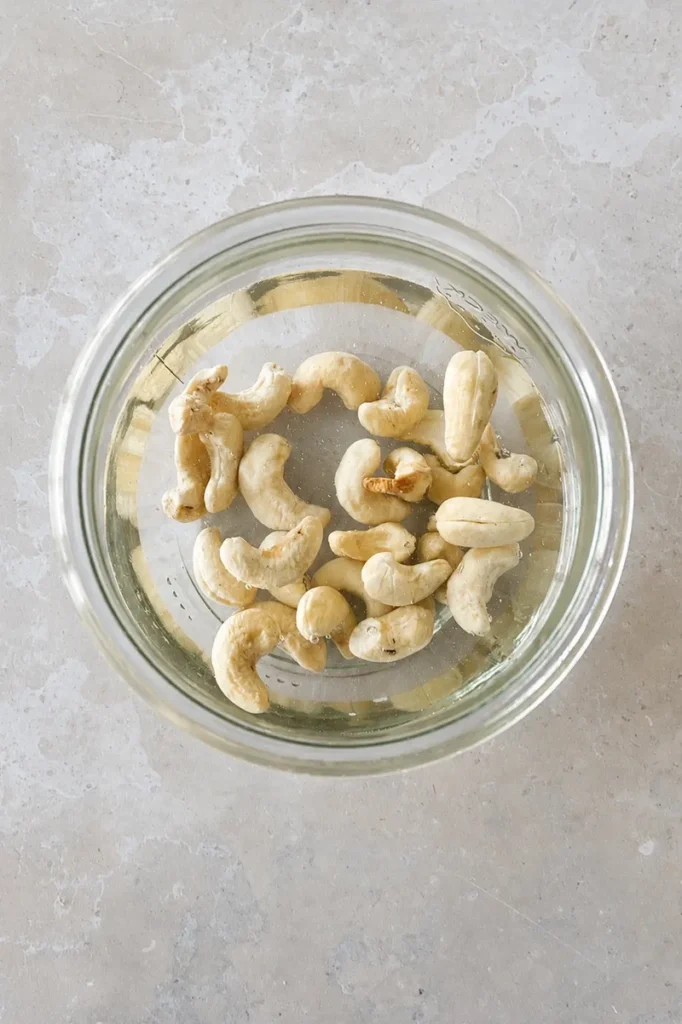
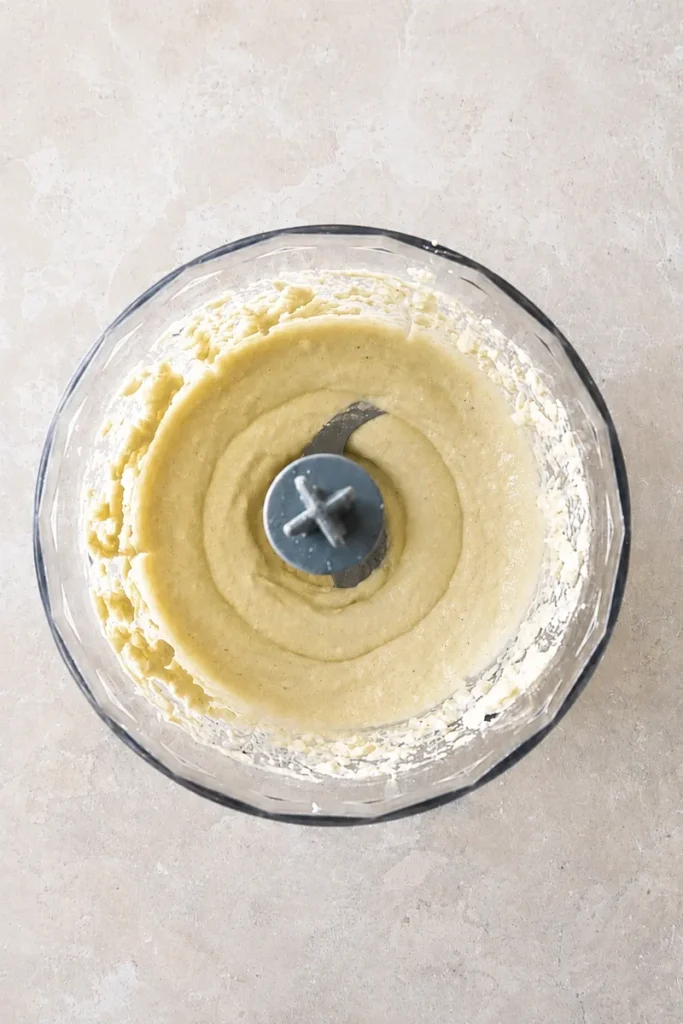
Blend ½ cup (70g) of raw cashews soaked overnight with 60ml (¼ cup) of water until completely smooth. Use this as your emulsifying base in place of egg yolk. Cashew cream works as an emulsifier because of the unique composition of cashews, they are naturally high in unsaturated fats and contain small amounts of naturally occurring phospholipids that, when broken down through blending, behave similarly to lecithin.
Silken tofu
Use 60g (¼ cup) of silken tofu, blended until completely smooth, in place of one egg yolk. Silken tofu is one of the most underrated emulsifiers in vegan cooking. Its secret lies in its protein structure: silken tofu is made from soy milk that has been coagulated without pressing, which means it retains an unusually high water content and an extraordinarily smooth, custard-like texture. When blended, its soy proteins, which, like lecithin, have both water-attracting and fat-attracting properties, disperse evenly through the mixture and stabilise the interface between oil and water. Try it out with my aioli recipe and you will see!
Eggs for Moisture, and the Best Vegan Substitutes
This is perhaps the most underappreciated function of the egg in baking. We tend to think of eggs primarily as binders or leavening agents, but in many recipes, their most important job is simply to add moisture and fat, giving the final bake that rich, tender, melt-in-the-mouth quality.
Replacing eggs for moisture is honestly the most liberating of all the substitutions, because the options are abundant, they are all whole, natural ingredients, and in many cases they bring something extra to the recipe beyond just hydration.
Avocado
Use 70g (⅓ cup) of mashed ripe avocado per egg. Of all the moisture substitutes on this list, avocado is the one that surprises people the most, and then becomes their favourite. It is naturally rich in monounsaturated fats, which behave in baking very similarly to the fat in an egg yolk: they coat the starch and protein molecules in the flour and create that dense, rich, almost fudgy crumb that makes a great chocolate brownie so irresistible.
Chickpeas and White Beans
Use 100g (½ cup) of drained and rinsed canned chickpeas or white beans, blended until completely smooth, per egg. Yes, really. I know what you are thinking, and I promise you, it does not taste of beans. I use blended chickpeas and white beans regularly in my brownies, blondies and chocolate fudge, and the result is consistently that dense, fudgy, almost paste-like texture that defines a truly great brownie. Not cakey, not dry, exactly right. Here is why it works technically: chickpeas and white beans are extraordinarily rich in both starch and protein. When blended smooth and exposed to heat, their starches gelatinise, absorbing water and swelling to create a dense, moist internal structure, while their proteins coagulate and set, giving the bake its shape and that characteristic fudgy chew.
A practical note: always blend them until absolutely smooth, any lumps will be noticeable in the final bake. A high-speed blender or food processor works best. And if you are using canned beans, rinse them thoroughly before blending to remove any residual brine flavour.
Vegan Egg Wash Substitute: How to Get That Perfect Golden Finish
This is undoubtedly the simplest egg function to replace, and in many cases, it is also the one we could most easily do without. But as I always say, vegan cooking is not a cuisine of limitation. It is a cuisine of intention. And achieving a beautiful, golden, glossy finish without eggs is actually pretty easy.
Plant Milk and Rice Syrup (or Maple Syrup)
Mix 3 tablespoons of plant milk with 1 teaspoon of rice syrup or maple syrup. Brush gently over the surface before baking. This is my go-to egg wash substitute, and it works beautifully. The plant milk provides the liquid base that helps the wash spread evenly, while the syrup adds the natural sugars that caramelise in the oven, giving you that deep, golden, slightly glossy finish. Rice syrup produces a more neutral, delicate result, closer to a traditional egg wash in both colour and shine. Maple syrup gives a slightly darker, richer finish with a very subtle sweetness that works particularly well on bread and savoury pastries where you want a little depth of colour.
Eggs for Coating and Breading, and the Best Vegan Substitutes
Eggs are also used as a glue for breadcrumb coatings, the classic example being a breaded cutlet, but the same principle applies to veggie patties, breaded vegetables, and anything you want to coat before frying or baking. The technique is always the same: dip in egg, coat in breadcrumbs, cook. The reason eggs work so well for this is twofold. First, their viscosity, raw egg is thick and sticky enough to cling to the surface of whatever you are coating, creating an even, adhesive layer that the breadcrumbs can grip. Second, their protein content, when exposed to heat, egg proteins coagulate and set, essentially gluing the breadcrumb coating permanently to the surface and preventing it from sliding off during cooking.
When it comes to breading, the vegan options are not just adequate, they are genuinely excellent. In some cases, they produce an even crispier, more satisfying crust than the original egg coating.
Plant Milk and Flour
Mix 3 tablespoons of plant milk with 2 tablespoons of flour to create a light batter. Dip your ingredient in the batter, then coat in breadcrumbs as usual.
Rice flour is my personal favourite here: it creates an exceptionally light, crispy coating that stays crunchy even after cooking. But I love to experiment with other flours too: chickpea flour adds a subtle savoury depth and a beautiful golden colour, while pea flour brings a slightly nuttier flavour and an impressive crispiness. Each one gives you a slightly different result, and finding your favourite is half the fun.
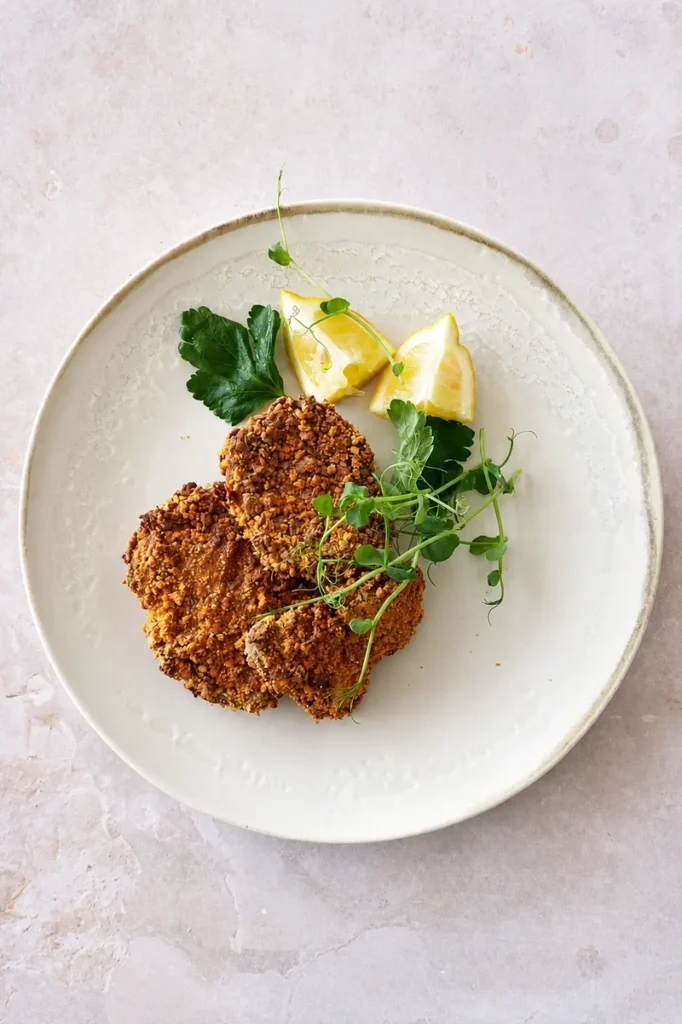
You can try this yourself with my vegan schnitzel recipe or my eggplant schnitzel: crispy, golden, and genuinely delicious. It is one of those recipes that will make you wonder why you ever needed eggs in the first place.
Silken Tofu
Blend 60g (¼ cup) of silken tofu until completely smooth. If it feels too thick, dilute it with a splash of plant milk until you reach a consistency similar to beaten egg. Dip your ingredient in the blended tofu, then coat in breadcrumbs as usual.
I have not personally tested this one yet, but the science behind it is solid, and it is firmly on my list to try. Silken tofu, once blended, is significantly denser and more protein-rich than plant milk, which means it should adhere to surfaces more effectively and create a more uniform, compact coating. When exposed to heat, soy proteins coagulate in much the same way egg proteins do, setting the breadcrumb layer firmly in place and making it less likely to slide off during cooking. The result, in theory, should be a particularly even, well-anchored crust. If you try it before I do, let me know in the comments how it goes, I would genuinely love to hear.
Vegan Egg White Substitute: How to Get Stiff Peaks, Meringues and Mousses Without a Single Egg
The egg white is the part of the egg used for specific preparations, meringues, mousses, soufflés, where its unique ability to be whipped into a stable, voluminous foam is essential. When you beat egg whites with an electric mixer, you are doing something huge at a molecular level: the mechanical action denatures the proteins in the white and forces them to reorganise around the air bubbles you are incorporating. These unfolded proteins form a network that traps and stabilises the air, creating that light, glossy, stiff foam that holds its shape even when folded into a batter or piped into meringues.
For this reason, replacing egg whites is more specific than replacing whole eggs, and if you want a ready-made option, my guide to the best vegan egg substitute brands includes animal-free egg white alternatives and explains when they are most useful.
Here too, we have a perfect substitute, one that replicates this process so faithfully that even professional pastry chefs have adopted it. And it comes from the most unexpected place imaginable.
Aquafaba as White Egg Substitute
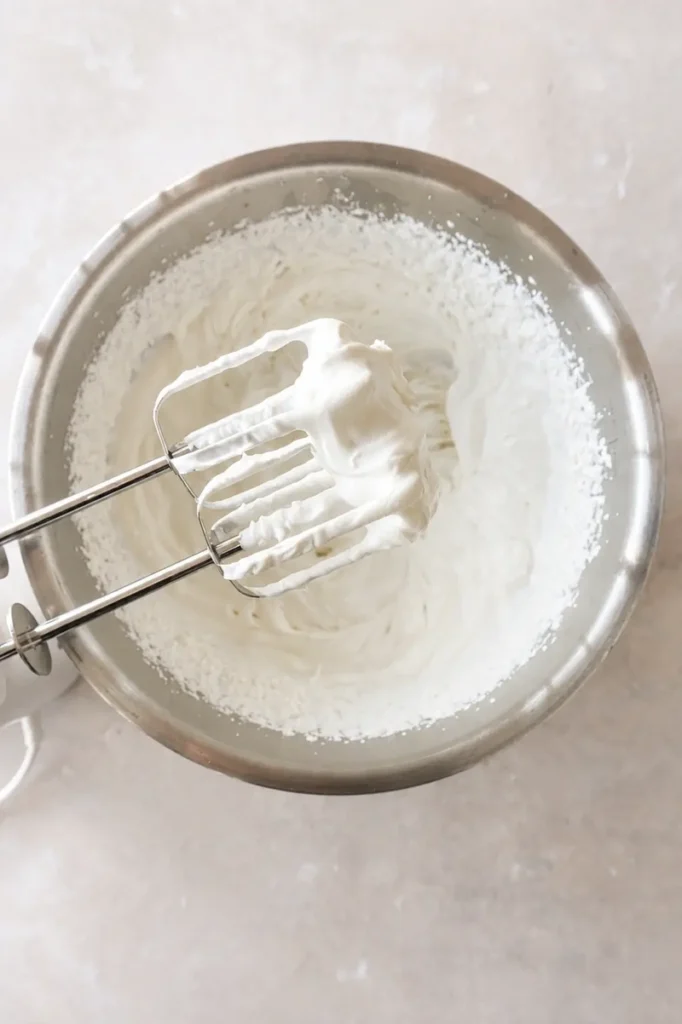
As I mentioned before, Aquafaba is the cooking liquid from chickpeas, the water left in the can after draining, or the liquid produced by cooking dried chickpeas yourself. It looks completely unassuming, which makes what it can do all the more extraordinary: whipped with an electric mixer, it transforms into a glossy, voluminous foam with stiff peaks that is virtually indistinguishable from whipped egg white.
The reason it works lies in its composition. Chickpea cooking liquid is rich in dissolved proteins, starches and saponins, natural compounds that, like egg white proteins, are capable of being denatured through mechanical action. When you whip aquafaba, these molecules unfold and reorganise around the air bubbles you are incorporating, forming a stable protein network that traps the air and holds the foam in place.
Use 3 tablespoons (45ml) of aquafaba to replace one egg white. For best results, use the liquid from canned chickpeas rather than homemade, it tends to be more concentrated and consistent, which means a more stable foam. Whip it cold, in a clean, grease-free bowl, and add a pinch of cream of tartar or a few drops of apple cider vinegar if you want extra stability.
Whipped Coconut Cream
To obtain coconut cream, place an unopened can of full-fat coconut milk in the refrigerator overnight. The cold causes the fat to solidify and separate from the liquid, rising to the top of the can. The next day, open the can carefully without shaking it and scoop out only the solid part, that is your coconut cream.
Whipped cold with an electric mixer, it transforms into a rich, stable foam that is perfect for recipes where you want body and creaminess rather than the ultra-light, glossy peaks of a meringue. It is particularly wonderful in chocolate mousse, the natural richness of coconut fat pairs beautifully with dark chocolate, creating a mousse that is dense, silky and deeply satisfying.
Vegan Egg Yolk Substitute: Colour, Richness and Emulsification Without the Yolk
Just as with the egg white, the yolk performs specific functions in cooking, and all of them are perfectly replicable with plant-based ingredients and techniques. The yolk is perhaps the most complex part of the egg to replace, not because the substitutes don’t exist, but because its functions are so varied depending on the recipe.
It is used as a thickener in creams like lemon curd and pastry cream, where its proteins coagulate slowly with heat, transforming a liquid into a silky, spoonable cream. It is used in fresh pasta, where it contributes that characteristic golden colour and the elasticity that makes the dough smooth and workable. And as we have already seen, it is the emulsifier behind mayonnaise and rich sauces.
The key here is not to find a single ingredient that does everything the yolk does, because no single ingredient can. The key is to understand which function the yolk is performing in your specific recipe, and choose the right substitute for that function. Once you have that clarity, the rest is simply a matter of technique, and the results, as you will discover, are far closer to the original than you might expect.
Vegan Egg Yolk Substitute for Creams and Custards
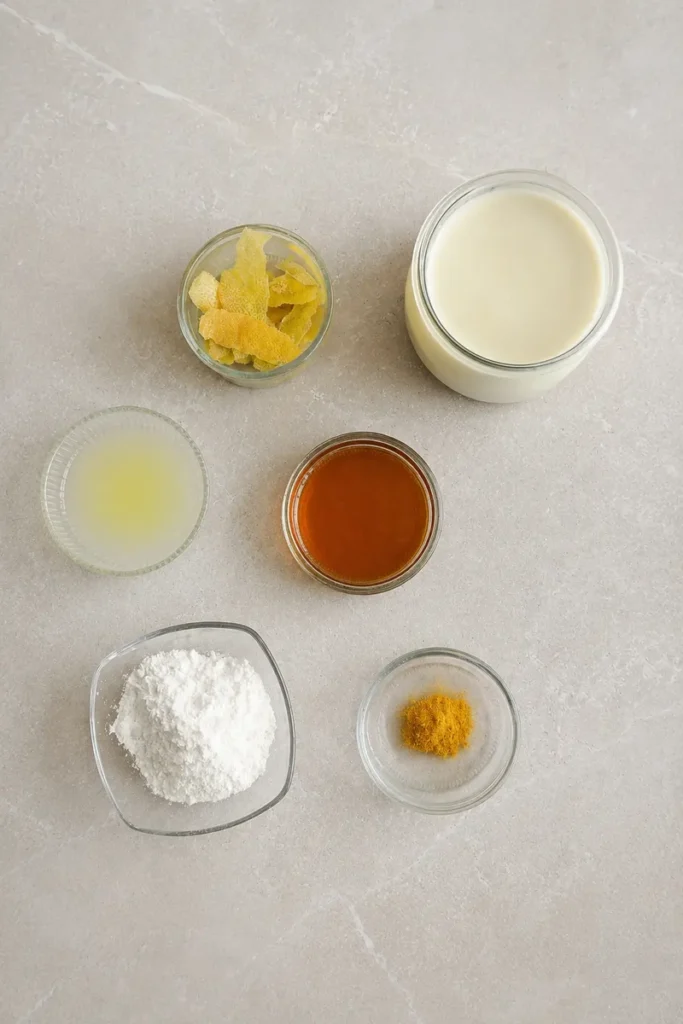
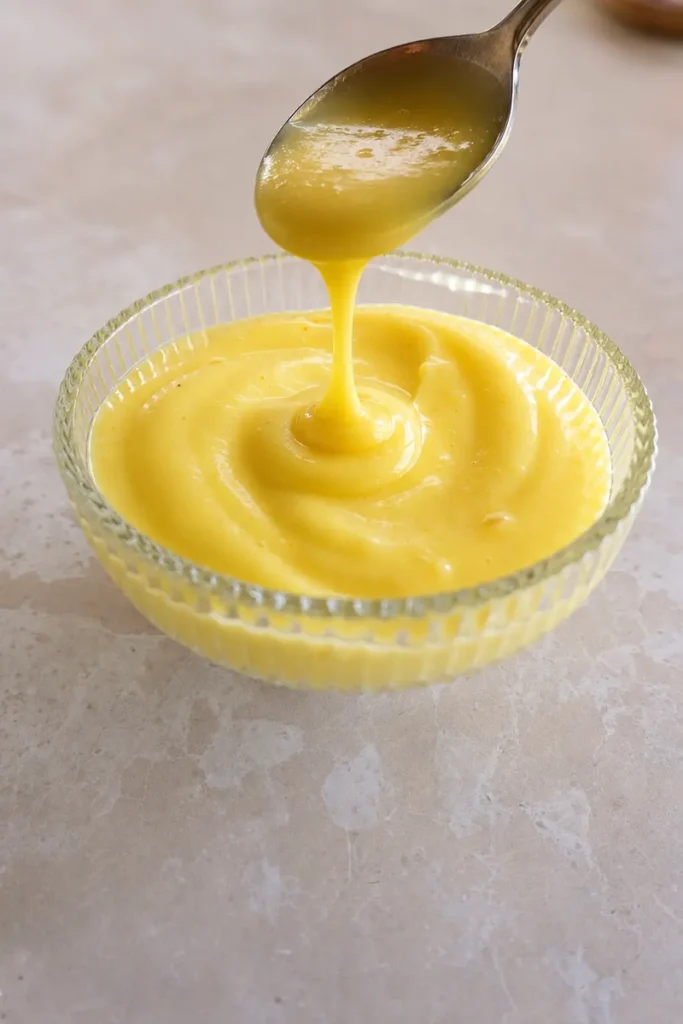
Use 1 tablespoon (8g) of cornstarch or potato starch per egg yolk as a starting point, adjusting to achieve your desired consistency. For creams and custards, the most reliable and widely used substitute is cornstarch or potato starch. Both thicken with heat in a way that closely mimics the behaviour of egg yolk proteins, and once you understand why, you will never be intimidated by a vegan pastry cream again.
You can see exactly how this works in my vegan lemon curd recipe, where cornstarch replaces the traditional egg yolks to create a smooth, silky and stable cream without eggs or dairy. The same principle applies to my vegan crème anglaise, where cornstarch gives the sauce its delicate thickness and silky, pourable texture without the need for egg yolks.
When starch granules are heated in a liquid, they absorb water and swell dramatically, eventually bursting and releasing their starch molecules into the surrounding liquid. These molecules then form a dense, continuous network that thickens the mixture in much the same way egg proteins would.
When the Egg Is the Point: How to Recreate Scrambled Eggs and Omelettes Without Eggs
Replacing the functions of an egg is largely a matter of understanding chemistry, of knowing what each component does and what it enables in a recipe. It is more about function than flavour. But there are dishes where the egg is not a background player, it is the star. Dishes where what you are after is the taste, the texture, the look of the egg itself.
Here too, the plant-based alternative is more than up to the task, not just visually, but in flavour as well, thanks to a handful of key ingredients that make all the difference.
Take the scrambled egg, one of the most iconic breakfasts in the world. Or the omelette, a French classic that has found its way onto tables across every culture. These are dishes built entirely around the egg. And yet they are completely replicable, once you know which ingredients to reach for and a few simple tricks.
Vegan Scrambled Eggs: The Key Ingredients
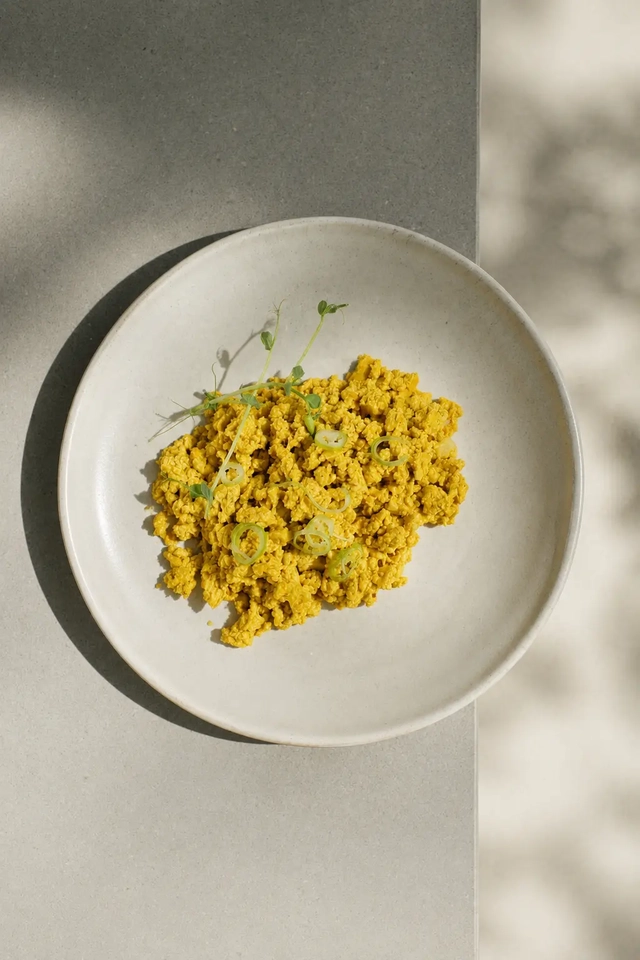
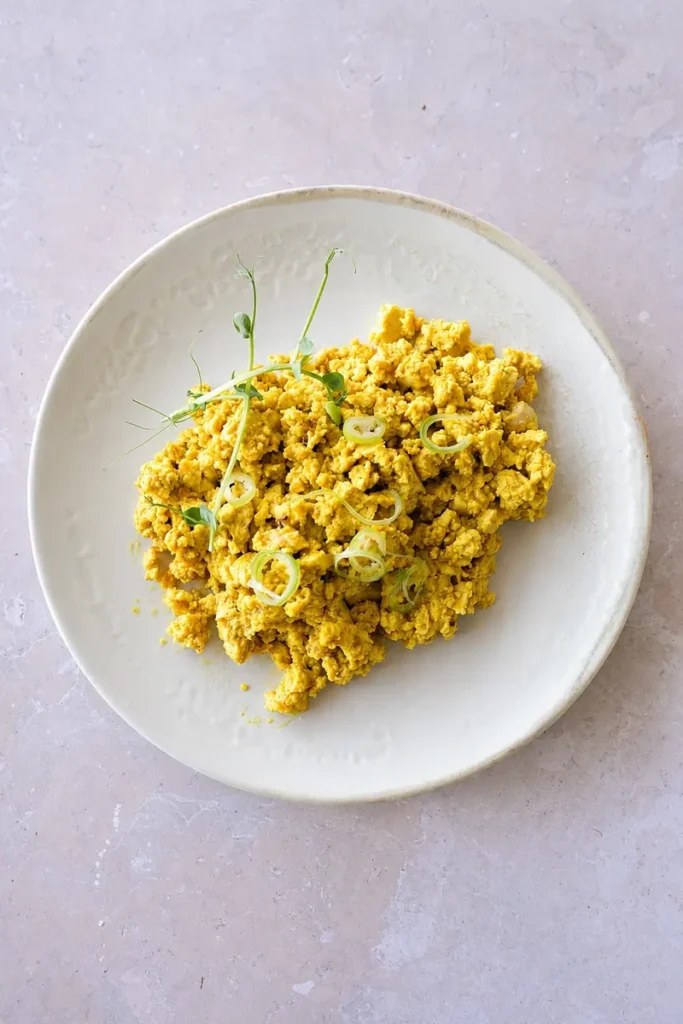
Vegan scrambled eggs are one of the most satisfying veganisations out there, because they genuinely succeed in replicating the original dish in almost every aspect: the look, the flavour, the texture, and even the protein content.
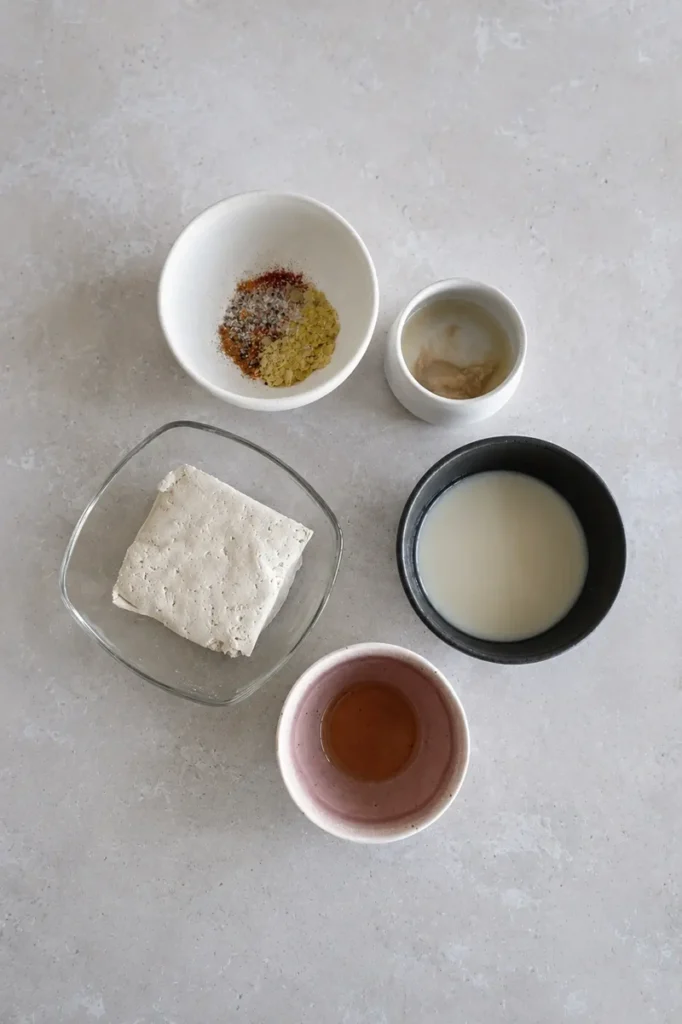
The three key ingredients that make it work are: tofu, kala namak, and a cream made from a fat ( I use tahini) whisked with a plant-based milk, usually soy. This base is then seasoned with a spice mix that serves primarily to add colour through turmeric, and depth of flavour through umami-rich ingredients.
I will not go into further detail here, because you can experience it for yourself, step by step, in my vegan scrambled egg recipe. It is one of those recipes that tends to convert even the most sceptical.
Vegan Omelette: How to Recreate the Texture
The vegan omelette is a slightly more ambitious project than scrambled eggs, because here you are not just recreating flavour, you are recreating structure. The omelette needs to hold together, fold cleanly, and support a filling without falling apart. It is more technically demanding, but absolutely achievable.
The base is a simple chickpea flour batter: chickpea flour mixed with water until you reach a smooth, pourable consistency similar to a crêpe batter. Chickpea flour is ideal for this because it is naturally high in protein, which means it sets when exposed to heat and creates a flexible but sturdy structure, exactly what you need to wrap around a filling without breaking.
Colour comes, once again, from turmeric, a small pinch is enough to give you that characteristic yellow hue. And flavour comes from kala namak, a particular volcanic salt with a naturally sulphurous taste that is remarkably close to the flavour of real eggs. It is the ingredient that makes people stop and ask what you put in it.
Cook it in a pan exactly as you would a traditional omelette or crêpe, pour the batter, let it set, add your filling, and fold. The result is a light, golden, protein-rich omelette that holds its shape beautifully and tastes far more like the real thing than most people expect.
Vegan Egg Substitute Brands: When You Want a Ready-Made Solution
Everything we have covered in this guide can be achieved with single ingredients or combinations that you probably already have in your pantry. But the market is evolving rapidly, and there is now a growing range of commercial products specifically designed to replace eggs, some for particular functions, others as more universal substitutes.
My personal advice is always to master the fundamentals first. Understanding why something works makes you a better cook and means you are never dependent on a specific product being available. That said, there are situations where a ready-made substitute is the most practical and reliable choice. I have put together a dedicated guide to the best vegan egg substitute brands on the market, with honest reviews and practical advice on when to use them.
Vegan Egg Substitutes by Function: The Complete Reference Table
Every substitute we have covered in this guide, gathered in one place. Use this table as your quick reference whenever you are in the kitchen and need to find the right replacement fast, organised by function, with quantities and the recipes each substitute works best in. You are welcome!
Complete reference
Vegan egg substitutes by function
| Function | Substitute | How to use | Best for |
|---|---|---|---|
| Bindingholds together | Flax egg Chia egg Banana Applesauce | Flax/chia: 1 tbsp + 3 tbsp water, rest 5 min Banana/applesauce: 70g per egg |
Banana bread, burgers, veggie patties, muffins |
| Leaveninghelps rise | Potato starch Cornstarch Soy yoghurt Flax egg Soy flour | Starch: 2 tbsp (16g) per egg Soy yoghurt: ½ cup (120g) per egg Soy flour: 1 tbsp + 1 tbsp water |
Sponge cake, chiffon cake, muffins, soft cookies |
| Emulsifyingbinds water + fat | Soy milk Aquafaba Silken tofu Cashew cream | Soy milk: 60ml + oil in 1:2 ratio Aquafaba: 3 tbsp (45ml) per yolk Silken tofu: 60g blended per yolk |
Mayonnaise, aioli, caesar dressing, lemon curd |
| Moisturerichness + softness | Avocado Soy yoghurt Chickpeas White beans Banana | Avocado: 70g mashed per egg Chickpeas/beans: 100g blended per egg Soy yoghurt: ¼ cup per egg |
Brownies, blondies, chocolate cake, carrot cake, fudge |
| Egg washgolden finish | Plant milk Rice syrup Maple syrup | 3 tbsp plant milk + 1 tsp rice or maple syrup Brush gently before baking |
Bread, pastries, savoury pies, biscuits |
| Breadingcoating + crunch | Plant milk + flour Silken tofu Aquafaba | 3 tbsp plant milk + 2 tbsp rice flour Silken tofu: 60g blended, dilute if needed |
Schnitzel, nuggets, breaded vegetables, patties |
| Thickeningcreams + custards | Cornstarch Potato starch Silken tofu | 1 tbsp (8g) starch per egg yolk Silken tofu: 60g blended per yolk |
Pastry cream, lemon curd, cheesecake, quiche |
| Egg whitefoam + structure | Aquafaba Coconut cream | Aquafaba: 3 tbsp per egg white, whip cold Coconut cream: solid part only, refrigerate overnight |
Meringues, mousses, soufflés, macarons |
| Scrambled / omelettetaste + texture | Silken tofu Chickpea flour Kala namak Turmeric Tahini | Scrambled: tofu + kala namak + tahini + soy milk Omelette: chickpea flour batter + kala namak + turmeric |
Vegan scrambled eggs, omelette, frittata |
Vegan Recipes That Prove Egg Substitutes Actually Work
Reading about substitutes is one thing, but the best way to truly understand them is to try them yourself. Below are some of the recipes on INUMAMI where eggs have been replaced with plant-based alternatives, each one a real test of the techniques we have covered in this guide. Pick the one that speaks to you and start there. The proof, as always, is in the eating.
- Vegan Gluten Free Banana Bread
- Vegan Gluten Free Fig Bread
- Vegan Mayonnaise: A Foolproof Recipe + How to Get It Perfect
- Vegan Apple Cake Recipe That’s Soft, Full of Flavour and Gluten Free
- Vegan Aioli (A Creamy Garlic Sauce That Actually Works)
- Vegan Schnitzel
- The Best Vegan Egg Replacements Brands
- Chocolate Chip Cookies Without Eggs