This article contains affiliate links. If you purchase through them, INUMAMI may earn a small commission at no extra cost to you. We only recommend what we genuinely use and trust and your support means the world to us.
Kala namak, also known as Indian black salt, is a very popular ingredient in vegan cooking because it is widely used to recreate the taste and smell of eggs.
This effect comes from its naturally sulfurous profile. Kala namak contains sulfur compounds that give it that unmistakable egg-like aroma: mineral, savory, slightly pungent, and very distinctive. It is precisely this quality that makes it so useful in plant-based recipes, especially when you want to create flavors that feel familiar, rich, and almost “eggy” without using eggs at all.
It is a simple ingredient, easy to use, but powerful enough to transform the way you build flavor in vegan cooking. Already widely used in South Asian cuisine, kala namak is one of the main reasons why vegan scrambled eggs can actually taste like eggs. A small amount can completely change tofu scramble, chickpea omelets, vegan egg salad, savory sauces, and many other plant-based dishes.
In this complete guide, you will learn what kala namak is, why it tastes like eggs, how to use it properly, when to add it to your recipes, and how to master it in your vegan kitchen.
What Is Kala Namak?
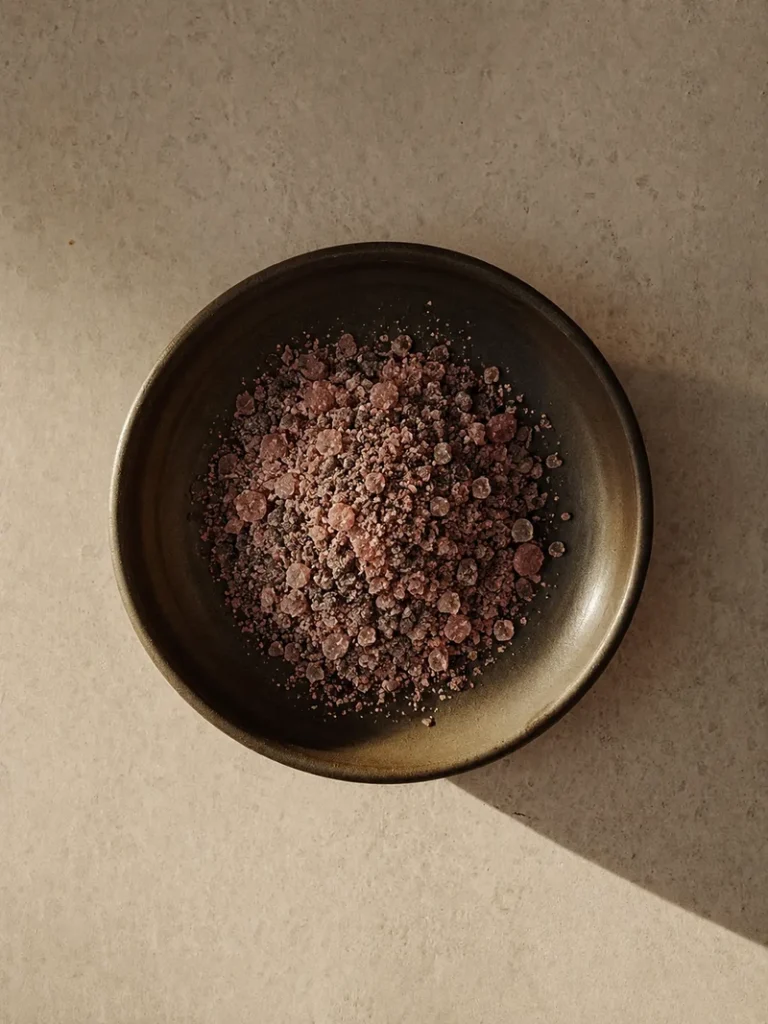
Kala namak is a type of Indian black salt with a distinctive sulfurous aroma and a savory, egg-like flavor. Despite being called black salt,it does not always look completely black. In its whole rock form, it can appear dark, brownish, or violet-grey, while once ground it often becomes pinkish, grey, or light purple. This is why many people are confused when they buy kala namak for the first time: the color may not match the name exactly, but the smell usually gives it away immediately.
What makes kala namak special is not only its saltiness, but its mineral and sulfurous complexity. Unlike regular table salt, it does not simply add salt to a dish. It adds character, depth, and that unmistakable “egg” note that makes it so valuable in vegan cooking.
Kala Namak And Its Benefits
Kala namak is often associated with digestive benefits, especially in South Asian and Ayurvedic traditions. Its sulfurous compounds are part of what gives it its distinctive aroma and flavor, and they are also the reason why it feels so different from regular table salt.
That said, kala namak should not be treated as a health supplement or a miracle ingredient. It is still salt, and like all salt, it should be used in moderation.
As explained by Health, kala namak may contain slightly less sodium than regular table salt, especially when measured by teaspoon, and it can retain small amounts of trace minerals such as iron, magnesium, and calcium.This can be seen as a small advantage, especially if you are looking for a less refined salt with a more complex mineral profile.
Its real benefit in vegan cooking is culinary. Kala namak helps recreate the savory, sulfurous, egg-like note that many plant-based recipes would otherwise miss.
Where to Buy Kala Namak
Kala namak is much easier to find today than it used to be. Because it has become so popular in vegan cooking, especially for recipes like tofu scramble, vegan egg salad, and chickpea omelets, you can now find it in many well-stocked supermarkets, organic food stores, vegan shops, and international grocery stores.
If you cannot find it in a regular supermarket, try looking in small health food shops, Indian grocery stores, Asian food markets, or specialty stores that sell niche ingredients. Since kala namak is widely used in South Asian cuisine, Indian grocery stores are often the best place to find it.
You can also buy kala namak online, which is usually the easiest option if you want to compare brands, formats, and prices. Here below, I am leaving a list of brands I have personally tried and liked, so you can choose one that works well for vegan cooking.
How to Use Kala Namak in Cooking
When I discovered kala namak, not that long ago, actually, probably in the last two year, a whole new world opened up for me.
Personally, I have never really enjoyed the smell of real eggs, so I did not feel the need to recreate the egg experience for myself. But I do believe that familiar flavors can help bring plant-based cooking closer to people who are still less convinced by it. And for that, this ingredient has been precious.
Kala namak makes it possible to build flavors and dishes that remind people of egg-based recipes, without using eggs at all. It helps create that sense of familiarity, that recognizable savory note, that little “I know this” feeling that can make vegan cooking feel less distant and more accessible.

Where to Add It
I suggest to use kala namak in recipes that would traditionally include eggs, or in plant-based dishes where we want to recreate that familiar egg-like flavor.
That said, I try not to use it everywhere. Its sulfurous taste is quite strong, and not every recipe needs it. Sometimes, adding kala namak can make a dish more interesting; other times, it can make the flavor feel too specific or too “eggy.”
For example, I use it generously in vegan scrambled eggs, where that egg-like note is exactly what the recipe needs. But I do not use it at all in my vegan mayonnaise, because I personally do not think it is necessary there.
The key is to understand what you want the ingredient to do. If you want to recreate the flavor of eggs, kala namak is incredibly useful. If you simply need saltiness or depth, regular salt, miso, nutritional yeast, tamari, or other savory ingredients may work better.
For the same reason, I do not use kala namak in sweet recipes that traditionally include eggs. In most desserts, the egg is not there because its flavor is needed, but because it helps bind, emulsify, or structure the recipe. In those cases, recreating an egg-like smell would not really make sense.
Kala namak is much more useful in savory recipes where the flavor of egg is actually part of the dish. For example, it works beautifully in salads where boiled eggs would traditionally be used. You can recreate a similar texture with mashed chickpeas, tofu, or blended legumes, and then add kala namak to bring in that recognizable egg-like note. In this kind of recipe, the sulfurous flavor has a purpose: it helps the plant-based version feel familiar without needing eggs at all.
When to Use Kala Namak
When you use kala namak is even more important than where you use it. This is because its sulfurous aroma can fade quite quickly, especially with heat. If you want to preserve the depth of its egg-like flavor, it is usually better to add it toward the end of the recipe, or even just before serving.
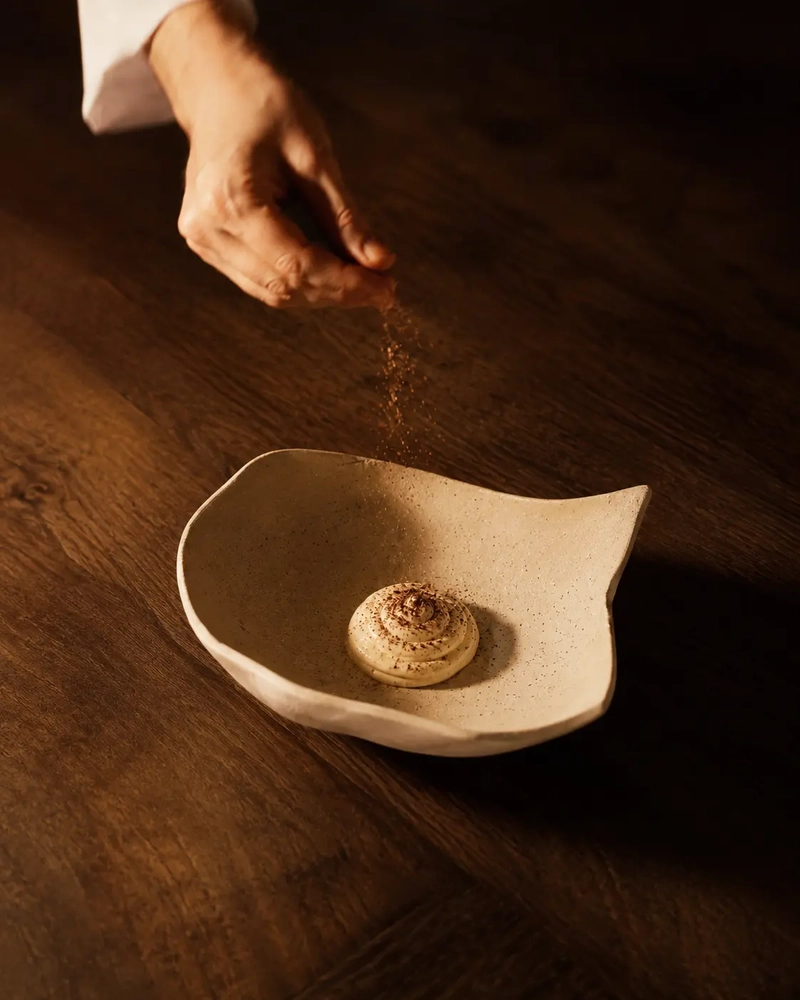
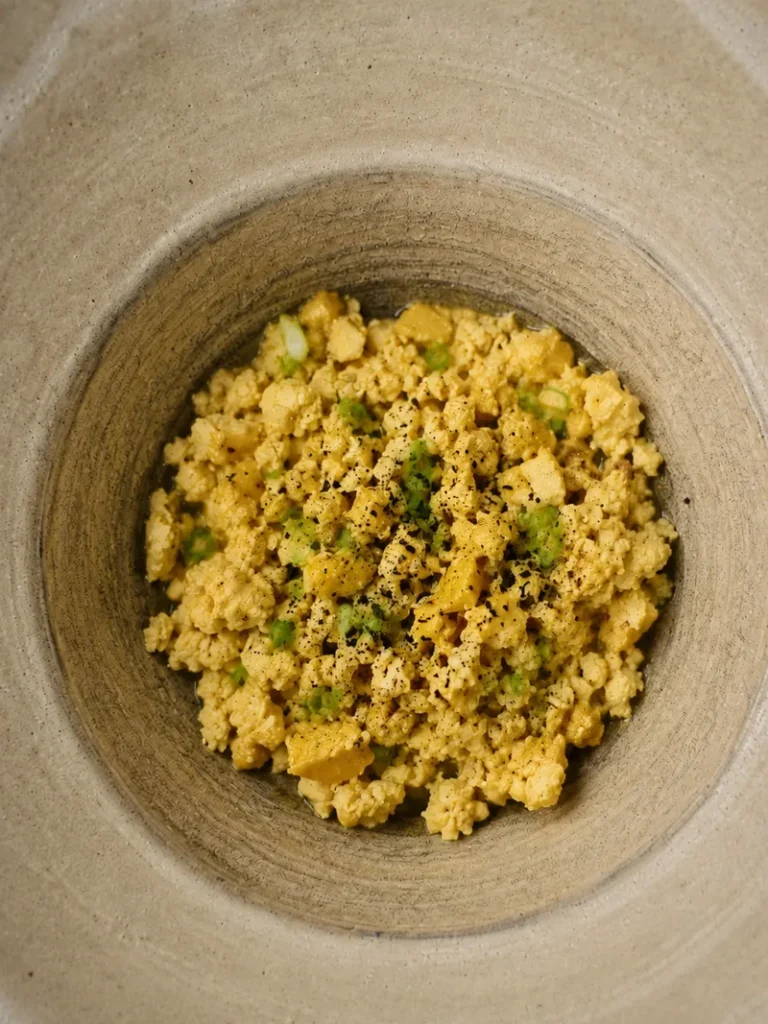
A good example is vegan scrambled eggs. Instead of adding kala namak only when preparing the creamy base, I also add a little more once the scramble is ready, right before serving. This helps bring back that distinctive egg-like aroma that may soften during cooking.
The same principle applies to vegan carbonara sauce. Carbonara is a classic Italian pasta sauce traditionally made with eggs, so kala namak can be very useful for recreating that familiar note. Personally, I do not add it only to the liquid sauce base. I prefer to add it directly to the pasta during the last minute of tossing, so the heat activates it slightly without making the sulfurous aroma disappear completely.
In short: use kala namak with intention, and do not be afraid to add a final pinch at the end. That is often when it works best.
How Much Kala Namak Should You Use?
The amount of kala namak to use is always a matter of balance. There is no fixed rule, because it depends on the recipe, the quantity of food, and how intense you want the sulfurous, egg-like flavor to be. Kala namak is quite distinctive, so it is always better to start small and adjust gradually.
As a general reference, I usually use about 1/2 teaspoon when I want a medium-intense egg-like flavor in a recipe. But I always recommend tasting and adjusting, because too much kala namak can quickly become overpowering.
The good thing is that kala namak can always be added at the end, and actually, it is often better that way. Since its sulfurous aroma can fade with heat, adding a final pinch just before serving allows you to control the intensity and keep the flavor more alive. Start with a small amount, taste, and then decide if the dish needs more. With kala namak, subtlety is usually more elegant than excess.
Recipe Ideas with Kala Namak
Cooking is free. It is a blank canvas, and we should always feel allowed to experiment, make mistakes, taste, adjust, and try again. The ideas below are just some of the most obvious ways to use kala namak in vegan cooking, especially when you want to recreate an egg-like flavor. But no one is stopping you from trying a pinch of kala namak on a slice of papaya, for example.
Sometimes the most interesting combinations happen when we stop treating ingredients as fixed rules and start treating them as possibilities.
Vegan Scrambled Eggs
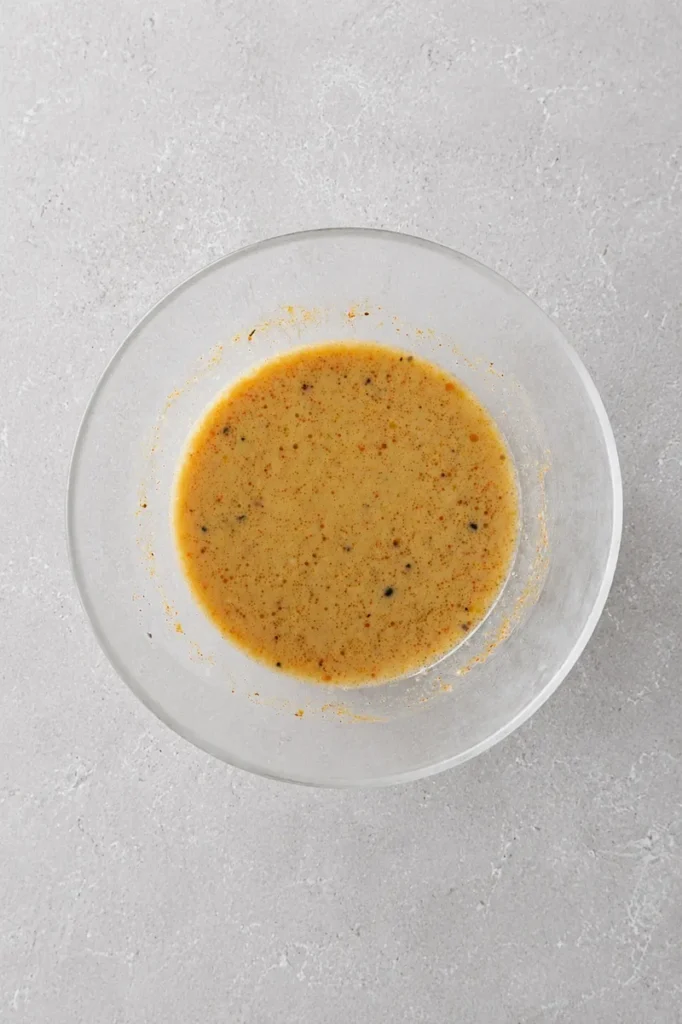
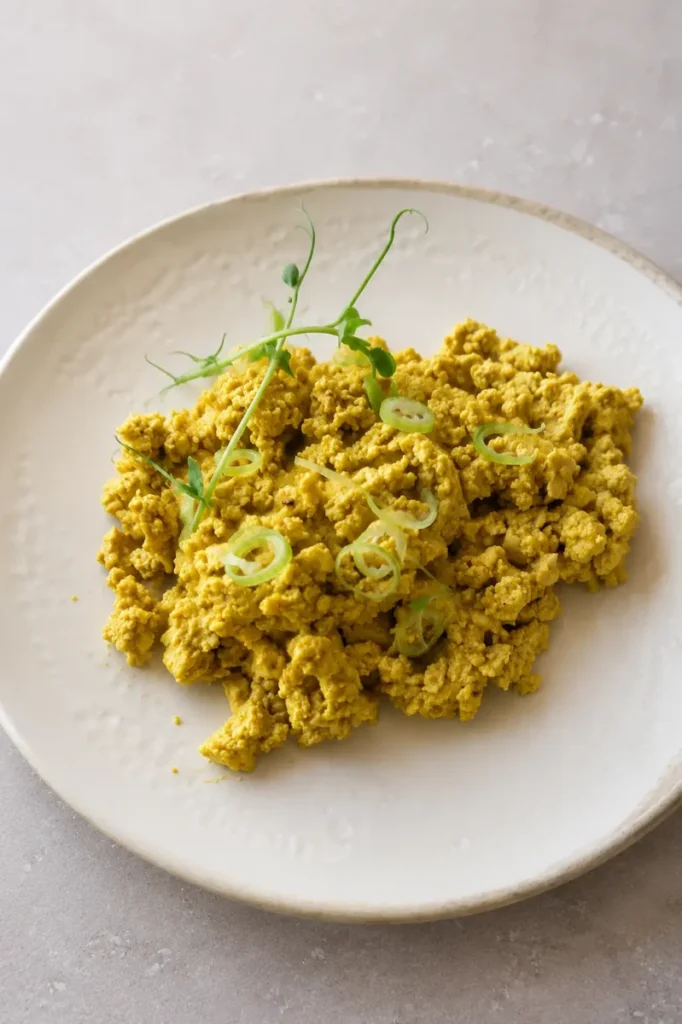
This is probably the most classic way to use kala namak. Add it to tofu scramble, chickpea scramble, or any vegan egg-style recipe to recreate that familiar egg-like flavor. For the best result, add a small pinch at the end, just before serving.
Vegan Egg Salad
Kala namak works beautifully in vegan egg salad, especially when combined with mashed chickpeas, tofu, or white beans. The texture gives the body, while kala namak gives that unmistakable boiled-egg note.
Chickpea Omelet
If you make omelets with chickpea flour, kala namak can make the flavor much more convincing. Add it to the batter, but also consider adding a tiny pinch at the end to keep the aroma alive.
Vegan Carbonara
Kala namak can be very useful in vegan carbonara, especially because traditional carbonara depends on eggs for part of its flavor. I prefer adding it during the last minute of tossing the pasta, rather than only inside the sauce.
Avocado Toast
A tiny pinch of kala namak on avocado toast can create a simple, savory breakfast that almost reminds you of egg toast, especially with black pepper, lemon, and chili flakes.
Vegan Mayo or Creamy Sauces
You can use kala namak in vegan mayo or creamy sauces if you want an egg-like flavor, but it is not always necessary. In some recipes, regular salt may be enough, especially if the sauce does not need to imitate eggs.
Potato Salad
Kala namak can work very well in vegan potato salad, especially if the traditional version would normally include boiled eggs. Add it with vegan mayo, or vegan aioli, mustard, herbs, and black pepper.
Rice and Indian-Inspired Dishes
Kala namak is also used in South Asian cooking, so it can be added to chaats, chutneys, raitas, rice dishes, and savory snacks where its mineral, sulfurous flavor feels natural and balanced.
FAQ’s
Kala namak is a simple ingredient, but it often creates many questions because its flavor is so unusual. It looks like salt, but it behaves almost like a seasoning, adding that distinctive sulfurous, egg-like aroma that can completely change a plant-based recipe.
Below, you will find the most common questions about kala namak. If you still have doubts or want to share how you use it in your own kitchen, feel free to leave a comment below.
Kala namak does not naturally contain significant amounts of iodine. Unlike iodized table salt, which has iodine added to it, kala namak is usually sold as a mineral salt and is not necessarily fortified. This means that if you rely on iodized salt as a source of iodine, kala namak should not be considered an equivalent replacement. Always check the label, because some brands may add iodine, but traditional kala namak is not typically used as an iodine source.
Yes, kala namak contains sodium. Even though kala namak may contain slightly less sodium than regular table salt depending on the grain size and how it is measured, it is still salt and should be used in moderation. Its main value in vegan cooking is not that it is a “healthier salt,” but that it adds a distinctive sulfurous, egg-like flavor that regular salt cannot recreate.
No, Himalayan pink salt and kala namak are not the same. They may look similar sometimes, especially because ground kala namak can appear pinkish, grey, or light purple, but they have very different flavors and uses. Himalayan pink salt has a clean, mineral, salty taste and is usually used like regular salt. Kala namak, instead, has a strong sulfurous aroma and an egg-like flavor, which is why it is so useful in vegan recipes.
Kala namak can be part of a healthy diet when used in moderation, but it should not be treated as a superfood or a health supplement. So, is kala namak healthy? It can be a useful and interesting ingredient, but it is still salt. Use it with balance, especially if you need to watch your sodium intake.
Kala namak comes from South Asia and is especially associated with Indian, Pakistani, Nepalese, and Bangladeshi cuisine.
It is often called Indian black salt or Himalayan black salt because it is traditionally connected to salt deposits from the Himalayan region and nearby areas. Today, it is also commonly processed and sold as a seasoning used in South Asian cooking.