The debate and doubts around silk are very similar to those around honey, because both are products that do not immediately give the impression of a species exploitation. But this perception is wrong. Silk is not vegan because it is a product that comes from the laborious work of silkworms and depends on their exploitation.
In this article, you will find useful information about what silk is, how it is produced, what role silkworms play in the process, why silk is not vegan, and which excellent alternatives you can use instead.
What Is Silk?
Silk is a natural fiber produced by certain insects, most commonly the silkworm, the larva of the silk moth. For centuries, silk has been associated with luxury, elegance, softness, and refinement. It is light, smooth, shiny, and delicate on the skin, which is why it has been used for clothing, scarves, bedding, lingerie, accessories, and high-end textiles.
But silk is not simply a beautiful fabric. It is an animal-derived material. The fiber comes from the cocoon that silkworms create around themselves before transforming into moths. In nature, this cocoon is part of their life cycle. In silk production, however, the cocoon becomes the raw material used to make fabric. And this is exactly where the ethical problem begins. Silk may look delicate and harmless, but it depends on the life and biological process of another living being.
How Is Silk Harvested?
The way silk is harvested makes the ethical problem very clear and removes almost any doubt. As PETA explains on its page dedicated to silk, silkworms are commonly boiled alive inside their cocoons. This happens especially in large-scale production, which is the kind of production needed to supply the mainstream fashion and textile industry.
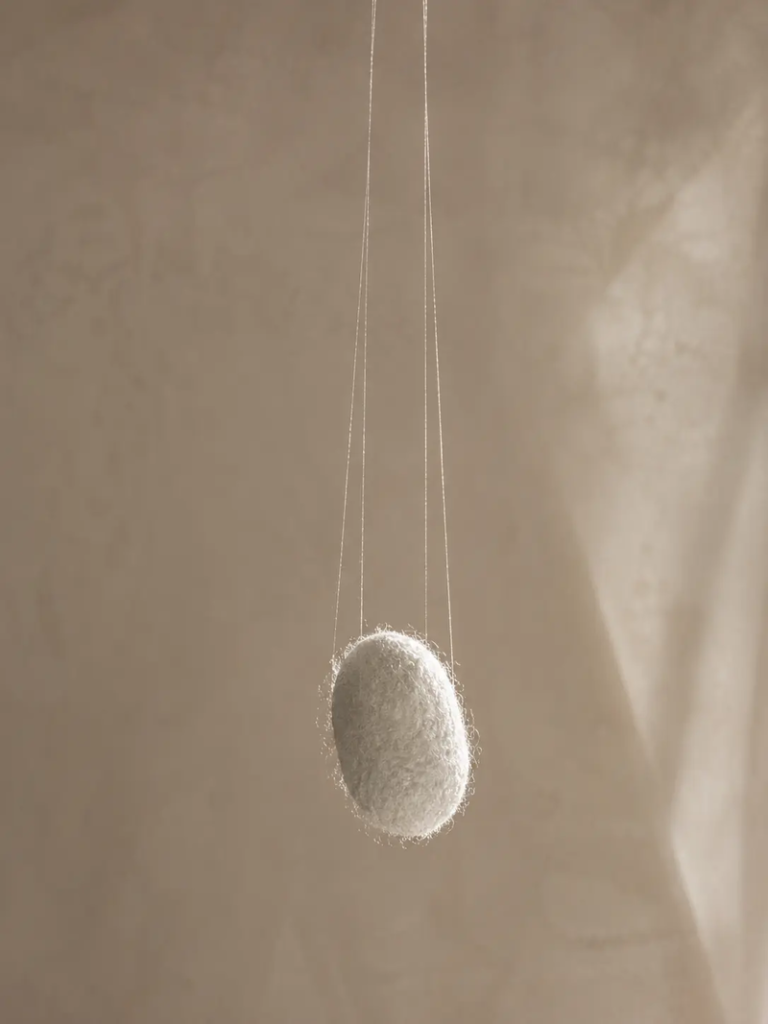
After feeding on mulberry leaves, the silkworm begins to spin a cocoon around its body. This cocoon is made from a long, continuous silk filament, held together by sericin, a natural gummy substance. In nature, the silkworm would eventually emerge from the cocoon as a moth. But in conventional silk production, this usually does not happen.
The cocoons are collected before the moth can come out. They are then placed in hot water or boiled. This kills the pupa inside and softens the cocoon, making it possible to find the end of the silk filament and unwind it in one long thread.
The reason why they do this is simple: if the moth breaks out naturally, the continuous filament is damaged. For the silk industry, an intact cocoon means a longer, smoother, more valuable thread.
Silk Is Not Vegan And This Is Why
Consider also that the silkworm’s life cycle is abruptly interrupted for the sole purpose of producing this fabric, which is, moreover, destined for a luxury market. Even though we are used to recognizing animal leather as a non-vegan product, while silk may feel less immediate, the two issues are essentially the same. Just as an animal is killed to make shoes from leather or suede, the silkworm is killed to make silk. This means that the vegan question is not only about food. It concerns all products that come from animal exploitation, from the imposed supremacy of our species, and from the mistaken and toxic belief that we can take possession of resources that belong to others.
The Bias of Smallness
There is also another aspect to consider: size. When an animal is very small, much smaller than we are, we often tend to perceive it as less important, less emotionally significant, almost less alive in a way. I believe this is a cognitive bias, and science could probably explain it better than I can, but it is certainly a distorted perception.
If someone accidentally hits a hare with a car, the emotional impact may feel much greater than if someone accidentally steps on an ant. And yet, the difference in our emotional reaction does not reflect the value of that life. It reflects the limits of our perception. The fact that a silkworm is tiny does not make its life irrelevant. Its smallness does not make its exploitation more acceptable. It only makes it easier for us not to look.
Is Mulberry Silk Vegan?
Don’t be confused by names and marketing. Mulberry silk is not a type of silk that does not involve silkworms. It is silk in every sense. It is simply produced by silkworms that are fed mulberry leaves, which help produce a very fine, smooth, and high-quality fiber.
But the ethical issue does not change. Mulberry silk still comes from silkworms. It still depends on their labor, their cocoons, and, in conventional production, the interruption of their life cycle.
Vegan Alternatives to Silk
During my last trip to Istanbul, I walked into a shop and saw a beautiful black set. It was so soft that I immediately assumed it was silk, so I decided not to buy it. When the sales assistant asked me why, I explained the vegan issue around silk. She immediately showed me that the fabric was not traditional silk, but vegan silk.
And honestly? Wow. I can assure you it felt even softer than silk produced by silkworms. The point is simple: we are in 2026, and there are excellent alternatives. Beautiful, soft, elegant alternatives. There are no excuses.
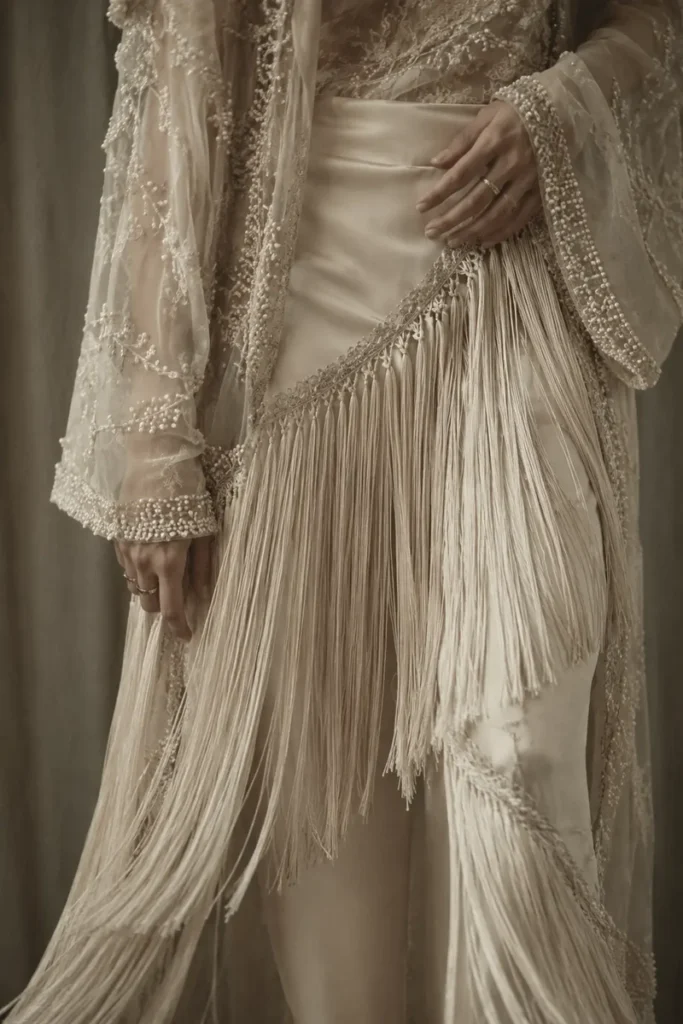
Vegan silk is not real silk. This is important to clarify because the word “silk” can be misleading. True silk, in the traditional sense, comes from silkworms. Vegan silk, instead, is a term used to describe fabrics that imitate the softness, fluidity, shine, or elegance of silk without using silkworms or any animal-derived material. It is a cruelty-free alternative designed to offer a similar aesthetic experience: something smooth, delicate, light, and refined, but without interrupting the life cycle of an animal.
This can include different materials, depending on the brand and the production method. Some vegan silk alternatives are made from plant-based fibers, such as bamboo, banana fiber, orange fiber, lotus fiber, or cupro. Others may be synthetic, such as satin made from polyester or other non-animal fibers.
FAQ’s
Silk can be confusing because it is often associated with beauty, softness, luxury, and tradition rather than animal exploitation. Below, you will find the most common questions about silk, silkworms, vegan silk, and cruelty-free alternatives. If you still have doubts or want me to clarify something else, feel free to leave a comment below.
Peace silk, sometimes called ahimsa silk, is often marketed as a more ethical type of silk because the moth may be allowed to emerge from the cocoon before the fiber is collected. However, I do not consider it vegan because it still involves the use and management of silkworms for human production.
Satin is not a fiber; it is a type of weave. This means satin can be made from silk, polyester, acetate, viscose, or other fibers. If satin is made from real silk, it is not vegan. If it is made from non-animal fibers, it can be vegan.
The best vegan alternatives to silk include cupro, bamboo silk, orange fiber, banana fiber, lotus fiber, TENCEL, viscose satin, and high-quality recycled polyester satin. The best option depends on what you are looking for: shine, softness, breathability, sustainability, or a luxury feel.
Modal itself is a plant-based fiber made from cellulose, usually from beech trees. However, if a fabric is described as “modal silk,” you should check whether it is simply a silky modal fabric or whether it is blended with real silk. If it contains real silk, it is not vegan.