Is being vegan healthy? Yes. When it is well planned, a vegan diet is not only healthy, it may be one of the most powerful dietary choices for long-term well-being.
Research increasingly supports plant-based diets for their benefits on the body, longevity, and the prevention of many chronic diseases. Studies have associated well-balanced vegan and plant-based eating patterns with better heart health, improved weight management, lower intake of saturated fat, higher fiber intake, and a reduced risk of several diet-related conditions.
But the answer is not only found in scientific papers. It is also found in the lived experience of people who feel lighter, more energized, more connected to what they eat, and more aligned with their values. In this article, I will also share part of my own experience, because for me veganism has never felt like deprivation. It has felt like clarity.
Of course, being vegan does not automatically mean eating well. This is true for every way of eating. A diet is shaped by daily choices, by variety, by nutrients, by the quality of ingredients, and by how intentionally we build our meals.
This is where the conversation becomes more interesting. Vegan eating is not only about what is removed, but about what is created: meals rich in color, texture, fiber, minerals, and intention. A bowl of lentils, roasted vegetables, tahini, herbs, and lemon tells a very different story from a diet made mostly of processed snacks and little variety.
In this article, we’ll look at what makes a vegan diet healthy, whether being vegan is healthier than eating meat, which nutrients deserve extra attention, and how to build balanced plant-based meals that feel complete, satisfying, and sustainable. We’ll also include links to scientific studies and trusted nutrition sources, so you can explore the evidence behind the health benefits of a vegan diet for yourself.
So, Is Being Vegan Healthy? A Lesson from the Blue Zones
Yes, being vegan can be extremely healthy, especially when the diet is built around whole plant foods rather than only around what is removed. A balanced vegan diet is not made of deprivation, but of abundance: vegetables, fruits, legumes, whole grains, nuts, seeds, herbs, healthy fats, and enough variety to support the body every day.
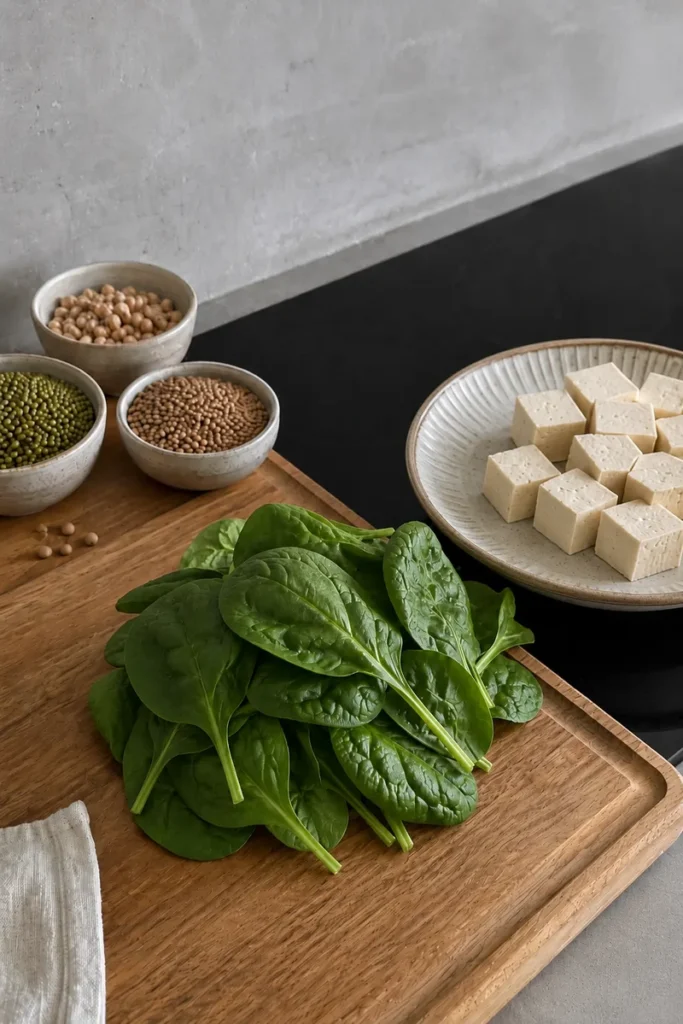
Legumes are especially important. Beans, lentils, chickpeas, peas, tofu, tempeh, and other soy foods can provide plant-based protein, fiber, minerals, and a sense of real satiety. When a vegan diet is built around these foods, it can become deeply nourishing, not only light or restrictive.
This is also where longevity research becomes interesting. In 2023, Netflix released the award-winning documentary series Live to 100: Secrets of the Blue Zones, hosted by National Geographic journalist Dan Buettner. The series explores the so-called Blue Zones of the world, regions where people live exceptionally long lives and where the chances of reaching 100 years old are significantly higher.
These places are geographically distant from one another, yet they share few lifestyle factors in common. Among them is a diet largely centered around plant foods, with legumes as one of the main sources of protein. Of course, diet is not the only factor. Movement, community, purpose, rhythm, and social connection also matter deeply. But plant-based eating is one of the recurring elements, so much so that Dan Buettner himself now strongly promotes a mostly plant-based way of eating.
So when we ask, “Is being vegan healthy?”, the most honest answer is not only yes. It is yes, when it is built with enough variety, enough nutrients, and enough real food to support the body fully. To explore this research more deeply, you can visit the official Blue Zones website, where the lifestyle principles behind these long-living communities are explained in detail.
Why Plant Foods Support Long-Term Health
The reason these foods are so strongly associated with health is not mysterious. Vegetables, legumes, whole grains, fruits, nuts, and seeds are naturally rich in fiber, vitamins, minerals, antioxidants, and protective plant compounds.
Fiber is especially important. It supports digestion, helps regulate blood sugar, contributes to satiety, and can support healthy cholesterol levels. This is one of the reasons why legumes such as beans, lentils, chickpeas, peas, tofu, and tempeh are so powerful: they offer both plant-based protein and fiber in the same food. According to Harvard’s Nutrition Source, legumes are an inexpensive source of protein, vitamins, complex carbohydrates, and fiber, which makes them one of the most valuable staples in a healthy diet.
In the Blue Zones, beans are often described as one of the cornerstones of longevity diets. The official Blue Zones website notes that beans are central in each Blue Zone food culture, from black beans in Nicoya to lentils and chickpeas in the Mediterranean and soybeans in Okinawa.
Vegetables and fruits add another layer of protection. They provide hydration, minerals, and a wide range of antioxidants and phytochemicals, compounds that help protect the body from oxidative stress and inflammation. Harvard’s Nutrition Source notes that diets rich in vegetables and fruits are associated with lower blood pressure and a lower risk of heart disease, stroke, some cancers, digestive problems, and blood sugar issues.
So the health of a vegan diet does not come only from avoiding animal products. It comes from what takes their place. When the plate is built around legumes, vegetables, whole grains, nuts, seeds, herbs, and healthy fats, vegan eating becomes abundant, protective, and deeply satisfying.
Is Being Vegan Healthier Than Eating Meat?
On PETA’s website, the answer, supported by a list of studies that you can find at the end of their article, is summarized as follows: “Being vegan is as good for humans’ health as it is for animal welfare. There is no nutritional need for humans to eat any animal product; all our dietary needs, even as infants and children, are best supplied by a meatless diet.”
It is now widely recognized that meat, especially red and processed meat, can raise important health concerns. Processed meat, in particular, has been classified as carcinogenic to humans, while red meat has been classified as probably carcinogenic. Industrially processed meat products may also contain additives, preservatives, high levels of salt, and other substances that many people prefer to limit in a health-conscious diet.
In many cases, a well-planned vegan diet can be healthier than a typical omnivorous diet, especially when the comparison is with a diet high in red meat, processed meat, saturated fat, and low in fiber.
But the real comparison should not be “vegan vs meat” in an abstract way. It should be between the quality of the two diets. A whole-food vegan diet rich in legumes, vegetables, whole grains, nuts, seeds, fruit, herbs, and healthy fats is very different from a poorly planned vegan diet based mostly on refined carbohydrates and ultra-processed foods. In the same way, an omnivorous diet can vary enormously depending on the amount and quality of animal products, vegetables, fiber, and processed foods.
A 2019 study published in The BMJ, based on large cohorts of men and women, found that increasing red meat consumption over an eight-year period was associated with a higher risk of mortality in the following eight years. Harvard T.H. Chan School of Public Health reported that increasing processed meat intake by at least half a serving per day was associated with a 13% higher risk of all-cause mortality, while the same increase in unprocessed red meat was associated with a 9% higher risk.
So the strongest answer is this: being vegan can be healthier than eating meat when it leads you toward more fiber, more plant diversity, less saturated fat, fewer processed meats, and a more intentional way of building your meals.
Is Being Vegan Healthier Than Eating Meat?
On PETA’s website, the answer, supported by a list of studies that you can find at the end of their article, is summarized as follows: “Being vegan is as good for humans’ health as it is for animal welfare. There is no nutritional need for humans to eat any animal product; all our dietary needs, even as infants and children, are best supplied by a meatless diet.”
It is now widely recognized that meat, especially red and processed meat, can raise important health concerns. Processed meat, in particular, has been classified as carcinogenic to humans, while red meat has been classified as probably carcinogenic. Industrially processed meat products may also contain additives, preservatives, high levels of salt, and other substances that many people prefer to limit in a health-conscious diet.
In many cases, a well-planned vegan diet can be healthier than a typical omnivorous diet, especially when the comparison is with a diet high in red meat, processed meat, saturated fat, and low in fiber.
But the real comparison should not be “vegan vs meat” in an abstract way. It should be between the quality of the two diets. A whole-food vegan diet rich in legumes, vegetables, whole grains, nuts, seeds, fruit, herbs, and healthy fats is very different from a poorly planned vegan diet based mostly on refined carbohydrates and ultra-processed foods. In the same way, an omnivorous diet can vary enormously depending on the amount and quality of animal products, vegetables, fiber, and processed foods.
A 2019 study published in The BMJ, based on large cohorts of men and women, found that increasing red meat consumption over an eight-year period was associated with a higher risk of mortality in the following eight years. Harvard T.H. Chan School of Public Health reported that increasing processed meat intake by at least half a serving per day was associated with a 13% higher risk of all-cause mortality, while the same increase in unprocessed red meat was associated with a 9% higher risk.
So the strongest answer is this: being vegan can be healthier than eating meat when it leads you toward more fiber, more plant diversity, less saturated fat, fewer processed meats, and a more intentional way of building your meals.
What Are You Really Eating When You Eat Meat?
When you eat a carrot, a lentil, a peach, or a potato, you are eating something that was planted, grown, harvested, and brought to the table. It comes from the soil, from water, from sunlight, from the quiet intelligence of the plant world.
But when you eat meat, what are you really eating? Meat is often presented to us as a neutral product: a steak, a slice, a fillet, a package in the supermarket. Clean, wrapped, labeled, separated from its origin. But meat is not just an ingredient. It is part of a body. It belonged to an animal that was born, raised, confined, handled, transported, and killed so that its flesh could become food.
This matters not only ethically, but also physically. Animal products do not arrive on the plate as pure, abstract protein. They come from biological bodies, from industrial systems, from farms, slaughterhouses, storage, transport, and processing chains. As PETA writes, “animal products contain harmful contaminants, including bacteria, arsenic, dioxins, and mercury, that can affect our health both in the short and long terms.”
Food safety organizations also recognize that raw meat, poultry, seafood, and eggs can carry germs and spread them to other foods if they are not handled properly. The CDC, for example, warns that raw meat, poultry, seafood, and eggs can spread germs to ready-to-eat foods through cross-contamination.
This does not mean that every piece of meat will make someone sick. But it does challenge the idea that meat is a clean, simple, necessary food. It is not just “protein.” It is animal tissue, shaped by the life of the animal, the conditions in which that animal was raised, the industrial process that turned its body into a product, and the substances that can accumulate through that chain.
There is also the issue of environmental contaminants. The World Health Organization explains that more than 90% of human exposure to dioxins comes through food, mainly meat and dairy products, fish, and shellfish. Dioxins are persistent environmental pollutants that can accumulate in the food chain and in animal fat.
So, when we compare a vegan diet with a meat-based diet, we are not simply comparing “plants” and “protein.” We are comparing two very different food systems, two different relationships with the body, the planet, and the living beings behind what we eat. A vegan diet is powerful because it asks a different question. Not only: what can I eat? But also: what am I participating in when I eat?
What About Vitamin B12?
One of the most common arguments against vegan diets is vitamin B12. And yes, vitamin B12 matters. It is essential for healthy blood, nerve function, and the nervous system. A vegan diet does not naturally provide reliable amounts of B12 unless it includes fortified foods or a supplement. This is not something to ignore or minimize.
But this does not make a vegan diet unhealthy. It simply means that a healthy vegan diet must be informed. Vitamin B12 is not produced by animals themselves. It is produced by microorganisms. In the past, B12 entered the food chain more naturally through soil, water, and bacterial activity. Today, however, our food systems are very different: soil is depleted, water is sanitized, and animal agriculture is highly controlled and industrialized.
This is the part that is often left out of the conversation: many farmed animals receive vitamin B12, or the minerals needed to produce it, through their feed or supplementation. So when people get B12 from meat, they are often getting it indirectly, through an animal who received support from the same supplementation system.
This changes the whole argument. If the B12 in meat often comes from supplementation given to the animal, why should we pass it through the body of another living being first? Why not skip that step and take B12 directly, through a reliable supplement or fortified food?
In this sense, taking vitamin B12 as a vegan is not a weakness. It is a more direct, transparent, and ethical way of meeting the same nutritional need. For anyone following a vegan diet, the practical answer is simple: take vitamin B12 seriously. Use a reliable supplement, include fortified foods if you like them, and check your levels when needed. A well-planned vegan diet is not a diet without B12. It is a diet that gets B12 consciously.
Is Being Vegan Healthy for Athletes?
Another common myth is that a vegan diet may be too light, too restrictive, or too low in protein for people who train, run, lift weights, or practice sport seriously.
But this idea is increasingly outdated. Recent research suggests that well-planned plant-based diets do not harm athletic performance and may even support certain aspects of it, especially endurance, blood flow, recovery, and cardiometabolic health. A 2024 systematic review and meta-analysis published in the British Journal of Nutrition found that plant-based diets may benefit aerobic performance and do not appear to compromise strength or power performance.
This makes sense when we look at what the body needs during training. Athletes need enough energy, carbohydrates to fuel movement, protein to repair and build muscle, minerals, antioxidants, hydration, and recovery support. A balanced vegan diet can provide these through legumes, tofu, tempeh, soy yogurt, whole grains, nuts, seeds, fruits, vegetables, and fortified foods.
The 2024 review on plant-based diets and sports performance also notes that plant-based diets may positively influence performance by improving blood flow, body composition, antioxidant intake, and cardiovascular health, though careful planning is still important for nutrients such as vitamin B12, iron, zinc, calcium, vitamin D, iodine, omega-3, and total protein intake.
And this is not only theoretical. Many high-level athletes have followed vegan or mostly plant-based diets, including names such as Venus Williams, Lewis Hamilton, Novak Djokovic, Alex Morgan, Scott Jurek, and Patrik Baboumian.
The Calcium Myth: Do We Really Need Milk and Cheese?
For many people, dairy products are still associated with calcium, strong bones, and “complete” nutrition. Milk and cheese have been presented for decades as almost necessary foods, especially for children, women, and anyone concerned about bone health. But calcium is not exclusive to dairy. It is a mineral, not an animal product.
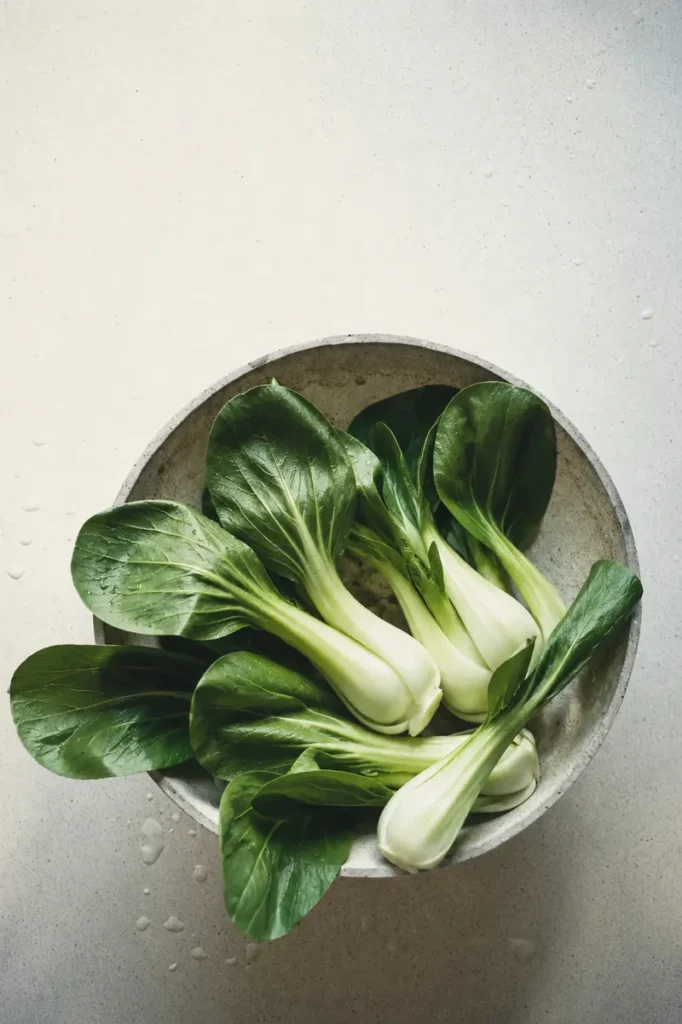
The body needs calcium for bones, teeth, muscles, nerves, and many essential functions, but it does not need that calcium to come specifically from cow’s milk or cheese. According to Harvard’s Nutrition Source, calcium can be found not only in dairy foods, but also in fortified plant-based milks, calcium-set tofu, edamame, almonds, and leafy greens such as kale and bok choy. Harvard also notes that one cup of cooked bok choy provides almost as much bioavailable calcium as one cup of milk, which challenges the idea that dairy is the only meaningful source of calcium.
Last, but definitely not least, their studies also notes that high dairy intake has been associated with some hormone-related cancers, including endometrial and prostate cancer, while dairy intake has been associated with lower colorectal cancer risk. A large BMJ cohort study found that high milk intake was associated with higher mortality in both women and men, and with higher fracture incidence in women. Because this was an observational study, it does not prove causation, but it does challenge the simplistic idea that drinking more milk automatically protects the bones.
This is the same principle we saw with vitamin B12: a vegan diet does not become unhealthy because it requires awareness. It becomes healthier when we stop treating old nutritional habits as absolute truths and start asking where nutrients actually come from. The question is not whether calcium matters. It does. The question is why we were taught to associate it almost exclusively with milk.
My Personal Experience: How Going Vegan Improved My Health
I have been vegetarian since birth. So yes, I have never eaten a piece of meat or fish in my life. I always disliked the smell, the idea, the whole concept of it. It simply never felt like something that belonged to me. What I did eat, however, were dairy products: cheese, milk, and other foods that I had grown up seeing as normal. If you want to know more about my personal story, you can read it in my bio.
When I became fully vegan, I stopped eating dairy completely, and my health changed in a way that was both absolute and unexpected. The full switch happened when I was 26 years old. I made that choice mainly for ethical reasons, so I was not looking for a physical transformation. I also considered myself relatively healthy, so I was not trying to “fix” anything. And yet, there was so much room to feel better. I only realized it afterward.
Better Digestion and Gut Health
The first thing that changed was my digestion. Before going fully plant-based, I often experienced little digestive discomfort. Nothing dramatic, but even after a simple lunch, it could take me hours and hours to digest, with that heavy, slow feeling that makes the body feel tired from the inside.
After switching to a fully plant-based diet, digestion became something that simply happens, quietly, without me noticing it. I am sure part of this also comes from the fact that learning about vegan nutrition introduced me to the power of fermented foods, from plant-based yogurts to miso, tempeh, sauerkraut, kimchi, and other foods that can support the gut and make meals feel more alive.
More Energy and Better Athletic Performance
The second thing that changed, and I believe this is also deeply connected to lighter, easier digestion, was my energy. I felt stronger. I felt less sleepy. I started waking up naturally at the same early hour in the morning, without needing an alarm.
And my athletic performance changed too. I run, and after becoming fully plant-based, my performance improved dramatically. What once felt tiring became more fluid, more possible, more natural. My body felt lighter, but not weaker. More awake, but not restless. Clearer, stronger, and much more responsive.
Faster Recovery and Stronger Resilience
Then there is recovery. I feel stronger, more resilient, almost like my body responds faster. Of course, I still catch the occasional seasonal cold, as everyone does. But compared to the past, I recover much more quickly, without too many lingering symptoms or that long, heavy aftermath that used to stay with me. Last winter, I traveled a lot in cold countries, and the worst cold I caught lasted about two days. In the past, my recovery periods were much longer.
Clearer Skin and a Younger Appearance
I also noticed changes in my skin. Today, my skin looks brighter, clearer, and younger than it used to. I no longer have breakouts, and, at the time of writing this article, I am 37 years old and I still do not really have wrinkles. I also no longer have the dark circles and dull complexion that I often had before.
A Lighter, More Regular Menstrual Cycle
My menstrual cycle also became more regular, less painful, and less symptomatic. Of course, it is still not exactly my favorite monthly event. Let’s say it remains about as charming as a pinecone in the wrong place. But honestly, there are months when I barely notice it. Sometimes I even forget it is coming.
Feeling Calmer and More Emotionally Balanced
I cannot say exactly how it happened, although I do believe it may be connected to gut health, digestion, and the complex relationship between the gut and the nervous system. But since becoming fully plant-based, I feel calmer. I manage stress with less anxiety, and I feel genuinely happier, even during moments that, objectively, could test anyone’s sense of joy.
I say this with real awareness, because I have struggled with anxiety for much of my life. Of course, I am not saying that a vegan diet is a cure for anxiety, or that food alone can explain every emotional change. Human beings are far too complex for that. But I do know what changed in my own body and mind. I feel more stable, more grounded, and less reactive. It is as if my internal system has become quieter, more able to return to balance.
Better Blood Work and Real Health Markers
My blood tests are currently excellent, and they have improved over time. My iron levels are much better now, perhaps also because I have learned how to combine plant-based sources of iron with vitamin C to support absorption. My good cholesterol, which used to be low, is now within the normal range. My electrolyte levels have also improved. They were already good before, but now they are even better.
My doctor believes these improvements are connected to my diet, together with an overall healthy lifestyle. I do not drink, I do not smoke, and I exercise regularly.
Of course, this is still my personal experience. One person’s blood work cannot replace scientific research. But I think it matters, because the conversation around vegan diets is often full of fear: fear of deficiencies, fear of weakness, fear of not getting enough. My experience has been the opposite. With attention, variety, and a well-planned plant-based diet, my body did not become depleted. It became stronger, more balanced, and more resilient.
Scientific References and Further Reading
Vegan Diets and General Health
Harvard T.H. Chan School of Public Health – Legumes and Pulses
An overview of legumes as a source of plant-based protein, fiber, complex carbohydrates, vitamins, and minerals, and their role in long-term health.
British Dietetic Association – Calcium
A practical guide to calcium needs and calcium-rich foods, including non-dairy sources such as fortified plant-based milks, calcium-set tofu, fortified soy yogurt, sesame seeds, tahini, beans, almonds, kale, and broccoli.
Harvard T.H. Chan School of Public Health – Calcium
A science-based overview of calcium, bone health, recommended intake, and dietary sources, including several plant-based and fortified options.
British Journal of Nutrition – Plant-Based Diets and Athletic Performance
A systematic review and meta-analysis on plant-based diets, aerobic performance, and strength/power outcomes in athletes.
PETA – Vegan Diets: Healthy and Humane
A vegan advocacy resource discussing the health and ethical reasons for avoiding animal products, with references to studies on plant-based nutrition and disease prevention.
Blue Zones and Longevity
Blue Zones – Official Website.
Live to 100: Secrets of the Blue Zones
Meat, Cancer, and Health Risks
BMJ – Red Meat Consumption and Mortality
A prospective cohort study on red meat intake and mortality, showing an association between increased red meat consumption and higher mortality risk over time.
CDC – Food Safety and Cross-Contamination
A public health guide explaining how raw animal products can carry germs and contaminate ready-to-eat foods when not handled safely.