This article contains affiliate links. If you purchase through them, INUMAMI may earn a small commission at no extra cost to you. We only recommend what we genuinely use and trust and your support means the world to us.
Vegan mayonnaise is one of those recipes that seems almost too easy, until you try to make it and it doesn’t come together the way you expected. The texture is off, the flavor feels flat, it splits, or it simply refuses to emulsify. And at that point, you give up and buy it ready-made. But store-bought vegan mayonnaise is never quite the same. Often expensive, the range of flavors is surprisingly limited.
A good vegan mayonnaise is smooth, stable, and incredibly satisfying. It becomes the base of countless recipes, from dressings to sauces. And while you may start with a simple version, once you begin to master it, you discover just how many ways there are to transform it.
In this recipe, you’ll learn exactly what vegan mayonnaise is, what ingredients go into it, and how to make it step by step. More importantly, you’ll understand how to control the texture and fix it if something goes wrong, so it turns out right. Every time.
Is Mayonnaise Vegan?
Traditional mayonnaise is not vegan. It’s made by emulsifying oil with egg yolks, which act as the binding agent that gives it its characteristic thickness and stability.
The origins of mayonnaise, the sauce that would go on to become a staple in kitchens around the world, are somewhat uncertain. One of the most well-known stories places its birth in the city of Mahón, in Menorca, where a cook is said to have created it by emulsifying egg yolks with oil for a banquet held in honor of the Marquise de Pompadour.
If you’d like to explore this story in more depth, you can read the fascinating history of mayonnaise’s origins in Slate’s feature on the subject.
In its traditional form, the only ingredient of animal origin in mayonnaise is the egg. Egg yolks play a crucial role: they act as an emulsifier, meaning they bind together oil and water-based ingredients (like lemon juice or vinegar), creating the smooth, stable texture that defines the sauce. In vegan mayonnaise, this is the only element that needs to be replaced, while preserving the same structure and balance.
How to Make Vegan Mayonnaise
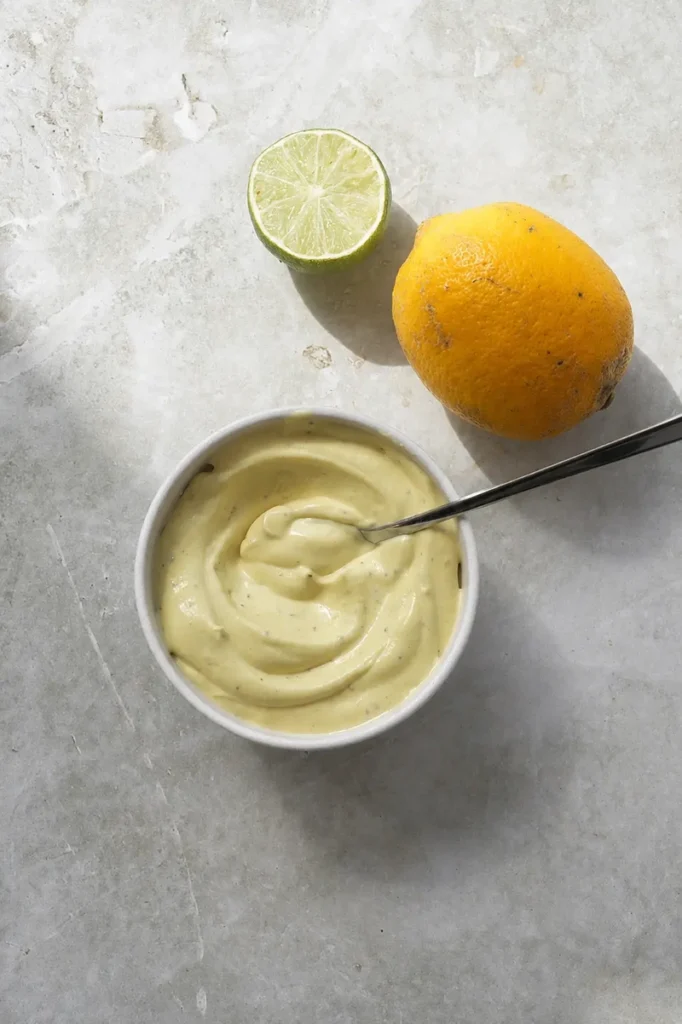
Vegan mayonnaise is made without eggs by using plant-based ingredients that can create a stable emulsion, most commonly soy milk or aquafaba. These ingredients contain natural compounds that help bind oil and liquid together, replicating the role of egg yolks in traditional mayonnaise.To learn more about how different plant-based ingredients can perform the same functions in cooking and baking, read my complete guide to eggs substitutions.
In classic mayonnaise, egg yolks act as an emulsifier, allowing oil and water-based ingredients to combine into a smooth, cohesive sauce. Without this element, the mixture would separate. In vegan mayonnaise, we recreate this same structure using plant-based alternatives. There are several ways to do this, but one of the simplest and most reliable methods, and the one we’ll use in this recipe, is based on plant milk, particularly soy milk.
We’ll use soy milk here because it is easier to work with and more consistent, making it ideal for a recipe designed to support you and give you a reliable result from the very first try. The main alternative is aquafaba, the liquid from cooked chickpeas, which can also create a stable emulsion and is often used as a substitute for egg-based preparations.
Soy milk works especially well because it naturally contains proteins and lecithin, compounds that stabilize emulsions. These act in a similar way to egg yolks, allowing the oil to disperse evenly into the liquid and form a thick, stable texture.
When blended with oil and an acid such as lemon juice or vinegar, soy milk creates a smooth, creamy mayonnaise that closely mimics the traditional version, while remaining entirely plant-based.
What Are the Ingredients in Vegan Mayonnaise?
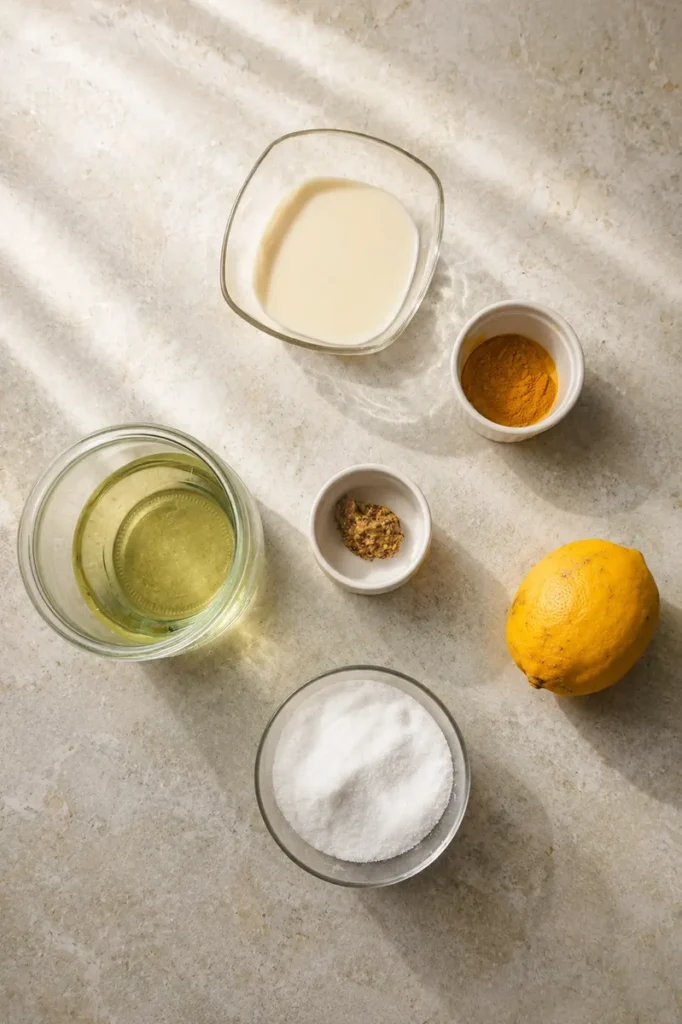
Vegan mayonnaise is made with a small number of simple ingredients that work together to create a smooth and stable emulsion.
The essential ingredients are:
- Oil – usually a neutral oil such as sunflower or vegetable oil, which provides richness and structure
- Plant-based liquid – most commonly soy milk or aquafaba, which helps form the emulsion
- Acid – such as lemon juice or vinegar, which balances the flavor and stabilizes the mixture
- Mustard – adds depth of flavor and also supports the emulsification process
- Salt – enhances and rounds out the taste
Is Vegan Mayonnaise Healthy?
Vegan mayonnaise can be a healthier choice than traditional mayonnaise in some ways. It still depends on the ingredients and how you use it. Homemade vegan mayonnaise is generally a healthier option than store-bought versions, as it contains no preservatives and is made with ingredients you can choose and control.
However, vegan mayonnaise is still primarily made from oil, which means it remains high in fat and calories. For this reason, it should be used in moderation, just like traditional mayonnaise.
The real difference lies in the quality of the ingredients. A homemade version, made with a good oil, fresh lemon juice, and unsweetened soy milk, offers a cleaner flavor and avoids the additives often found in industrial products. So, is vegan mayonnaise healthier? It can be, especially when made at home and used thoughtfully, but it is best understood not as a “light” option, but as a more conscious one.
Why Vegan Mayonnaise Doesn’t Work (and How to Fix It)
Even though vegan mayonnaise is simple to make, small details can affect the final result. Understanding what went wrong allows you to fix it, and, over time, to fully master the process.
| Problem | What Happened | How to Fix It |
| The mayonnaise is too runny | The emulsion didn’t form properly, often because the oil wasn’t incorporated correctly | Start again by blending a small amount of soy milk, then slowly add the failed mixture while blending to re-emulsify |
| It split or separated | The ingredients didn’t bind, often due to incorrect ratios or movement of the blender | Keep the blender still at the bottom at the start, and make sure the oil-to-liquid ratio is correct |
| It didn’t thicken | Not enough oil, or the ingredients were too cold | Add more oil gradually while blending, and use ingredients at room temperature |
| The texture is too thick | Too much oil compared to liquid | Add a small amount of soy milk or water and blend again until smooth |
| The taste is flat | Not enough acid or salt | Adjust with lemon juice, vinegar, or a pinch of salt to balance the flavor |
| The flavor is too strong or bitter | The oil used is too intense (e.g. extra virgin olive oil) | Use a neutral oil or mix olive oil with a milder one |
Vegan Mayonnaise Substitutes (Milk, Oil & Ingredient Options)
Vegan mayonnaise is a flexible recipe, but not all substitutions behave in the same way. Some ingredients can be replaced easily, while others require a bit more attention to maintain a stable emulsion.
What to Use Instead of Soy Milk
Soy milk is the most reliable option because of its protein and lecithin content, which help create a stable emulsion. When using alternatives, the result may be slightly less thick or require more care during blending. If you can’t use soy milk, you can try:
- Aquafaba – the best alternative, as it mimics the structure of egg whites and emulsifies very well
- Almond milk – works occasionally, but results can be less stable
- Oat milk – generally too light to emulsify properly, unless you use a barista-style version
Which Oils Work Best for Vegan Mayonnaise?
Oil plays a major role in both texture and flavor. For the best results, use:
- Neutral oils (sunflower, vegetable, canola) – smooth, balanced, and stable
- Light olive oil – works well if you want a slightly richer taste
Use with caution:
- Extra virgin olive oil – can become bitter when blended and may overpower the flavor
A good option is to combine a neutral oil with a small amount of olive oil to balance taste and stability.
Can You Change the Acid?
Yes, this is where you can subtly adjust the flavor.
- Lemon juice → fresher, lighter taste
- Rice vinegar → sharper, more classic profile
- Apple cider vinegar → slightly rounder and softer
How to Make Vegan Mayonnaise (Step-by-Step)
The full recipe, with exact measurements and timings, is available in the recipe card below. What follows is a step-by-step guide to help you understand the process and get the texture right every time.
Step 1
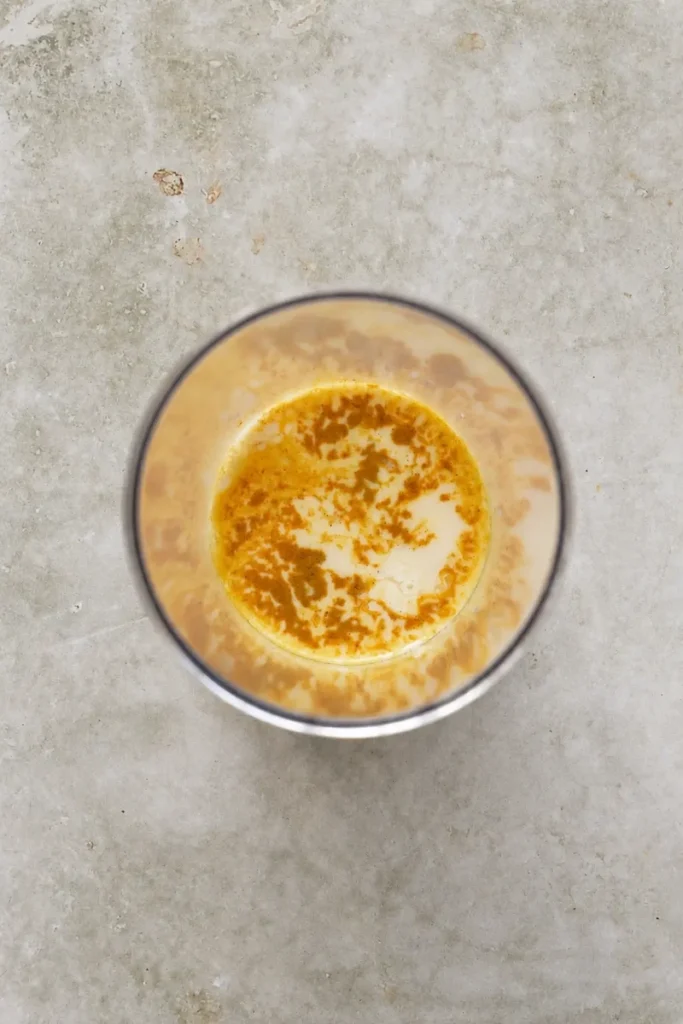
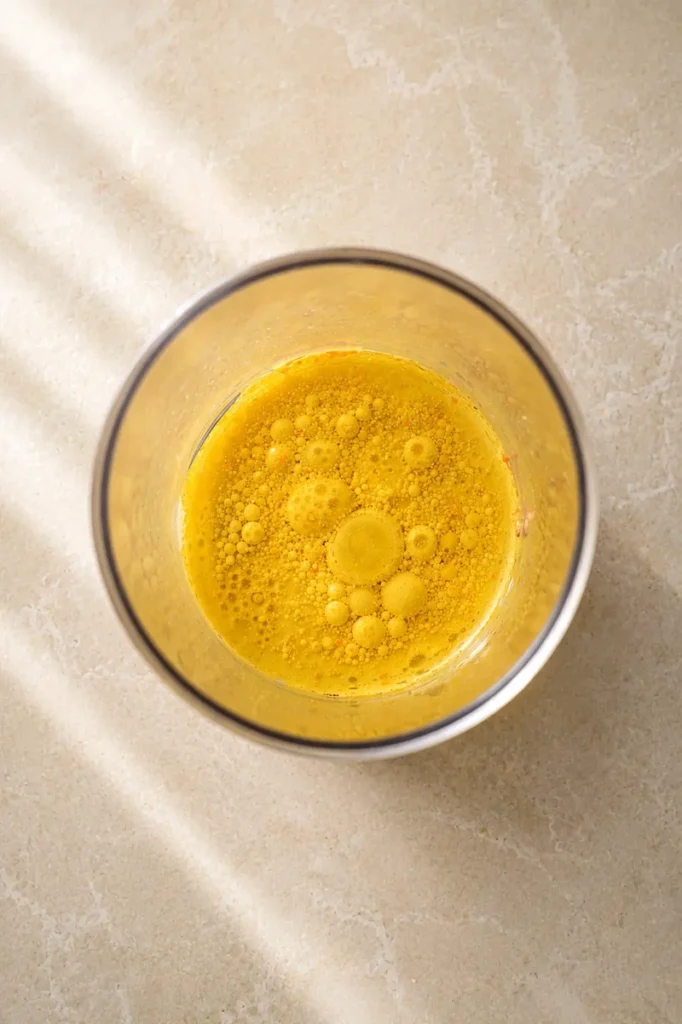
Start by adding the soy milk, salt, turmeric ( for the color), lemon juice, and mustard to a tall container. Stir them briefly with a spoon, there’s no need for precision at this stage. Then add the oil.
Step 2
Place the immersion blender at the bottom of the container and turn it on, keeping it completely still for about 5 seconds. This allows the emulsion to begin forming at the base. After 5 seconds, begin moving the blender gently up and down, so that all the oil is gradually incorporated and the texture develops evenly.
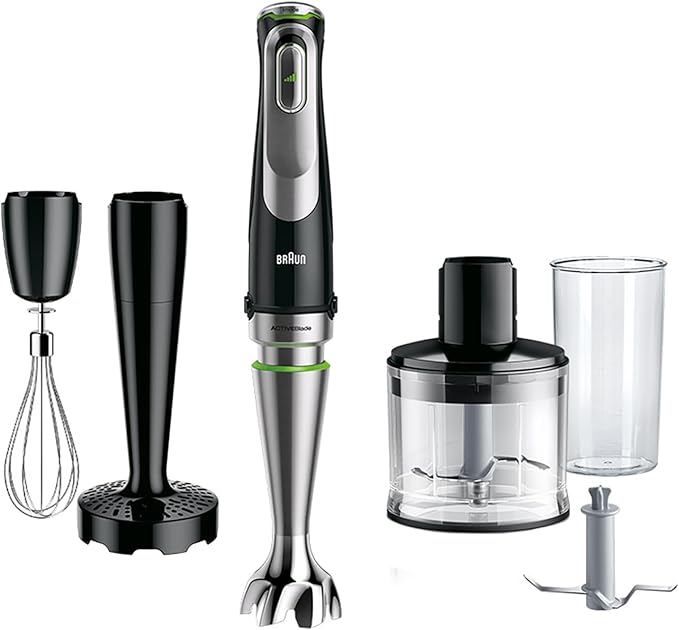
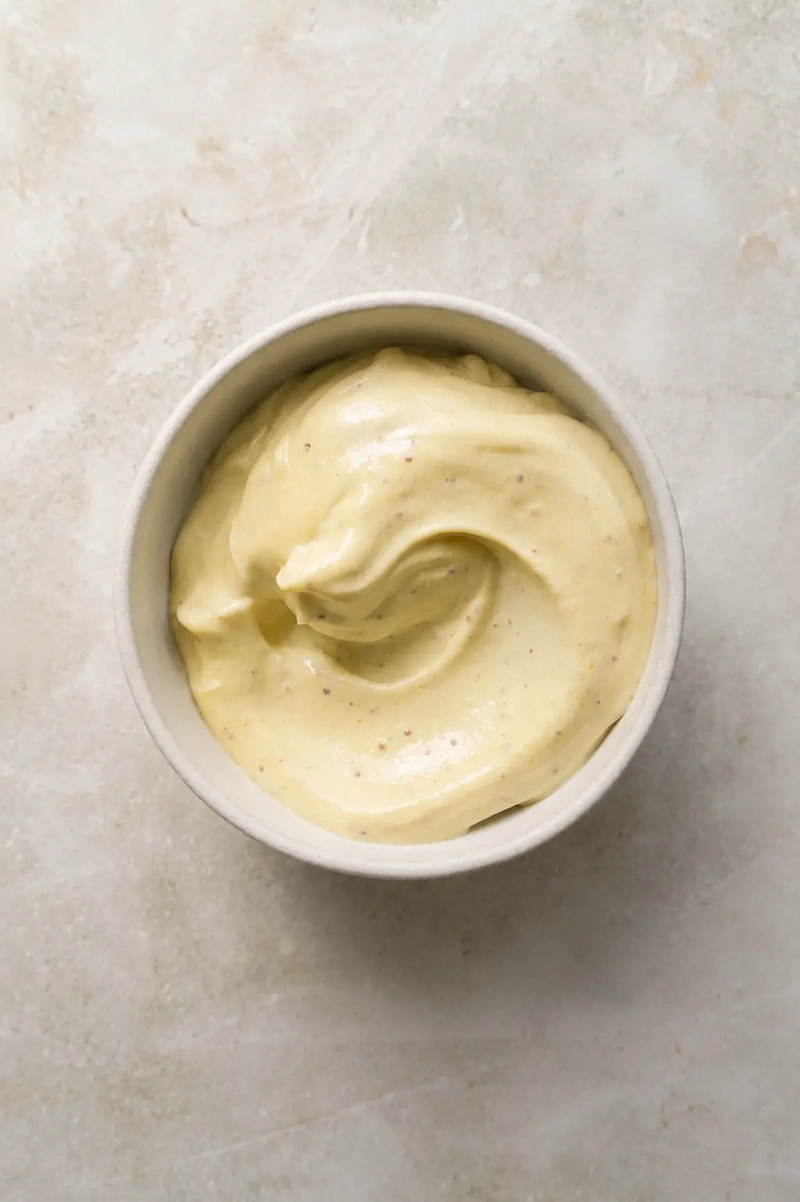
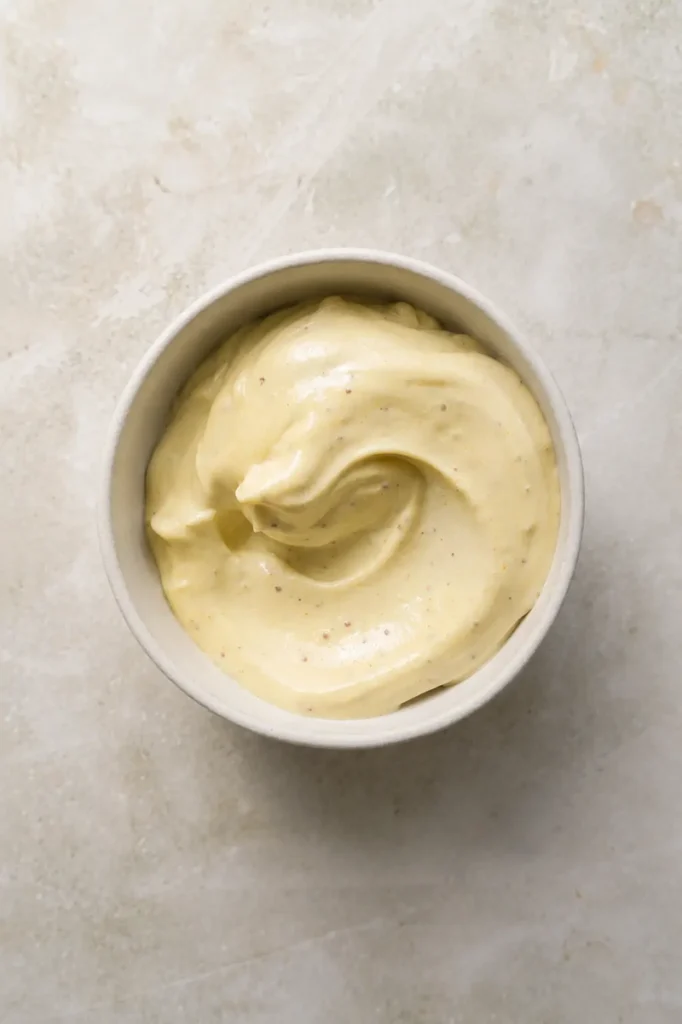
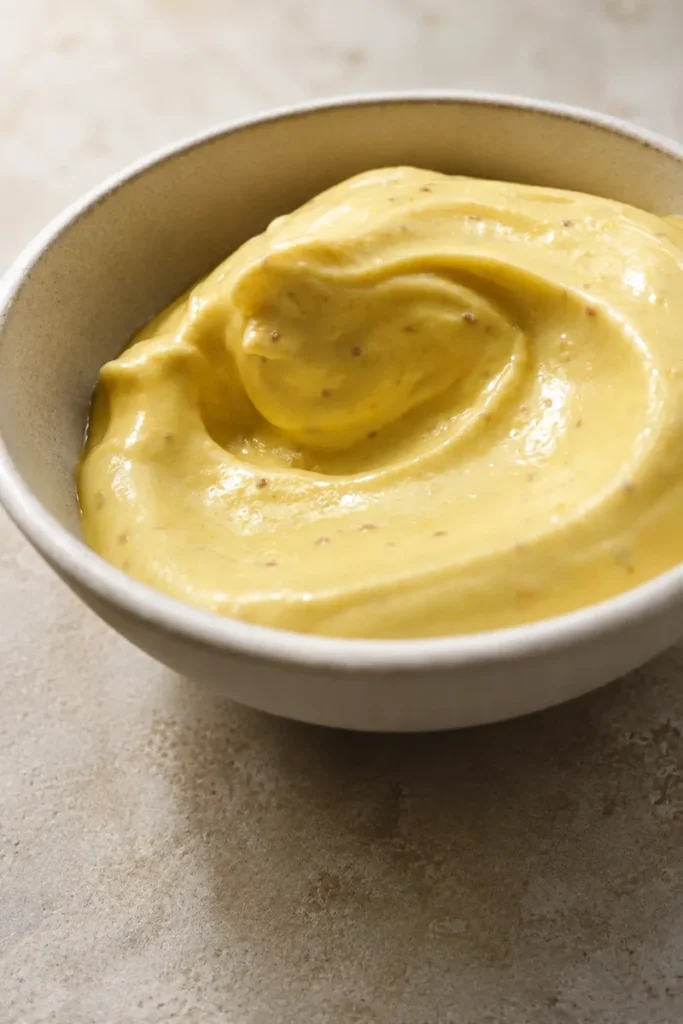
The transformation is almost immediate: the mixture turns from liquid to dense and creamy in a matter of seconds. If done correctly, the result is a smooth, stable mayonnaise that holds its shape and has a clean, balanced flavor.
How to Adjust the Texture of Vegan Mayonnaise
One of the advantages of making vegan mayonnaise at home is that you can adjust the texture depending on how you plan to use it.
If you prefer a lighter, more fluid consistency, ideal for dressings or to blend into sauces, you can simply reduce the amount of oil or stop blending slightly earlier. For a thicker, more structured mayonnaise, perfect for spreads or fillings, you can add a little more oil and continue blending until it reaches the desired density.
This flexibility allows you to adapt the recipe to each preparation, rather than relying on a single fixed result. Once you understand how to control the texture, vegan mayonnaise becomes more than just a sauce, it becomes a base you can shape and transform depending on what you need.
How to Use Vegan Mayonnaise
Vegan mayonnaise is, first of all, a sauce, and that is exactly what makes it so versatile. Once you have a smooth, stable base, you can use it almost anywhere you need creaminess, moisture, or a more rounded flavor.
As a Sauce for Protein-Rich Dishes
Serve vegan mayonnaise with plant-based mains such as vegan schnitzel, crispy tofu, tempeh, or veggie patties. Its creamy texture balances crispy or savory preparations and makes the plate feel more complete. It works especially well with vegetables like roasted green beans, grilled zucchini, or a fresh salad.
In Salads and Cold Dishes
Vegan mayonnaise is also an essential ingredient in many creamy salads and cold dishes. Try it in my Vegan Waldorf Salad, where it brings together crisp apples, celery, and red grapes, while preserving the fresh texture of the original recipe. You can also use it in potato salad, coleslaw, pasta salad, or as the base for a creamy salad dressing.
As Part of an Appetizer Platter
You can also serve vegan mayonnaise as part of an appetizer platter, alongside other dips and sauces. Try creating a simple trio with pink hummus, vegan aioli, and this homemade vegan mayo. Each one brings something different: the mayo is creamy and neutral, the aioli is garlicky and savory, while the pink hummus adds color, freshness, and body.
In Sandwiches, Wraps, and Burgers
Vegan mayonnaise is also perfect inside sandwiches, wraps, and burgers. It adds moisture, richness, and a smooth texture that helps the ingredients come together without overpowering the rest of the dish.
FAQ’S
Here are the most common questions about vegan mayonnaise, from substitutions and storage to texture, calories, and how to make it without soy. If you don’t find the answer you’re looking for, feel free to leave it in the comments and we’ll be happy to help.
Yes, vegan mayonnaise can be made without soy by using aquafaba, the liquid from cooked chickpeas. It is the most effective alternative and creates a stable, creamy result. You can also use other plant-based milks, but for best results it’s recommended to choose barista-style versions, as they are formulated to foam and hold structure. These tend to create a more stable emulsion and a creamier texture compared to regular plant milks.
If you don’t have vegan mayonnaise, you can use alternatives depending on the recipe. Blended avocado, cashew cream, or dairy-free yogurt can work in some preparations, although they will not fully replicate the texture and stability of mayonnaise.
Homemade vegan mayonnaise can be stored in the refrigerator for about 4–5 days in an airtight container. Because it contains no preservatives, it’s best consumed fresh.
Yes, vegan mayonnaise is relatively high in calories, as it is primarily made from oil. On average, vegan mayonnaise contains around 600–700 calories per 100 grams, depending on the type and amount of oil used. This is similar to traditional mayonnaise. However, when made at home, you have more control over the ingredients and can adjust the quantity and type of oil to create a lighter or richer version, depending on your needs.
Vegan mayonnaise can be considered a more mindful alternative, but whether it is “healthy” depends on how it is made and how it is used. Like any mayonnaise, it is primarily oil-based, which means it is naturally rich and calorie-dense. However, when prepared at home, you can choose high-quality ingredients, avoid additives, and adjust the recipe to suit your needs. Compared to many store-bought versions, a homemade vegan mayonnaise offers a cleaner and more controlled option. So rather than being a “light” sauce, it is better understood as a more intentional one.
Vegan Mayonnaise: A Foolproof Recipe + How to Get It Perfect
Equipment
- 1 Tall narrow container or jar
Ingredients
- ¼ cup unsweetened soy milk
- ½ cup neutral oil, such as sunflower, canola, or vegetable oil
- 1 tsp Lemon Juice
- ½ tsp Mustard
- ¼ tsp Sea Salt or To Taste
- 1 pinch Tumeric Optional, for the color
Instructions
- Add the soy milk, lemon juice, mustard, salt, and turmeric if using to a tall, narrow container or jar.
- Pour the oil on top of the soy milk mixture. Do not stir.
- Place the immersion blender at the bottom of the container. Turn it on and keep it still for about 5 seconds, until the mayonnaise starts to emulsify at the base.
- Slowly move the blender up and down to incorporate the oil gradually, until the mixture becomes thick, smooth, and creamy.
- Taste and adjust with more salt, lemon juice, or mustard if needed.
- Transfer the vegan mayonnaise to an airtight jar or container and refrigerate. The texture may thicken slightly as it rests.
Notes
Store the vegan mayonnaise in an airtight jar or container in the refrigerator for up to 4–5 days. Because it is homemade and contains no preservatives, it is best enjoyed fresh. The texture may thicken slightly as it rests; stir well before using. Nutrition Note:
The nutritional information is an estimate and may vary depending on the exact oil, soy milk, mustard, and quantities used. For the most accurate result, adjust the calculation based on the specific products and amounts you choose. Recipe Testing Note:
All recipes on this site, including this vegan mayonnaise, are tested before publication. The photos are original and taken during the actual recipe testing process, so they reflect the real final dish prepared in our kitchen. Substitutions Note:
If you’d like to try ingredient substitutions or different variations, you can find all the suggested options in the dedicated sections above the recipe card.
Nutrition