At INUMAMI, every recipe is plant-based, gluten-free and free from refined sugar. We believe in a way of cooking that brings together flavour, creativity and nourishment, creating food that feels as good as it tastes.
This article contains affiliate links. If you purchase through them, INUMAMI may earn a small commission at no extra cost to you. We only recommend what we genuinely use and trust and your support means the world to us.
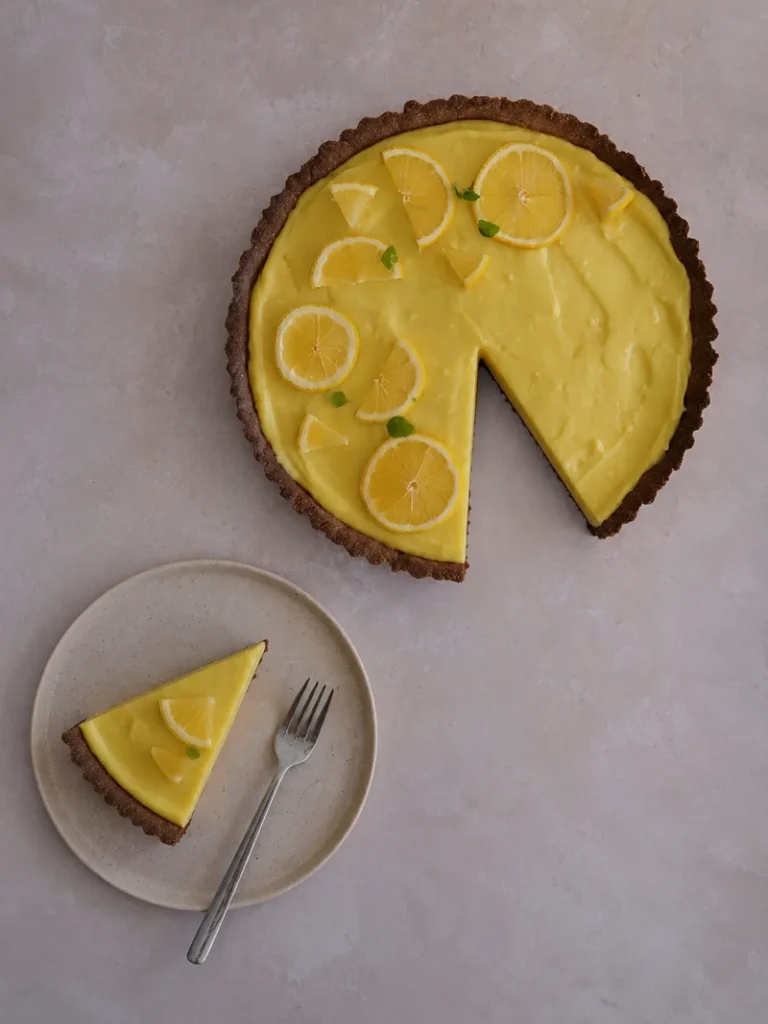
Making a vegan, gluten-free lemon curd without refined sugar is not only possible, but much easier than you might think. I originally created this recipe for my classic vegan lemon tart, but there are so many other delicious ways to use it. Spoon it over a slice of a vegan French toast, use it to decorate a lemon cheesecake, or simply enjoy it with a batch of oat cookies.
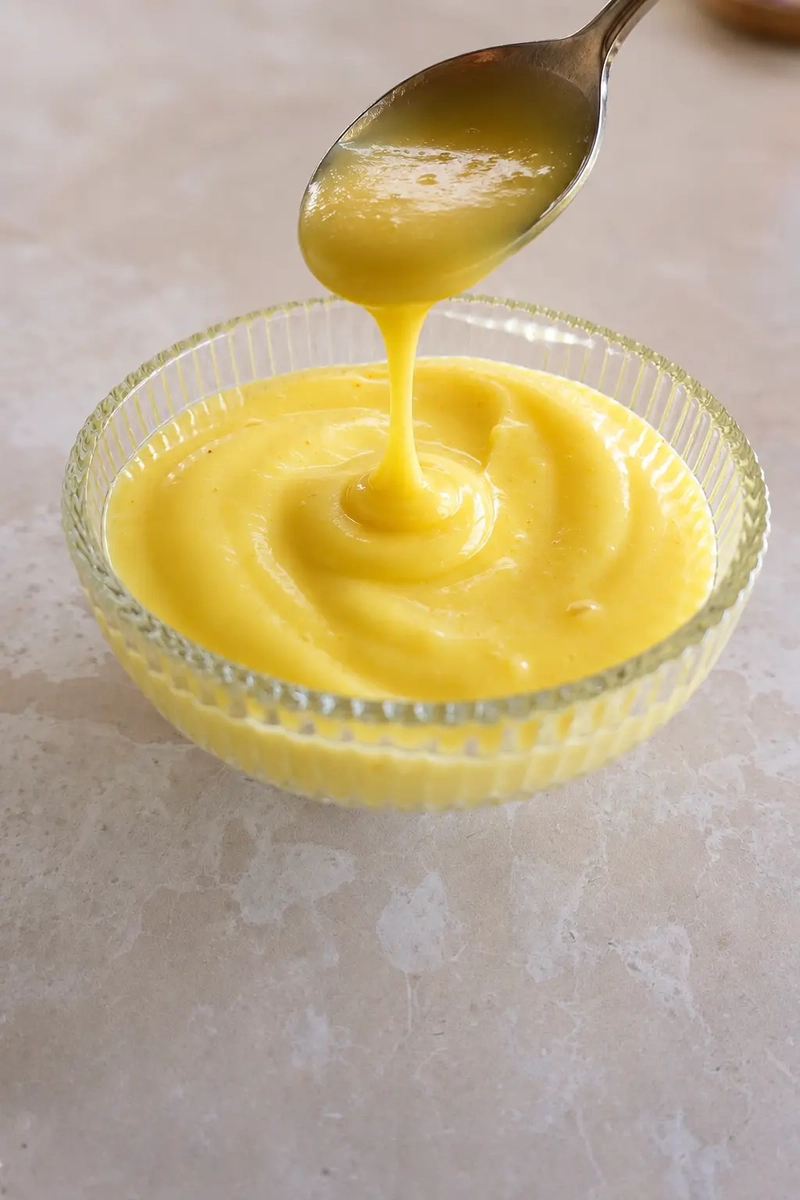
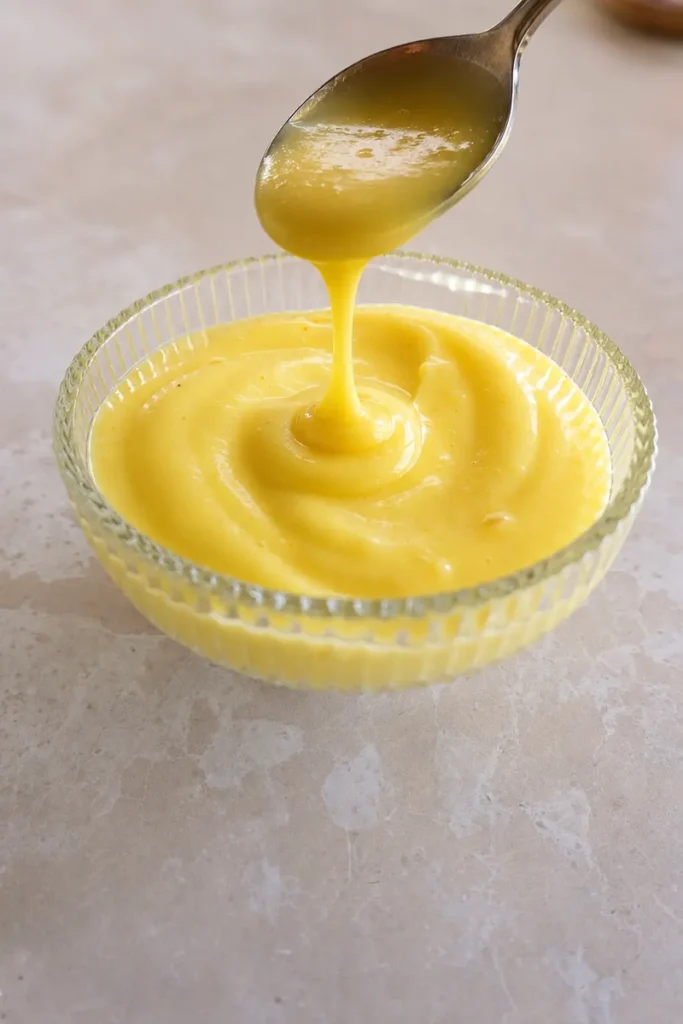
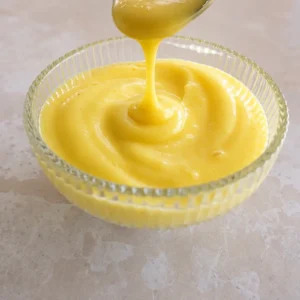
What may surprise you most is its beautifully creamy texture: it is completely smooth, free from lumps and considerably lighter than traditional lemon curd.
In this recipe, you will find everything you need to make a bright, silky vegan lemon curd that is naturally gluten-free and free from refined sugar, yet every bit as sweet and delicious ( and ethical).
Why This Vegan Lemon Curd Works
Lemon curd is a classic British recipe with an intense citrus flavour, traditionally made with both lemon juice and zest. The original version relies on eggs and butter, which give it its rich, creamy texture.
In plant-based cooking, however, animal-derived ingredients can be replaced thoughtfully and effectively. You can find detailed guidance in my two dedicated guides to egg substitutes and vegan butter alternatives.
This vegan lemon curd does not need eggs to become smooth and creamy, as it uses starch to thicken the mixture. It does not require butter either. The result is silky, vibrant and deeply lemony, while also being easier to prepare than the traditional version.
The same principle is used in my vegan crème anglaise, where cornstarch replaces the thickening power of egg yolks while keeping the sauce smooth, delicate, and perfectly pourable.
My version is also free from refined sugar, making it a healthier alternative without sacrificing sweetness or flavour. Its consistency can easily be adjusted depending on how you plan to use it: slightly softer as a sauce or spread, or thicker when used as a filling for tarts and other desserts. This version is particularly well suited to vegan lemon tarts, but it also works beautifully as a spoonable dessert cream or accompaniment.
And if you are wondering whether being vegan is healthy, yes, it is. I wrote an entire article about it: Is Being Vegan Healthy? Read it, it is worth it.
Ingredients and Substitutions
Plant-Based Milk
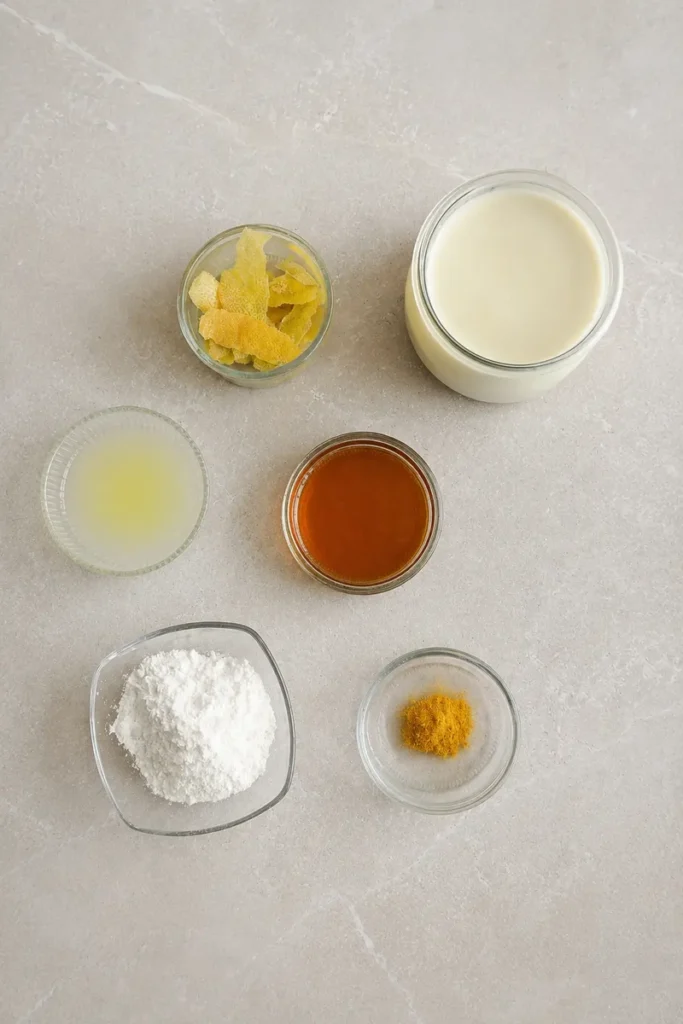
Plant-based milk forms the base of this lemon curd. I use unsweetened soy milk because sweetened varieties usually contain added refined sugar, which is unnecessary here: the maple syrup already provides all the sweetness the recipe needs. Reducing added and refined sugars is generally a better choice, particularly since excessive consumption is associated with negative health effects.
Substitutions: Other unsweetened plant-based milks, such as oat or rice milk, can also be used, although the final consistency may vary slightly depending on the brand. I would avoid coconut milk, as its distinctive flavour could overpower the lemon, which should remain the clear focus of the curd.
Fresh Lemon Juice and Zest
Fresh lemon juice gives the curd its bright, sharp flavour, while the zest adds a deeper citrus aroma. I live in the Mediterranean and I’m lucky enough to be able (not always, but often) to pick lemons directly from the tree and from farms I know to be organic. When that’s not possible, I try to buy organic lemons from trusted vendors. It’s not just a matter of taste, but also of safety: for this recipe we use the peel, so choosing untreated fruit is especially important.
Cornstarch
Cornstarch is where the real magic happens in this recipe, because it replaces the thickening roletraditionally performed by eggs. As the mixture heats, the starch granules absorb liquid, swell and begin to gelatinise, transforming the plant-based milk and lemon juice into a smooth, spoonable curd. The final texture depends on the type of starch used, as different starches absorb water and thicken in slightly different ways.
Substitutions: Potato starch or tapioca starch may also work, but they will not necessarily produce exactly the same consistency. Potato starch generally has strong thickening power, while tapioca can create a glossier and slightly more elastic or sticky texture. Since I have only tested this vegan lemon curd with cornstarch, I cannot guarantee the same result with either substitution. If you try one before I do, let me know in the comments, I would genuinely love to hear how it turns out.
Maple Syrup
Maple syrup sweetens the curd without refined sugar and balances the acidity of the lemon. Start with 110 g and add more if you prefer a sweeter result.
Substitutions: You can replace it with agave syrup, although the flavour and level of sweetness will change slightly. Agave syrup is generally sweeter than maple syrup, so I recommend starting with a little less and adjusting the quantity according to your taste.
Turmeric
Use only a very small pinch for colour. Too much turmeric can affect both the flavour and the appearance of the curd. You can omit it, but the color would turn out to be a pale white ( and we also eat with our eyes, so colours and appearance of food matters as much as the flavour!).
Coconut Oil or Vegan Butter
This is totally optional, but a small amount of coconut oil or vegan butter, gives the curd a smoother, silkier finish and a slightly richer mouthfeel.
How to Make This Vegan Lemon Curd Step by Step
Below, we’ll go into the instructions in a little more detail, with original step-by-step photographs taken in my own kitchen to help you follow the process and recognise the right textures along the way.
For the quicker version, you can skip directly to the recipe card at the bottom of the page, where you’ll find the complete ingredients and instructions clearly summarised.
Step 1: Dissolve the cornstarch
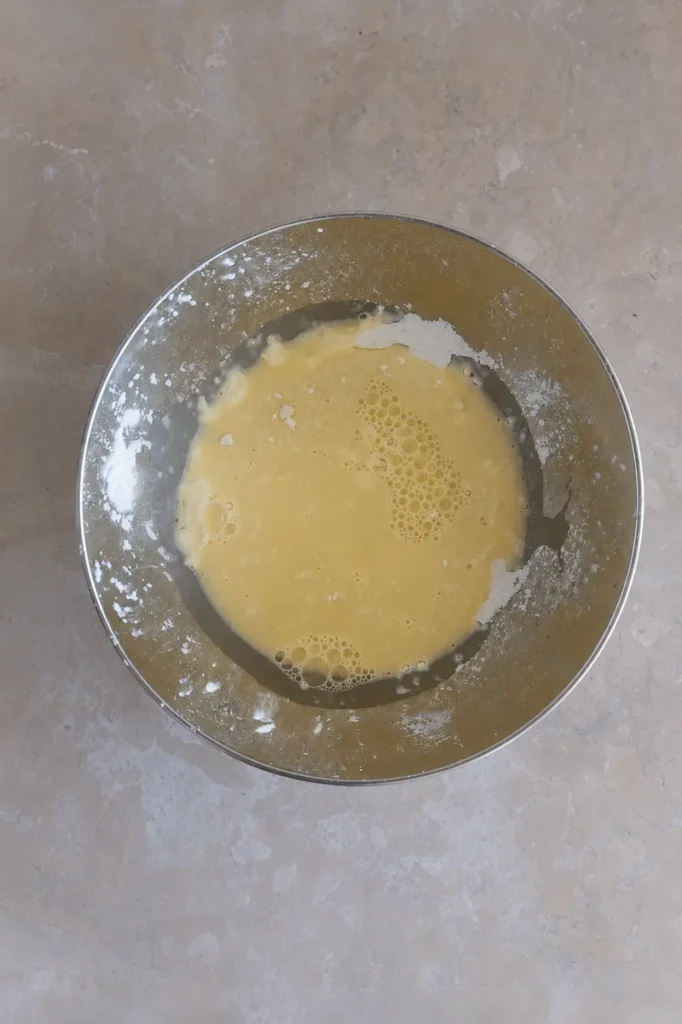
Add the cornstarch to a saucepan together with a small amount of cold plant-based milk. Whisk well until the cornstarch is completely dissolved and there are no lumps. This step is important because cornstarch thickens the lemon curd, but it needs to be fully dissolved before heating. If added directly to hot liquid, it can create lumps.
Step 2: Add the remaining ingredients
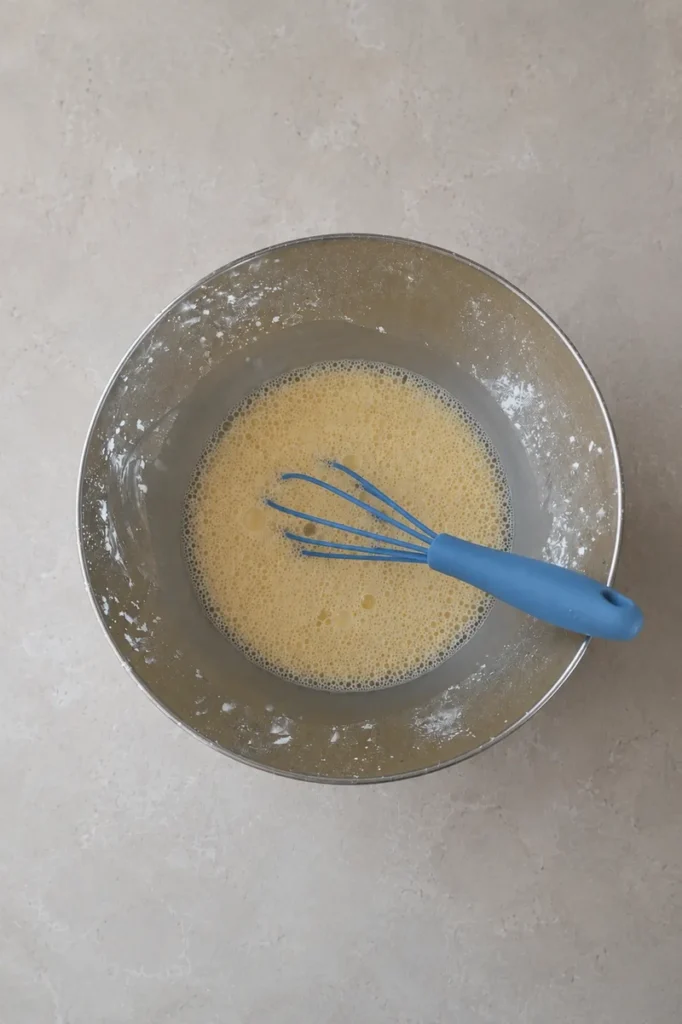
Pour in the rest of the plant-based milk, then add the maple syrup, lemon zest, lemon juice, a pinch of salt, and a very small pinch of turmeric. The turmeric is only used to give the lemon curd a soft yellow colour, so be careful not to add too much. The flavour should remain fresh and lemony.
Step 3: Cook the lemon curd
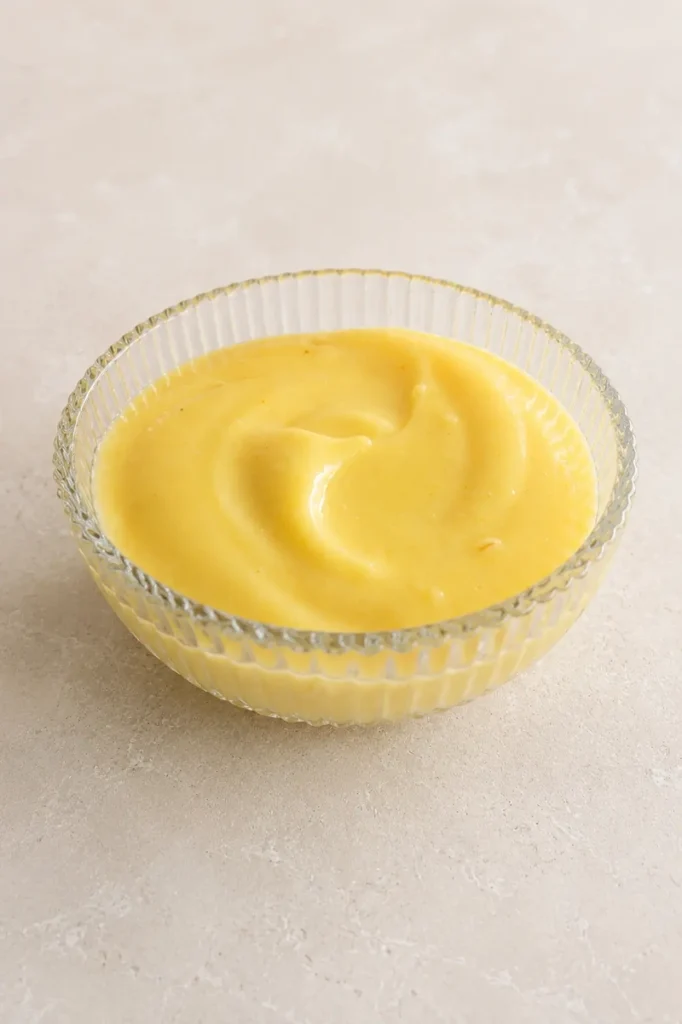
Place the saucepan over medium-low heat and cook the mixture, whisking constantly. After a few minutes, the lemon curd will start to thicken. Keep whisking until it becomes smooth, glossy, and creamy. It should have a texture similar to a thick custard.
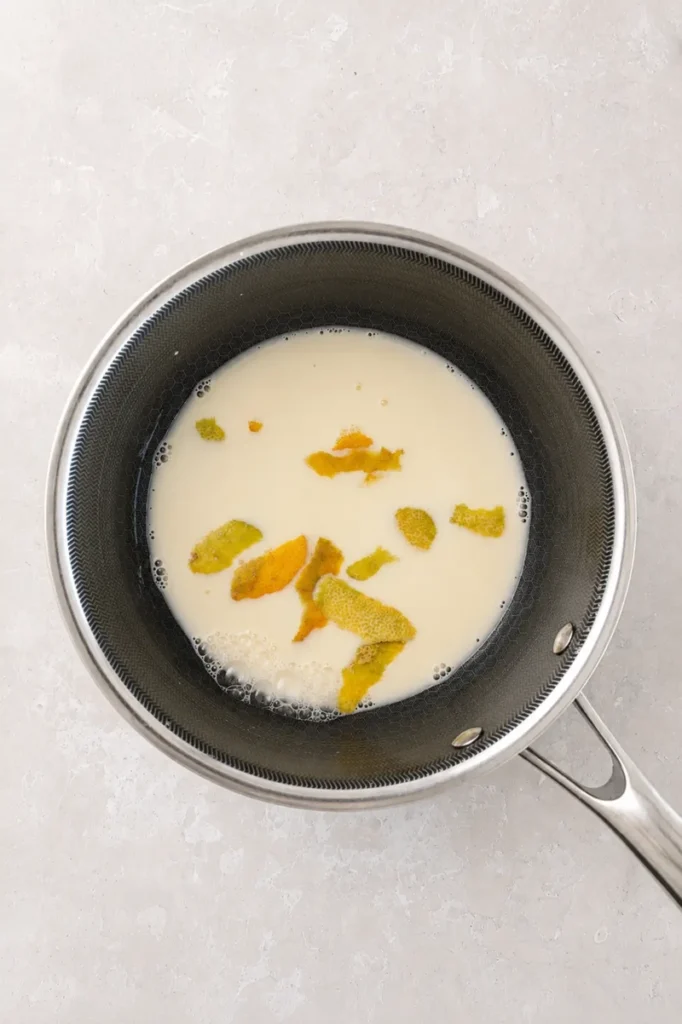
The pan you see in the photo is my absolute favourite, and it’s from HexClad. Nothing sticks to it, it’s easy to use because it’s hybrid, and it comes with a lifetime warranty. And yes, I personally tested that lifetime warranty: mine had become damaged on one side, possibly from being cleaned in the dishwasher, so I requested a replacement. A new one arrived within just a few days. Highly recommended, and yes, I only recommend products I truly use and love.
Step 4: Adjust the texture – Optional
Once the lemon curd has thickened, remove it from the heat. If you want a silkier texture, stir in one teaspoon of coconut oil or vegan butter while the curd is still warm. Mix until fully melted and incorporated.
Step 5: Let it cool slightly
Let the lemon curd cool for 5–10 minutes, stirring occasionally. If you are using it to fill a tart, it should be warm and fluid, but not boiling hot. Pouring it while still slightly warm makes it much easier to spread evenly inside the crust.
Step 6: Use or store
Use the lemon curd immediately to fill your tart, or transfer it to a clean jar/container and let it cool completely. You can prepare it a few hours in advance or even the day before. Store it in the refrigerator until ready to use.
Common Problems and How to Fix Them
Why is my vegan lemon curd too runny?
If your lemon curd is too runny, it probably needs more cooking time. Cornstarch thickens only once it reaches enough heat, so keep cooking the mixture over medium-low heat while whisking constantly until it becomes glossy and creamy.
If it still looks too liquid after several minutes, dissolve 1 extra teaspoon of cornstarch in a small splash of cold plant-based milk, then add it to the saucepan and cook again until thickened.
My vegan lemon curd is too thick after chilling. What can I do?
Don’t worry! vegan lemon curd naturally becomes much thicker as it cools because the cornstarch continues to set in the refrigerator. Start by stirring it vigorously with a whisk or spatula; in many cases, this is enough to restore a softer, creamier texture.
For an especially smooth result, blend it briefly with an immersion blender. If it is still firmer than you would like, add one teaspoon of plant-based milk at a time, stirring or blending well after each addition, until it reaches the desired consistency.
Delicious Ways to Use Vegan Lemon Curd
Vegan lemon curd is one of those simple recipes that can instantly make a dessert feel fresher, brighter, and a little more special. Of course, it works beautifully as a filling for the classic vegan lemon tart, but you can use it in so many other ways too.
You can spoon it over pancakes, waffles, vegan French toast, or porridge for a fresh citrus note. It is also delicious layered with coconut yogurt, granola, and fresh berries for a quick breakfast or dessert jar.
For baking, you can use it as a filling for cupcakes, layer cakes, thumbprint cookies, tartlets, or sandwich cookies. It also works beautifully inside a vegan cheesecake, between cake layers, swirled into a vegan banana bread, or as a bright topping for a simple vanilla sponge.
If you want something very simple, just serve it with fresh fruit, especially berries, peaches, or roasted fruit. The contrast between the creamy lemon curd and the natural sweetness of the fruit is honestly too good to be true.
Easy Vegan Lemon Curd Recipe – Thick, Glossy and Refined Sugar-Free
Equipment
- 1 Jar
Ingredients
- 2 1/2 cups Unsweetened Soy Milk
- 1/2 cup Cornstarch or Potato starch
- 1/3 cup Maple Syrup
- 1 Zest Organic lemon
- 1/4 cup Fresh Lemon Juice
- 1 pinch Sea Salt
- 1 pinch Turmeric
- 1 tsp Coconut Oil, Melted Optional * See Notes
Instructions
- Add the cornstarch to a saucepan with a small amount of cold plant-based milk. Whisk well until the cornstarch is completely dissolved and the mixture is smooth and lump-free.
- Pour in the rest of the plant-based milk, then add the maple syrup, lemon zest, lemon juice, salt, and turmeric. Whisk again until everything is well combined.
- Place the saucepan over medium-low heat and cook, whisking constantly. After a few minutes, the mixture will start to thicken. Keep whisking until the lemon curd becomes smooth, glossy, and creamy, with a texture similar to a thick custard.
- Once the lemon curd has thickened, remove it from the heat. If using ( * see notes), stir in the coconut oil or vegan butter while the curd is still warm. Mix until fully melted and incorporated.
- Let the lemon curd cool for 5–10 minutes, stirring occasionally. Use it warm and fluid to fill a tart, or let it cool completely and store it in the refrigerator until ready to use.
Notes
* Coconut Oil or Vegan Butter Note
Coconut oil or vegan butter is completely optional in this vegan lemon curd. The recipe works well without it, but adding a small amount at the end can make the curd slightly silkier, glossier, and richer in texture. Stir it in while the lemon curd is still warm, after removing it from the heat, until fully melted and incorporated.Storage Note
This vegan lemon curd can be stored in an airtight container or clean jar in the refrigerator for up to 3 days. It will thicken as it cools, so stir it well before using. Freezing is not recommended, as the texture may become less smooth once thawed.Nutrition Note
Nutritional information is provided as an estimate and may vary depending on the type of plant-based milk, sweetener, and optional coconut oil or vegan butter used. Original Content Note Everything you see on this page comes from my own kitchen. The recipe was tested by me, the photos are original and owned by me, and the images are not AI-generated. I believe food content should be real, honest, and actually cooked before being shared.Substitutions Note
For all ingredient substitutions and alternative options, please refer to the substitution section above, where each possible variation is explained in more detail.Nutrition