This article contains affiliate links. If you purchase through them, INUMAMI may earn a small commission at no extra cost to you. We only recommend what we genuinely use and trust and your support means the world to us.
Indian cuisine is my absolute favorite. The generous use of spices, the slow, comforting stews, and the way vegetables and legumes are combined always win me over. I go to an Indian restaurant every week, and I’m lucky to live in a place where there are so many to choose from. My favorite is one of the more humble spots, run by Indians for Indians, truly authentic. I’ve never been to India, and I’m sure that if I tasted these dishes there, the flavors would be even bolder and more intense, just like the chef at my favorite restaurant always tells me.
What I love even more is that Indian cuisine offers so many naturally vegan dishes, and when I travel, I often rely on it as a safe and delicious option when I don’t have many alternatives. I’m sharing my version of a vegan korma recipe, a creamy and aromatic veg korma made with coconut milk and mixed vegetables. It’s my personal take on a classic vegan vegetable korma, and it has been approved by my favorite Indian chef.
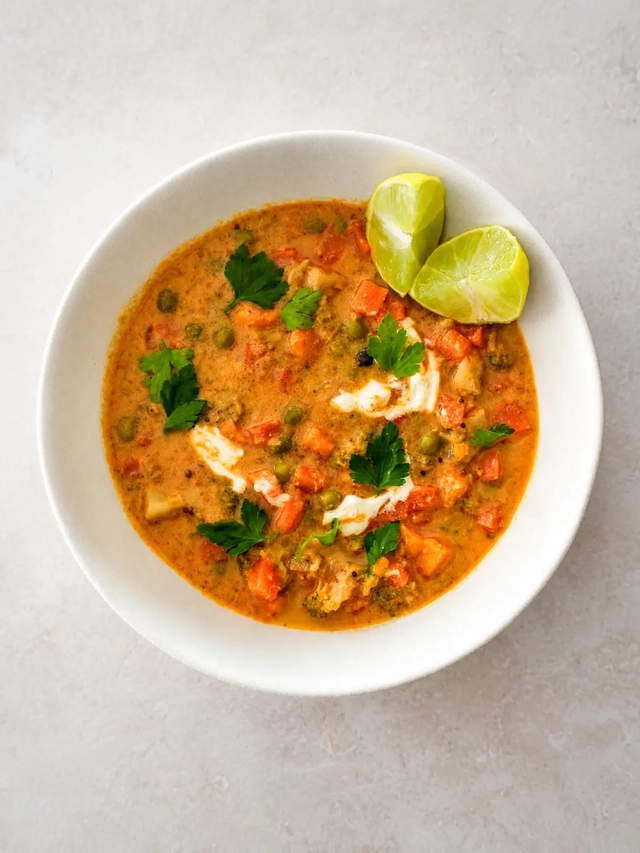
This vegan korma recipe is creamy, comforting, and full of flavor. It is made with mixed vegetables, coconut milk, and a smooth spiced sauce that brings everything together in a rich and balanced way. Naturally plant-based and gluten-free, it is inspired by Indian-style veg korma, but adapted into a fully vegan version that keeps all the depth and warmth of the original.
What Is Veg Korma? History and Origins
The korma, often considered the king of Indian curries, is famous around the world for its creamy texture and its mild yet deeply comforting flavor. This classic veg korma recipe has ancient origins in North India, dating back to the Mughal Empire, where it was served at lavish imperial banquets.
The word “korma” comes from the term “qorma,” meaning to braise, which reflects the traditional cooking method: vegetables are first seared, then gently simmered in a rich, aromatic sauce. Originally, korma was a luxurious dish meant to showcase opulence, often enriched with expensive ingredients such as nuts, rare spices, and cream.
Is Korma Vegan?
Traditionally vegetable korma is not vegan because ghee (clarified butter) is used to sauté the vegetables, along with yogurt and cream for the creamy sauce. There are also meat-based korma dishes that use meat instead of vegetables. However, there are many variations of korma, and vegan versions are often available in restaurants, especially those that follow Indian vegan traditions.
The good news is that transforming korma into a fully plant-based dish is very easy, as only a few ingredients need to be replaced, and the result does not feel any different from the original.
Vegan Korma Ingredients and Substitutions
You will find the exact quantities in the recipe card below, but here we focus on understanding what each ingredient does and how to substitute it.
Mixed Vegetables
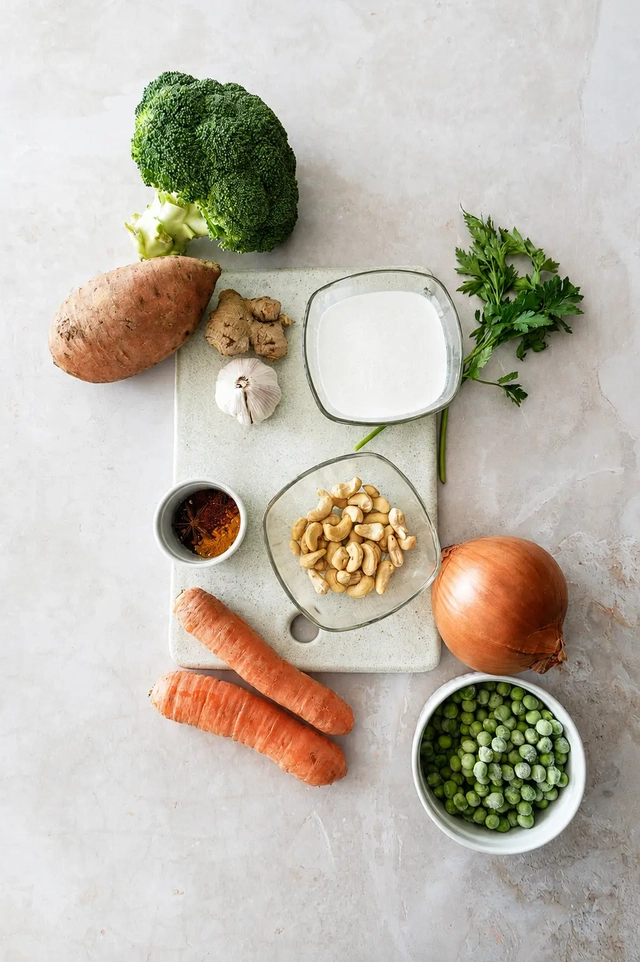
In the original traditional recipes, the vegetables and fruits used were 9 in total. In my vegan korma recipe I’m sharing, I chose a mix of carrots, peas, green broccoli, and sweet potato. I find it to be the perfect combination, but feel free to get creative and add or substitute the vegetables you prefer or have on hand.
Onion, Garlic, and Ginger
Onion, garlic, and ginger form the aromatic base of this recipe. I like to use fresh ginger, finely minced, but if you don’t have it, ground ginger works as well. I usually go for white onion, though you can easily substitute it with red onion or any variety you prefer.
Spices
Spices are the defining character of the korma sauce. I used a mix of turmeric, cumin, coriander, garam masala, cardamom, cloves, chili, juniper berries, and curry.
Here too, there is plenty of room for creativity: you can adapt the mix based on your taste and what you have in your pantry. The only thing I recommend is to respect the lighter, more delicate nature of this Indian curry, avoiding pushing too much on the heat.
Coconut Milk
This is important: it forms the base of the sauce. I use light coconut milk, but you can also use full-fat if you want a richer result. It’s what gives the vegan korma its creamy texture without dairy. Coconut milk is the key ingredient that gives this vegan korma its creamy texture without dairy.
Cashews
To achieve the same creamy texture you would get from dairy, I add a simple cashew cream made by blending cashews with water until smooth. If you do not have cashews or prefer not to use nuts, you can use a vegan cooking cream instead, such as soy, coconut, or oat cream.
Tomato Paste
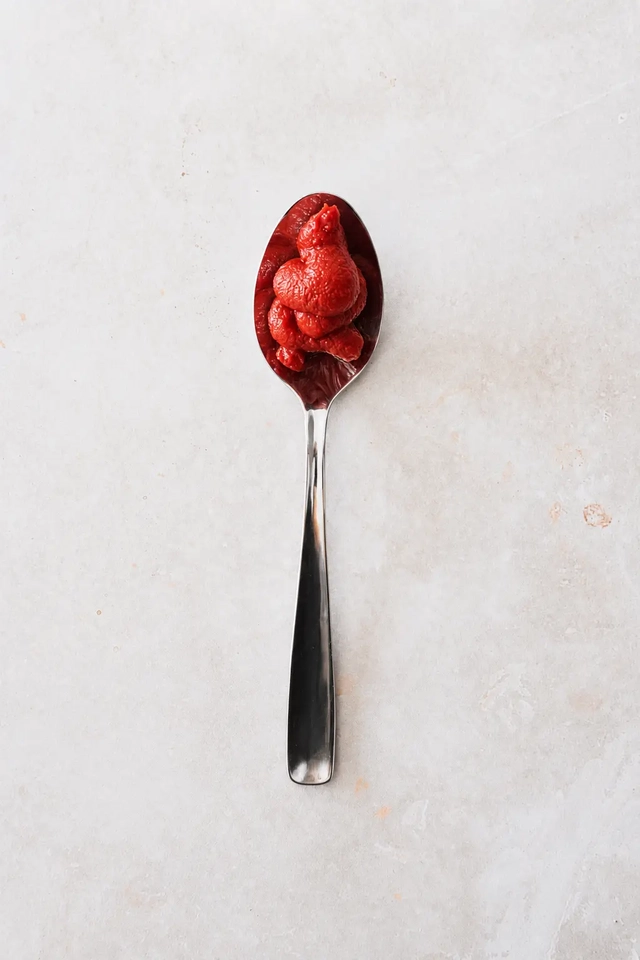
Add the tomato paste to the aromatic base while sautéing. It brings a deep, rich umami note and enhances both the color and overall depth of the korma sauce.
Yogurt, Parsley, and Lime
You can use a spoon of plant-based yogurt as i do or vegan cream as a finishing touch. It adds a light tangy note that balances the richness of the korma and gives a fresh contrast. A squeeze of lime and a sprinkle of fresh parsley or coriander work beautifully here, lifting the whole dish and making it feel brighter and more vibrant.
How to Make Vegan Korma Step by Step
Making this vegan korma is not difficult, but the order of the steps matters. The vegetables need time to soften, the spices need to open in the pan, and the sauce needs a few minutes to become creamy, aromatic, and well balanced.
You will find the full recipe with exact quantities, cooking times, and detailed measurements in the recipe card below. Here, we will go through the process step by step so you can understand what happens at each stage and adjust the texture and flavor to your taste.
Step 1: Prepare the Vegetables
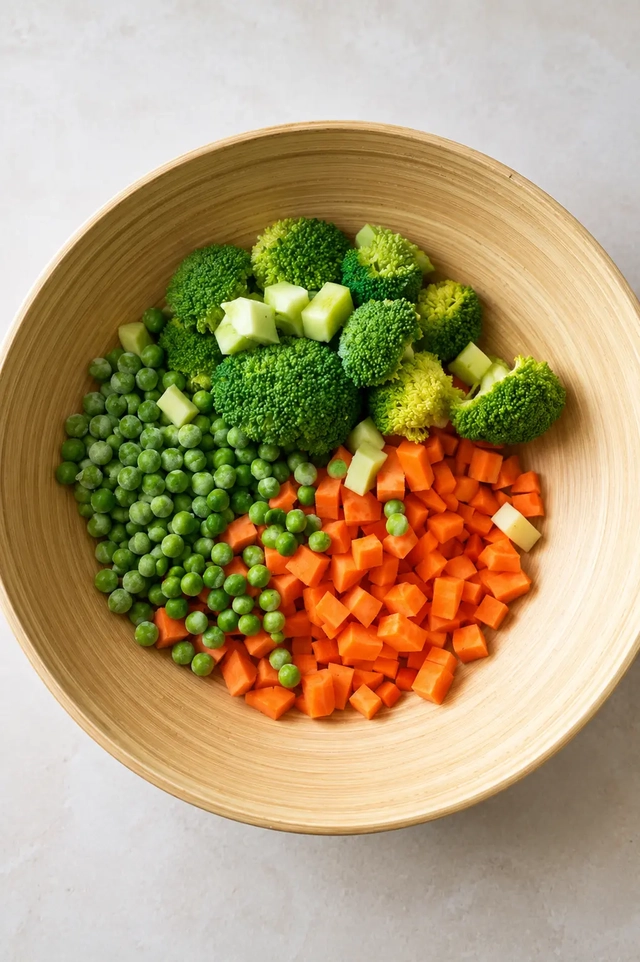
Start by cutting all the vegetables into cubes. The size is up to you and depends on the texture you prefer in the final dish. I like to keep them medium-sized, so they stay present and you can still feel them when you bite into the korma.
For the peas, I used peas that I had previously cleaned and frozen. You can do the same if you have frozen peas, or simply use fresh peas if you prefer.
Step 2: Prepare the Aromatic Base and Spices
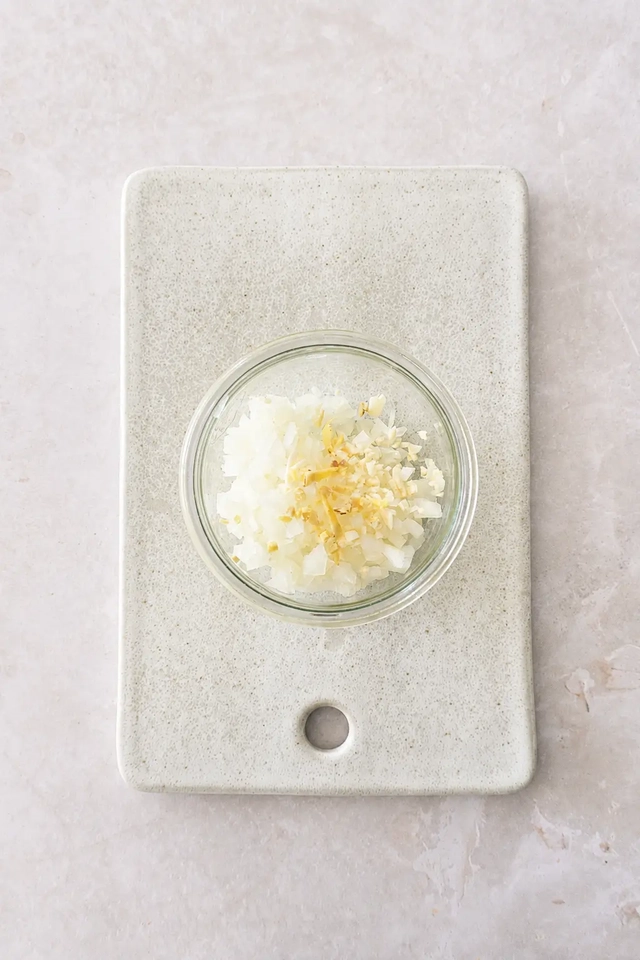
Prepare the aromatic base by finely chopping the onion, garlic, and fresh ginger. I like to mince everything very finely, including the ginger, so it melts into the sauce and becomes part of the flavor base rather than staying in larger pieces.
If you are not using fresh ginger and prefer ground ginger instead, keep it aside and add it later together with the spices.
In a separate small bowl, combine all the spices you are using, both the ground ones and the whole spices, such as juniper berries or star anise. Having them ready before you start cooking makes the process smoother and helps prevent the aromatics from burning while you measure the spices.
Step 3: Prepare the Cashew Cream
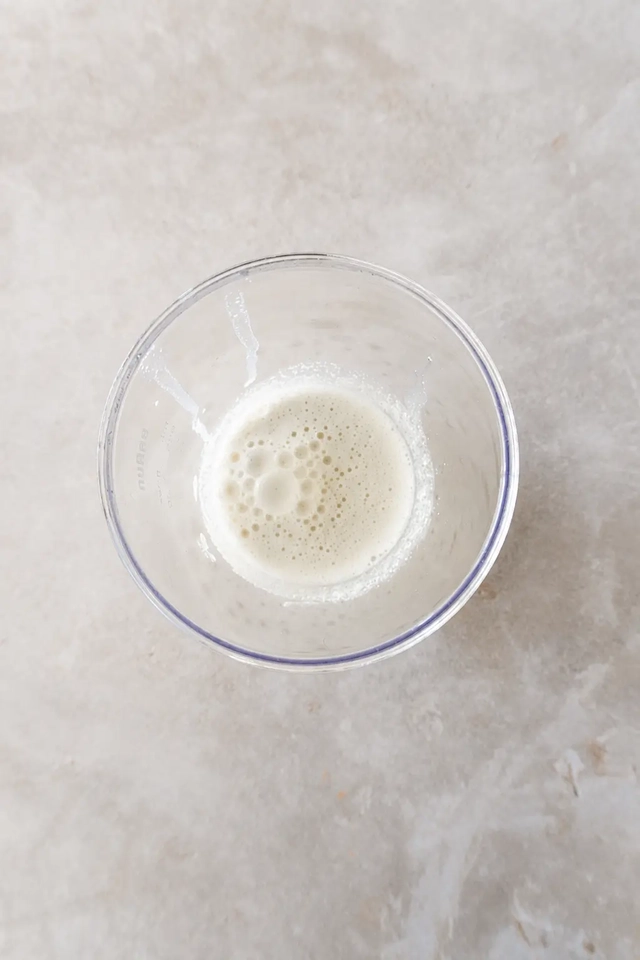
In a tall jar or blender cup, add the cashews and water, then blend until completely smooth. The texture should be very fluid and creamy, almost like a thin cream, so it can blend easily into the korma sauce later. Once ready, set it aside while you start cooking the aromatic base.
Step 4: Cook the Aromatic Base
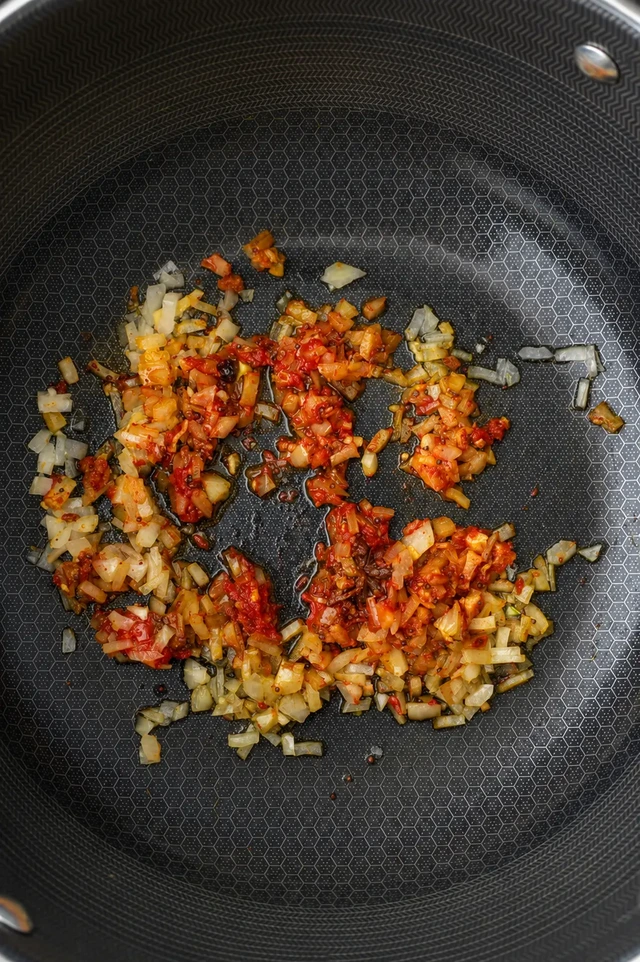
Place a large pot over medium heat and add a vegetable oil. Once the oil is warm, add the chopped onion, garlic, and ginger together with the spices. Add the tomato paste as well, then stir everything together and let the mixture cook for a few minutes, until the aromatics soften and begin to turn golden.
This step is important because it allows the spices and tomato paste to release their flavor into the oil, creating the base of the korma sauce. Keep the heat medium and stir often, so the spices become fragrant without burning.
Step 5: Add the Vegetables
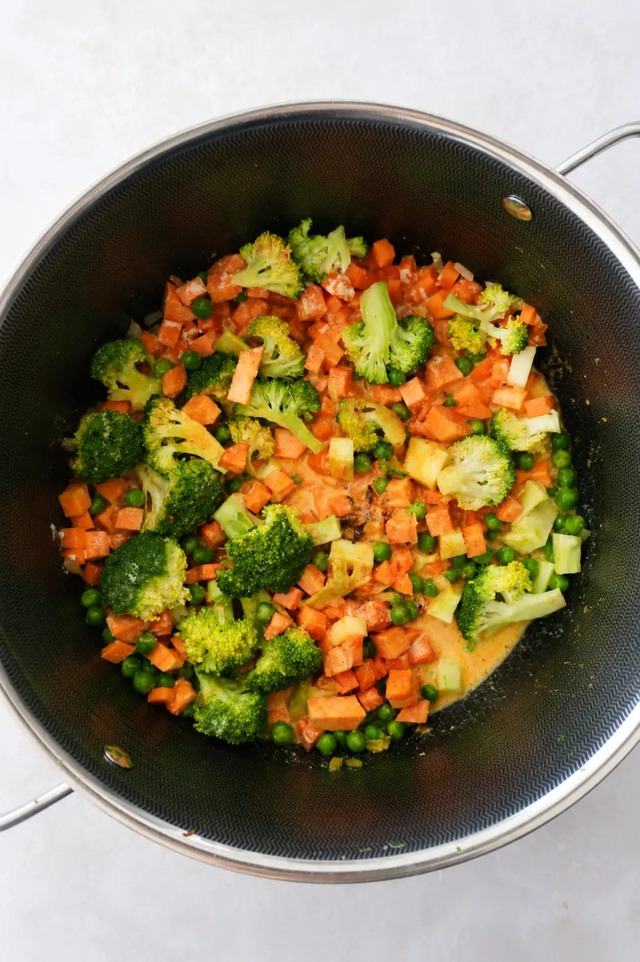
Add all the prepared vegetables to the pot and increase the heat slightly. Stir well so they are coated with the aromatic base, spices, and tomato paste.
Let the vegetables sauté for a few minutes while still raw, stirring often, until they begin to turn slightly golden around the edges. This step helps build flavor before adding the liquid ingredients and gives the final vegan korma a deeper, more rounded taste.
Step 6: Add the Creamy Base and Simmer
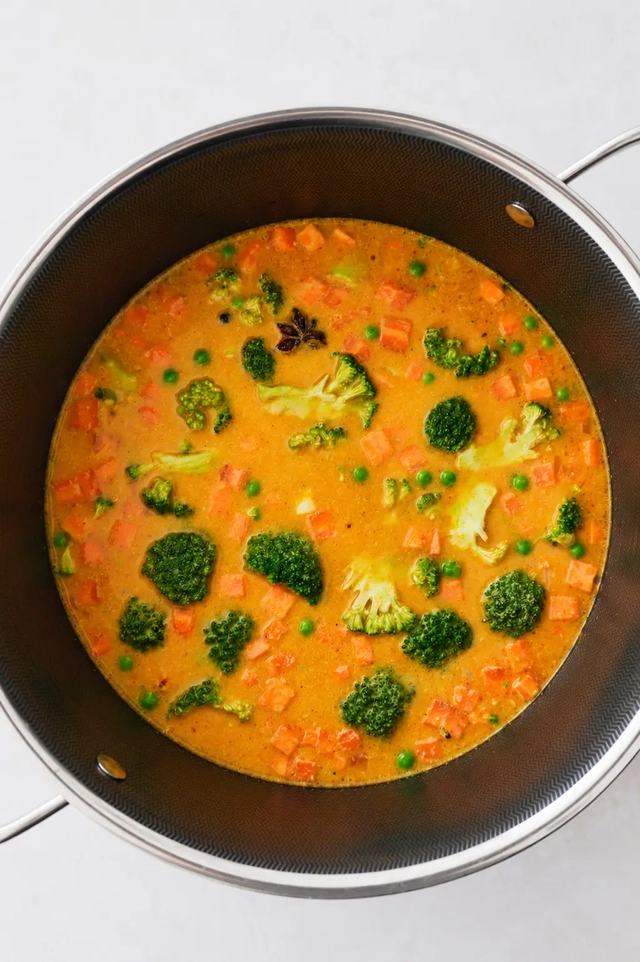
Pour in the cashew cream you prepared earlier, followed by the coconut milk. Then add enough boiling water to just cover the vegetables, about 1 cm above their surface. Do not add too much water at this stage, as the korma should stay creamy and rich rather than watery.
Lower the heat, cover the pot, and let everything cook slowly for about 1 hour, stirring occasionally. This slow cooking time allows the vegetables to become tender, the spices to deepen, and the sauce to thicken into a creamy, aromatic vegan korma.
Step 7: Serve
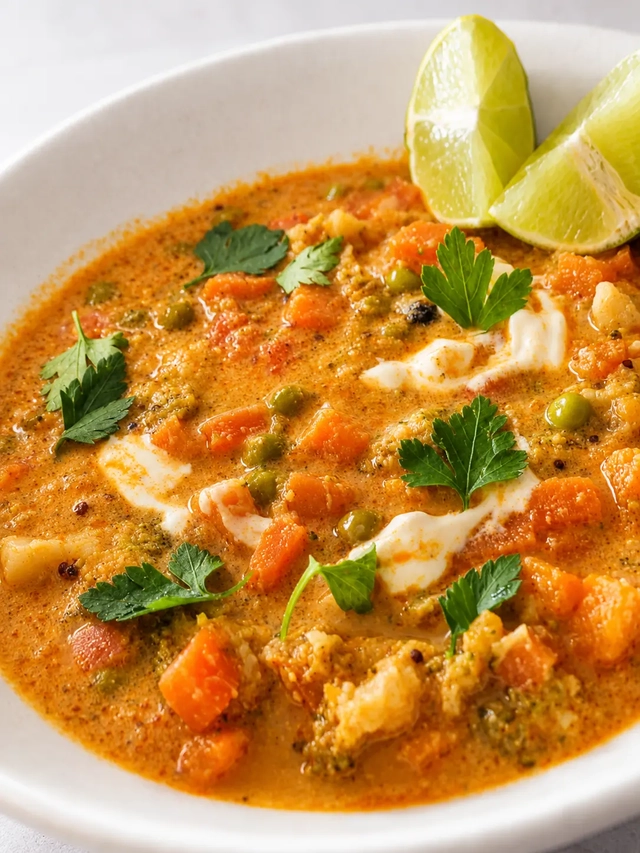
Serve the vegan korma warm with fresh lime wedges on the side. I like to finish it with a spoonful of unsweetened plant-based yogurt and a little fresh parsley, which add brightness and balance the richness of the sauce.
You can serve it with basmati rice, gluten-free flatbread, quinoa, or any simple grain you like.
For something fresh on the side, I also love serving it with this Kachumber salad, its crisp cucumber, cabbage and lime are a lovely contrast to the warm, creamy korma.
Vegan Korma Recipe: Creamy Veg Korma with Coconut Milk
Equipment
Ingredients
- 2 Carrots, Medium
- 1 Sweet Potato
- 2 cups Broccoli
- 1 cup Peas Fresh or Frozen
- 1 Medium Onion, Finely Chopped
- 2 cloves Garlic
- 1 tbsp Fresh ginger
- 2 tbsp Sunflower Oil
- 1 tbsp Tomato Paste
- 1 can Coconut milk
- 2 to 3 cups Boiling Water
For the Cashew Cream
- 1/2 Cashew
- 3/4 Cup Water
Spices
- 1 tsp Tumeric
- 1 tsp Ground Cumin
- 1 tsp Ground Coriander
- 1 tsp Garam Masala
- 1/2 tsp Ground cardamom
- 1/4 tsp Ground Cloves
- 1/4 tsp Chilly powder Optional
- 1 tsp Curry Powder
- 3 Juniper Berries
- 1 Star Anise
To serve ( optional)
- 2 tbsp Unsweetened plant-based yogurt
- 1 Sprinkle Fresh Parsely
- 1 Lime
Instructions
- Start by cutting all the vegetables into cubes. The size is up to you and depends on the texture you prefer in the final dish.
- Finely chop the onion, garlic, and fresh ginger.
- In a separate small bowl, combine all the spices you are using, both the ground spices and the whole spices, such as juniper berries or star anise.
- In a tall jar or blender cup, add the cashews and water, then blend until completely smooth. The texture should be very fluid and creamy, almost like a thin cream, so it can blend easily into the korma sauce later. Set it aside
- Place a large pot over medium heat and add the vegetable oil. Once the oil is warm, add the chopped onion, garlic, and ginger together with the spices.Add the tomato paste as well, then stir everything together and let the mixture cook for a few minutes, until the aromatics soften and begin to turn golden. Keep the heat medium and stir often, so the spices become fragrant without burning.
- Add all the prepared vegetables to the pot and increase the heat slightly. Stir well so they are coated with the aromatic base, spices, and tomato paste.
- Pour in the cashew cream you prepared earlier, followed by the coconut milk. Then add enough boiling water to just cover the vegetables, about 1 cm above their surface. Do not add too much water at this stage, as the korma should stay creamy and rich rather than watery.
- Lower the heat, cover the pot, and let everything cook slowly for about 1 hour, stirring occasionally.
- Serve the vegan korma warm with fresh lime wedges on the side. I like to finish it with a spoonful of unsweetened plant-based yogurt and a little fresh parsley, which add brightness and balance the richness of the sauce.
Notes
Nutrition