This article contains affiliate links. If you purchase through them, INUMAMI may earn a small commission at no extra cost to you. We only recommend what we genuinely use and trust and your support means the world to us.
I am Italian, but at this stage of my life I live quite literally in the middle of the Mediterranean, on an island ( Malta) that embodies Mediterranean culture in many ways. This may be something new you are learning about me, but the fact that I am vegan certainly is not. After all, you are reading a vegan recipe website.
So I believe I know a thing or two about Mediterranean eating and about how to reconcile it with a plant-based lifestyle, and, in my case, with a gluten-free diet as well.
The Mediterranean diet is known around the world because it is widely considered one of the healthiest eating patterns to follow. The reason is simple: it is naturally rich in vegetables, legumes, fruit, whole foods, and healthy fats, while being relatively low in saturated fats from animal products. It already sounds quite familiar, doesn’t it?
In this article, we will explore how to follow a Mediterranean diet as a vegan, how to make it balanced, and which nutrients and practical details deserve a little extra attention.
What Is a Vegan Mediterranean Diet and Is it Vegan?
The word “diet” comes from the Greek diaita, meaning “way of life.” This is one of the reasons the Mediterranean diet is so widely appreciated: it is not centred on calorie counting, but on the pleasure of eating, the seasonality of ingredients, and the social experience of sharing food. It is a ritual.
In other words, it is not designed as a restrictive or deprivation-based diet, even though it may support weight management when followed consistently. It is instead a way of eating that, when balanced and thoughtfully planned, can be both deeply satisfying and highly nutritious.
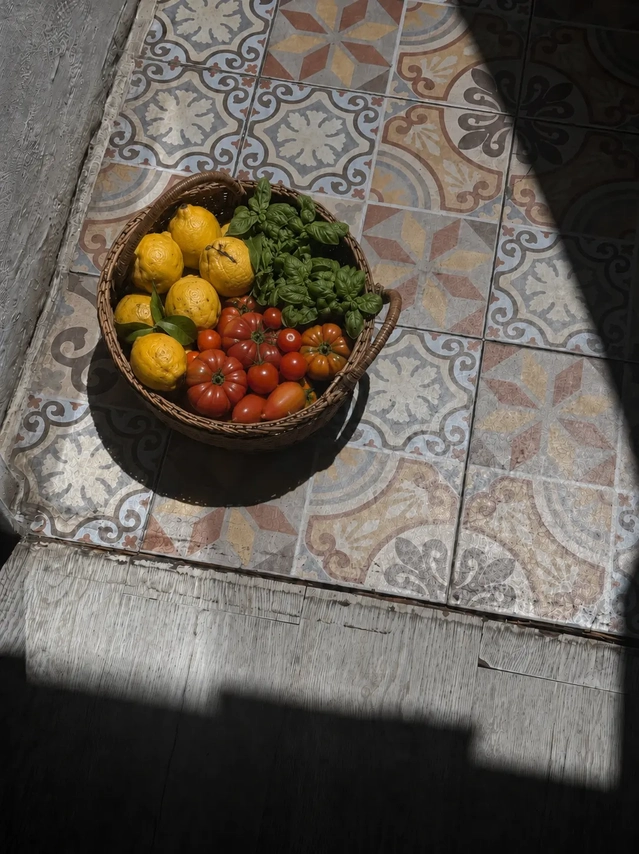
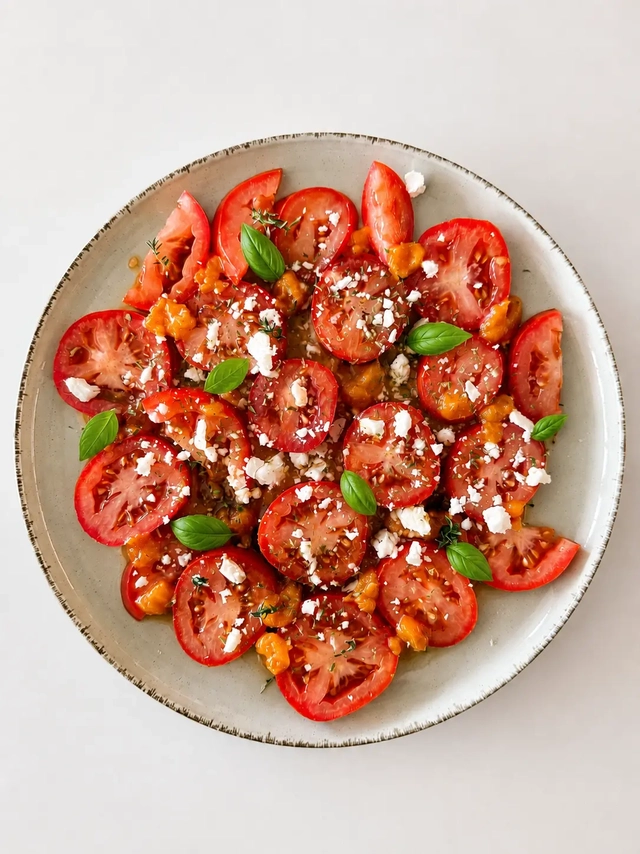
One of the reasons it is relatively easy to follow a healthy Mediterranean diet is that it is built around good-quality ingredients, mostly plant-based, prepared simply and often left close to their natural state so that their flavour can truly shine. I grew up on tomatoes and olive oil, so I can say this with some confidence. I learned to eat tomatoes whole, straight from the garden, just like apples.
Technically speaking, the Mediterranean diet is not exclusively vegan, even though it is largely based on plant foods. It traditionally includes some animal-derived foods, such as fish, as well as dairy products, including, of course, the famous Italian mozzarella.
However, this does not mean that following an entirely plant-based Mediterranean diet is difficult or less authentic. Quite the opposite: it is possible to preserve the elements most strongly associated with the health benefits of this way of eating, such as legumes, vegetables, fruit, whole grains, nuts, seeds, and olive oil, while leaving out foods that are less central to those benefits, such as cheese and other animal products.
The Main Foods in a Vegan Mediterranean Diet
The Mediterranean diet was shaped in Southern Europe, so its main foods are naturally those that grow and are traditionally produced in this part of the world. Here, we will focus only on the vegan ones, which, in fact, make up the majority of them.
This way of eating already places plant-based ingredients and healthy fats at the centre of the plate, while keeping highly processed and industrial foods to a minimum.
Vegetables and Fruit
Vegetables and fruit are eaten at almost every meal in a vegan Mediterranean diet. This is something I do as well, as you can see in my article on what I eat in a day as a vegan.
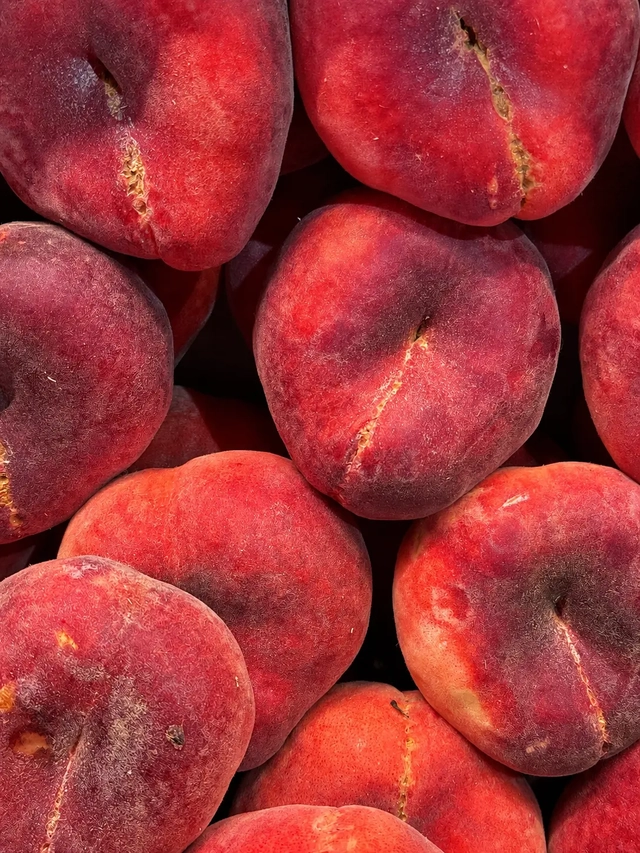
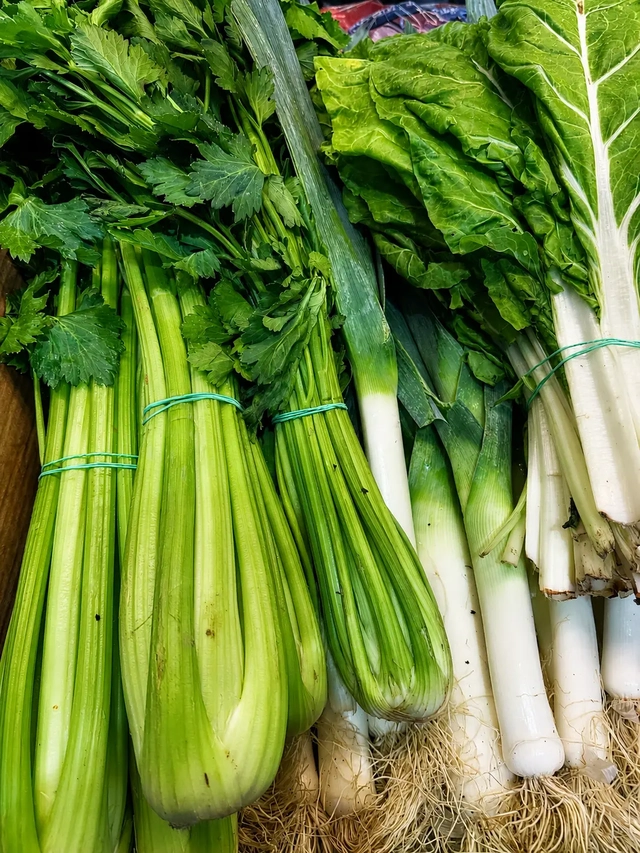
Many of these foods are traditionally grown throughout the Mediterranean region, including tomatoes, courgettes, aubergines, leafy greens, cabbages, citrus fruits, and strawberries. They are usually enjoyed in season, when they are fresher and more flavourful, and the wide variety available naturally encourages diversity throughout the week.
One of the simplest Mediterranean principles is to avoid overcooking vegetables whenever possible, helping them retain more of their texture, colour, and heat-sensitive nutrients. They are also often served with extra virgin olive oil, which does more than add flavour: its fat helps the body absorb fat-soluble nutrients and plant compounds, including carotenoids and vitamins such as A and E. You see? We do it better.
Extra Virgin Olive Oil and Healthy Fats
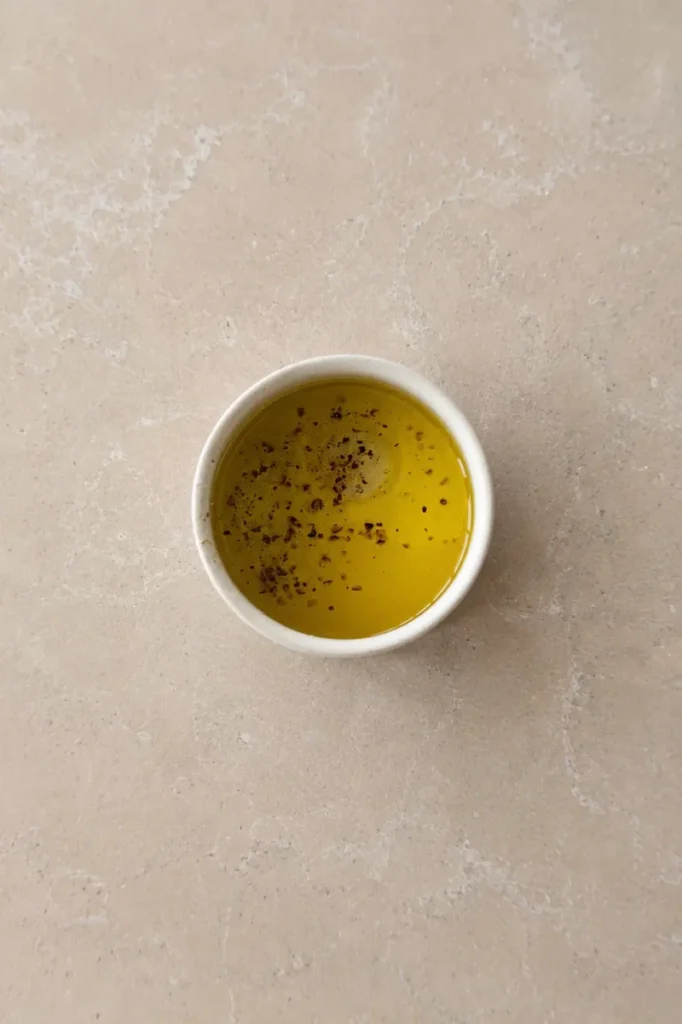
Europe is home to some of the world’s most renowned olive oil-producing regions, where its quality is deeply connected to local varieties, climate, and centuries-old traditions. Extra virgin olive oil is the main source of fat in Mediterranean cooking and fits just as naturally into a vegan diet.
It can be used in place of butter in many savoury dishes and baked goods, as well as in dressings, sauces, marinades, and dips. In Mediterranean households, it appears in most main meals, sometimes added during cooking, sometimes drizzled over the finished dish to bring its flavour forward.
Extra virgin olive oil is particularly rich in monounsaturated fats and also contains polyphenols, naturally occurring compounds with antioxidant properties. When used in place of fats that are higher in saturated fat, it can help support a healthier blood lipid profile and cardiovascular health.
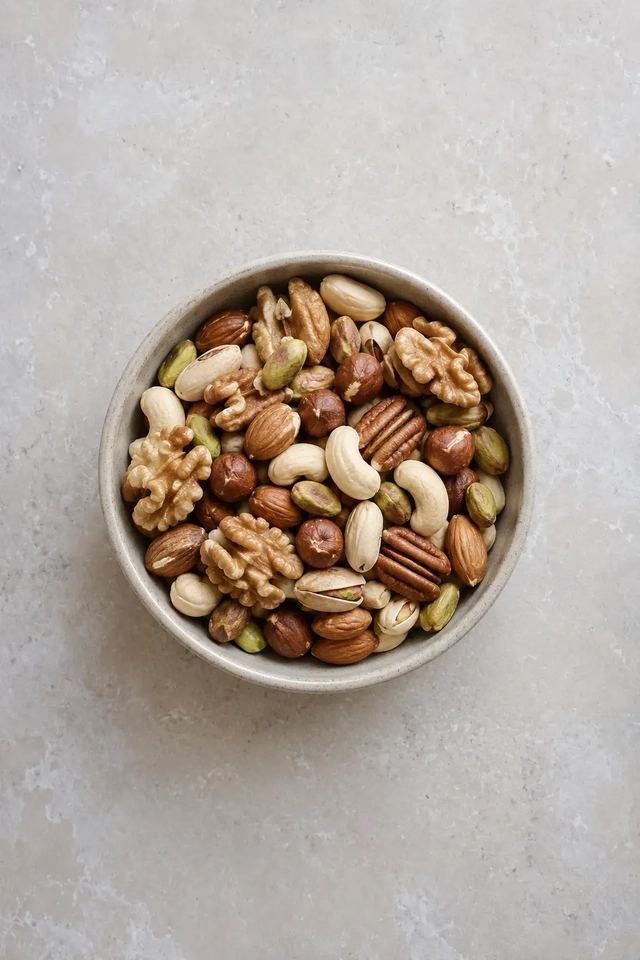
Other valuable sources of healthy fats include nuts and peanuts, such as walnuts, almonds, pistachios, cashews, and peanuts. Unlike vegetables or olive oil, they do not necessarily need to appear at every meal. A small handful ( approximately 30 grams) is a practical daily portion that can be incorporated into snacks, breakfasts, salads, sauces, or desserts.
Nuts are particularly useful in vegan cooking because they can also become the foundation of many recipes. Cashews or almonds, for example, can become a vegan ricotta, creamy sauces, dairy-free fillings, and smooth creams for cakes and other desserts.
Their benefits extend beyond their healthy fats. Nuts also provide fibre, plant-based protein, vitamin E, magnesium, and other micronutrients. Regular consumption as part of a balanced diet has been associated with better cardiovascular health and a healthier blood lipid profile, particularly when nuts replace foods richer in saturated fat.
Legumes
Legumes are among the true stars of the Mediterranean diet, and, naturally, of a vegan one too. Beans, chickpeas, lentils, peas, and fava beans provide plant-based protein, fibre, complex carbohydrates, and a valuable range of vitamins and minerals, making them one of the foundations of a balanced vegan Mediterranean diet.
They are also one of the foods most consistently found in the traditional eating patterns of the so-called Blue Zones: areas of the world known for having an unusually high number of people who live into their nineties and beyond. Legumes alone cannot explain this longevity, which is influenced by diet, movement, social connection, genetics, and many other factors. However, research has associated a higher consumption of legumes with a lower risk of premature death, making them an especially valuable part of a varied diet.
If you are unfamiliar with the research and traditions associated with these long-living communities, I discuss them further in my article on whether being vegan is healthy.
Herbs, Spices, Garlic, and Citrus
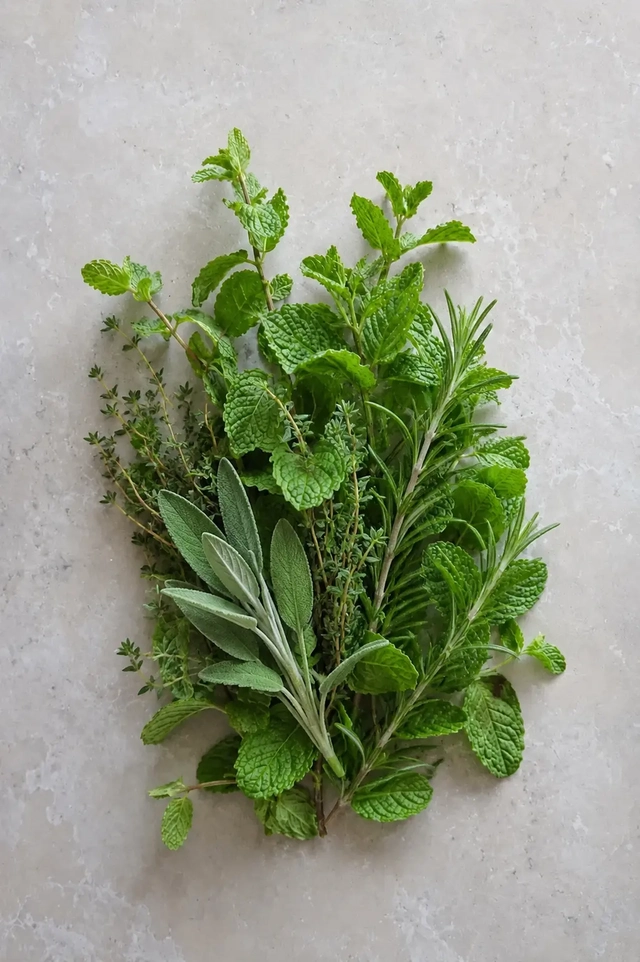
The Mediterranean region is rich in aromatic herbs such as rosemary, basil, thyme, oregano, mint, and sage. Sumac, made from dried and ground berries, is also widely used in parts of Mediterranean and Middle Eastern cooking.
These ingredients can be used fresh or dried to season vegetables, legumes, grains, sauces, and marinades. They bring depth, fragrance, and character to food, making it possible to create flavourful dishes without relying heavily on salt or highly processed seasonings. Most of them are a source of Umami flavour!
Garlic is another essential ingredient in Mediterranean cooking, where it is used to build flavour in sauces, soups, legumes, vegetables, and marinades. It contains sulphur compounds, including allicin, that have demonstrated antimicrobial properties in laboratory studies. This is why garlic is sometimes described as a “natural antibiotic”. Beyond its potential health properties, garlic is one of the simplest ways to add depth and umami to plant-based dishes, particularly when combined with olive oil, herbs, tomatoes, and lemon.
These are the flavours that define Mediterranean cooking. They make it fresh, vibrant, deeply satisfying, and immediately recognisable, but they also contribute to why the Mediterranean diet is considered one of the healthiest eating patterns in the world.
Whole Grains and Balanced Carbohydrates
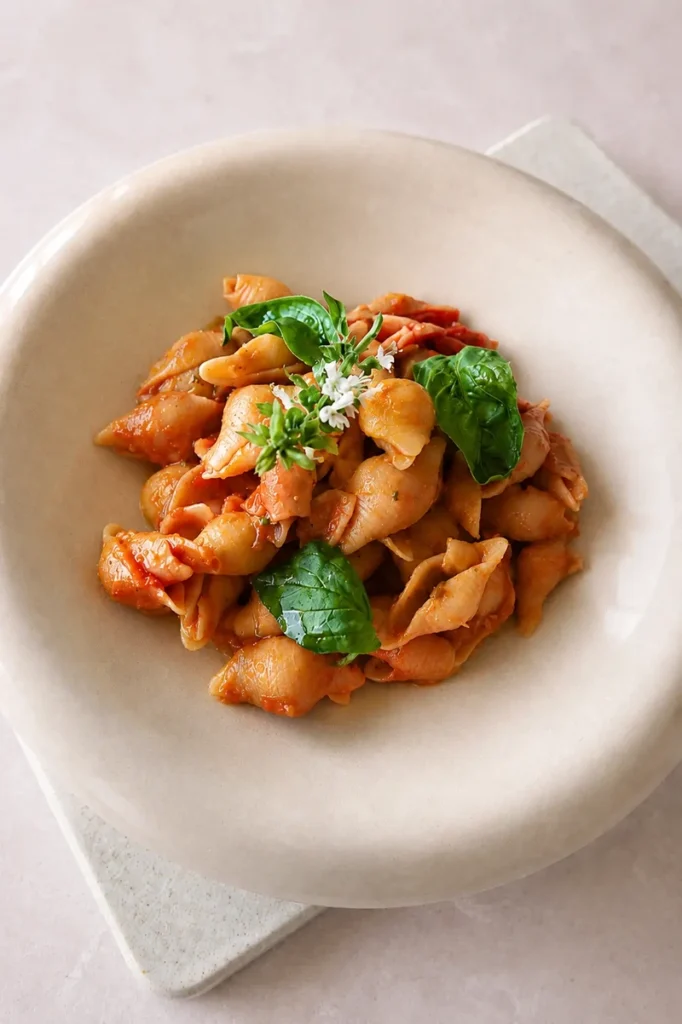
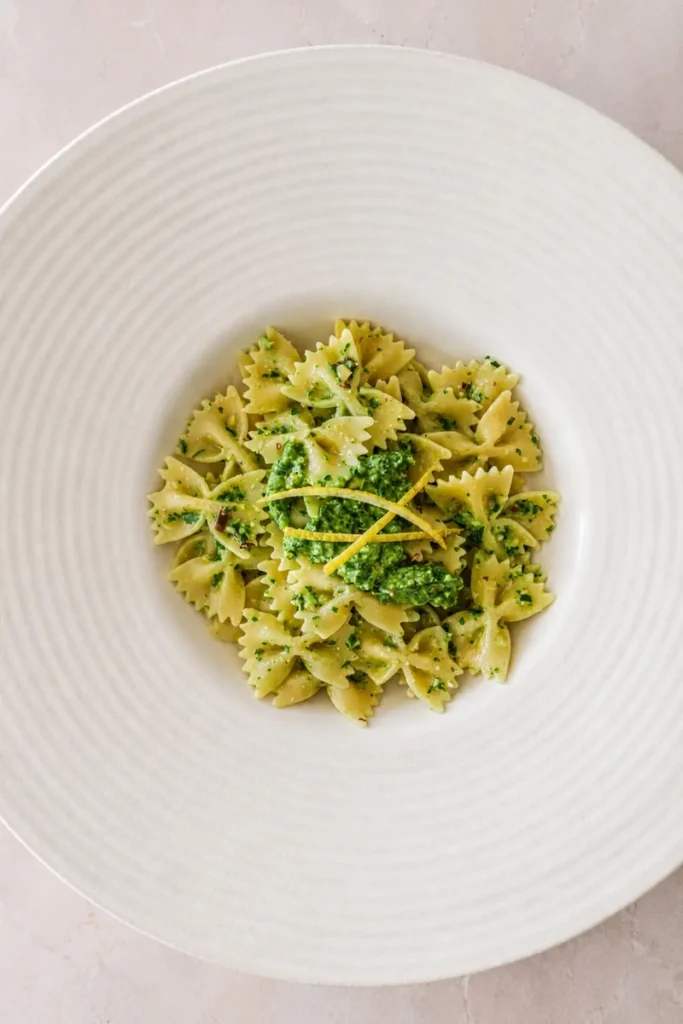
Pasta is perhaps the dish most closely associated with Mediterranean cooking. A simple plate of pasta with fresh tomatoes, extra virgin olive oil, and basil is one of the easiest meals to prepare, yet also one of the most satisfying when made with ripe, flavourful ingredients. Along the Italian coast and throughout the country, it sits beside other traditional dishes such as pasta with pesto, pasta with aubergines, and fresh rice salads.
One of the strengths of the Mediterranean diet is its regular but balanced inclusion of carbohydrates. Rather than removing them, this way of eating combines pasta, rice, bread, potatoes, and grains with generous portions of vegetables, legumes, and healthy fats.
Carbohydrates are the body’s main source of energy, supporting both physical activity and the normal functioning of the brain and other organs. Whole grains also provide fibre and a wider range of nutrients than their more refined counterparts, helping to make meals more nourishing and satisfying.
For those following a gluten-free diet, like me, whole grains do not have to mean wheat. Brown rice, buckwheat, millet, quinoa, certified gluten-free oats, polenta, and naturally gluten-free pasta can all form part of a balanced vegan Mediterranean diet. The important point is not to avoid carbohydrates, but to choose good-quality sources, vary them throughout the week, and serve them as part of a complete meal. Every single day ( Not exactly a hardship, right? ).
How to Build a Balanced Vegan Mediterranean Plate
The Mediterranean diet is not very different from a balanced vegan diet: its fundamental principles are essentially the same. A meal inspired by the vegan Mediterranean diet should ideally include:
- 50% vegetables: cooked or raw, preferably seasonal and varied in colour. Think tomatoes, like my easy 3-ingredients tomato soup, zucchini, eggplants, leafy greens, peppers, broccoli, or a fresh mixed salad.
- 25% plant-based protein: mainly beans, chickpeas, lentils, peas, or fava beans. Tofu and tempeh can also be included, even though they are not traditional Mediterranean ingredients.
- 25% whole grains or starchy carbohydrates: such as brown rice, buckwheat, millet, quinoa, polenta, potatoes, or gluten-free pasta and bread.
- A source of healthy fats: usually extra virgin olive oil, with nuts, seeds, olives, or tahini added depending on the meal.
- Herbs, garlic, spices, lemon juice, and citrus zest can then be used generously to build flavour without relying on heavy sauces or highly processed seasonings.
These proportions are not a strict mathematical formula. Some meals will naturally contain more legumes, grains, or vegetables than others, and balance does not need to be perfect at every sitting. What matters is the overall variety and nutritional balance achieved throughout the day and across the week.
Can a Vegan Mediterranean Diet Be Gluten-Free?
As we have seen, carbohydrates are an important part of a balanced diet and do not need to be eliminated simply because you avoid gluten. In my guide to following a balanced vegan and gluten-free diet, you can find more detailed information on choosing suitable carbohydrate sources and building complete meals.
Adapting a vegan Mediterranean diet to be gluten-free is surprisingly simple. Wheat-based pasta, bread, couscous, and bulgur can be replaced with naturally gluten-free grains, rice, potatoes, corn, legumes, and pseudocereals.
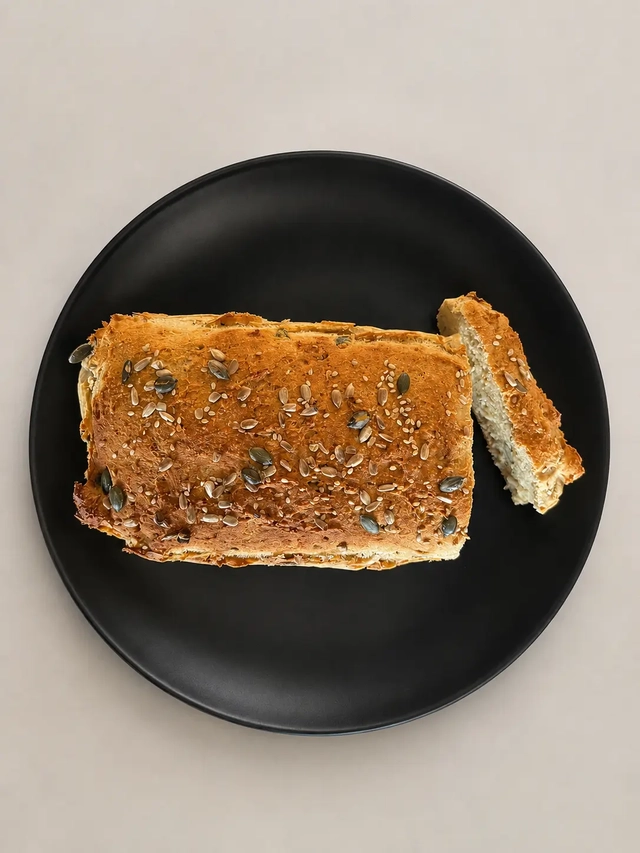
Many iconic Mediterranean dishes are already naturally gluten-free ( or require only very small adjustments). Think of Italian risotto and polenta, Spanish paella, Greek lemon potatoes, rice-stuffed vegetables, or farinata, the thin chickpea-flour pancakes traditionally prepared in Italy and southern France.
Brown rice, buckwheat, millet, quinoa, certified gluten-free oats, cornmeal, potatoes, and gluten-free pasta can all be used to bring variety to everyday meals. Pseudocereals such as quinoa and buckwheat may not belong to every traditional Mediterranean kitchen, but they fit naturally into its philosophy of simple ingredients, vegetables, legumes, herbs, and healthy fats.
With suitable substitutions, a vegan Mediterranean diet can remain varied, generous, and deeply satisfying without containing gluten.
FAQ’s About Following A Vegan Mediterranean Diet
You’ll find answers to some of the most common questions below. If there is anything else you would like to know, feel free to leave your question in the comments.
For more practical guidance on building a balanced vegan diet, explore these related articles:
There is no traditional Mediterranean dietary model officially known by this exact name, but a vegan Mediterranean diet certainly exists. In fact, one of the main reasons the Mediterranean diet is widely regarded as one of the healthiest eating patterns is its strong emphasis on plant-based foods, combined with a very limited intake of ultra-processed products and a preference for fresh, minimally processed ingredients. This means that a well-balanced vegan diet already shares many of the same foundations as the Mediterranean diet: vegetables, fruit, legumes, whole grains, nuts, seeds, olive oil, herbs, and simple cooking methods.
An increasing number of scientific studies are showing that a well-balanced vegan diet is among the best dietary patterns for health, and this has now become well established. Some studies have also found that a vegan diet is healthier than a Mediterranean diet when it comes to weight loss and cardiometabolic health. This is because a vegan diet includes all the benefits associated with the main foods of the Mediterranean diet, while also excluding fats from animal-derived products, such as cheese and other dairy foods.
As always, the best option for our health is usually something homemade. Although there are now several brands offering vegan and gluten-free products made with better-quality ingredients, the simplest choice is still to keep food as fresh and minimally processed as possible. Hummus served with raw vegetables or slices of gluten-free bread is a perfect Mediterranean snack: satisfying, rich in plant-based protein, and very easy to prepare. Chickpeas can also be roasted until crunchy and eaten on their own as a savoury snack. Nuts are another excellent option within a Mediterranean diet. A small handful, around 30 grams, is a practical daily portion and provides healthy fats, fibre, plant-based protein, and important micronutrients.