This article contains affiliate links. If you purchase through them, INUMAMI may earn a small commission at no extra cost to you. We only recommend what we genuinely use and trust and your support means the world to us.
Eating a vegan and gluten-free diet is absolutely possible and entirely manageable. I am living proof of that.
A few years ago, when I was looking for a vegan chef school that also included gluten-free cooking, I honestly thought I would never find one. Then I found it in London, and it felt like a small miracle. What surprised me most was that the chef school’s philosophy was not only about accommodating conditions such as coeliac disease or gluten intolerance. It was also rooted in a broader idea of healthy cooking, one that avoids ingredients considered inflammatory and focuses on food that is both nourishing and inclusive.
Things are changing quickly now, and many vegan products available in shops are also gluten-free and produced with attention to cross-contamination.
In this article, we will look at how to build a balanced vegan and gluten-free diet, along with practical tips to make it work without unnecessary deficiencies, and certainly without sacrificing flavour.
Is Vegan Gluten Free?
No! Vegan food is not automatically gluten-free. The two terms describe completely different things: vegan food contains no animal-derived ingredients, while gluten-free food excludes gluten, a protein found in wheat, barley and rye.
I’m not sure why the two things are so often confused, but to put it simply: a piece of chicken can be gluten-free, but it is obviously not vegan. A loaf of bread made without any animal-derived ingredients can be completely vegan, but if it is made with regular wheat flour, it still contains gluten.
What I can say, though, after years of being vegan, eating gluten-free and travelling a lot, is that I have often found much more awareness around gluten in fully plant-based restaurants. There tends to be a stronger desire to be inclusive, and in my experience you are more likely to find clearly marked gluten-free dishes, knowledgeable staff, safer menu options or, in some cases, even separate preparation areas.
Can You Follow a Vegan and Gluten-Free Diet?
There are many articles, recommendations, and professionals who advise against following a gluten-free diet ( vegan or otherwise ) unless there is a specific medical reason to do so.
The real, evidence-based concern is not the removal of gluten itself. The problem begins when gluten-containing foods are replaced mainly with highly processed commercial substitutes. In that case, it becomes easy to rely on products that are low in fibre, less nutritionally complete, and often higher in refined starches, sugar, salt, or additives.
But this is true with or without gluten. No healthy, balanced diet should depend heavily on industrially processed foods. The confusion often comes from treating the label gluten-free as if it automatically meant healthy, when of course it does not. The same applies to processed vegan foods.
In other words, the absence of gluten is not the problem. What matters is how we replace it, which foods we choose instead, and whether the overall diet remains varied, nourishing, and balanced.
You can absolutely follow a vegan and gluten-free diet, just as I have been doing for years. I am living proof that it is not only manageable, but can also be healthy when, like any way of eating, it is approached with knowledge, awareness, and nutritional balance.
My diet, as you can see from my recipes, is also completely refined sugar-free, which already rules out many ready-made industrial products. Even so, it does not feel restrictive or limiting in the slightest.
What Can You Eat on a Vegan and Gluten-Free Diet?
The truth is that a vegan and gluten-free diet can include an enormous variety of foods, so many, in fact, that it is far less limiting than people often imagine.
Do not misunderstand me: anything new, especially a meaningful change in the way we eat, can feel difficult at first. It takes practice, knowledge, and experience. Some people already assume that a vegan diet is restrictive ( which it is not) so the idea of also removing gluten can sound even more limiting.
But I can assure you that this does not have to be the case. I manage to eat well even while travelling and exploring new cities. My guides in the Where to Eat section are proof of that: there, I review restaurants around the world that serve exclusively, or also, vegan and gluten-free food.
The foundations of a balanced diet are the same for everyone. We need plenty of fibre, proteins, sufficient vitamins and minerals, carbohydrates, and healthy fats. The real question is not how many foods we remove, but whether we know how to replace them in a complete, varied, and nourishing way.
Vegan and Gluten-Free Carbohydrate Sources
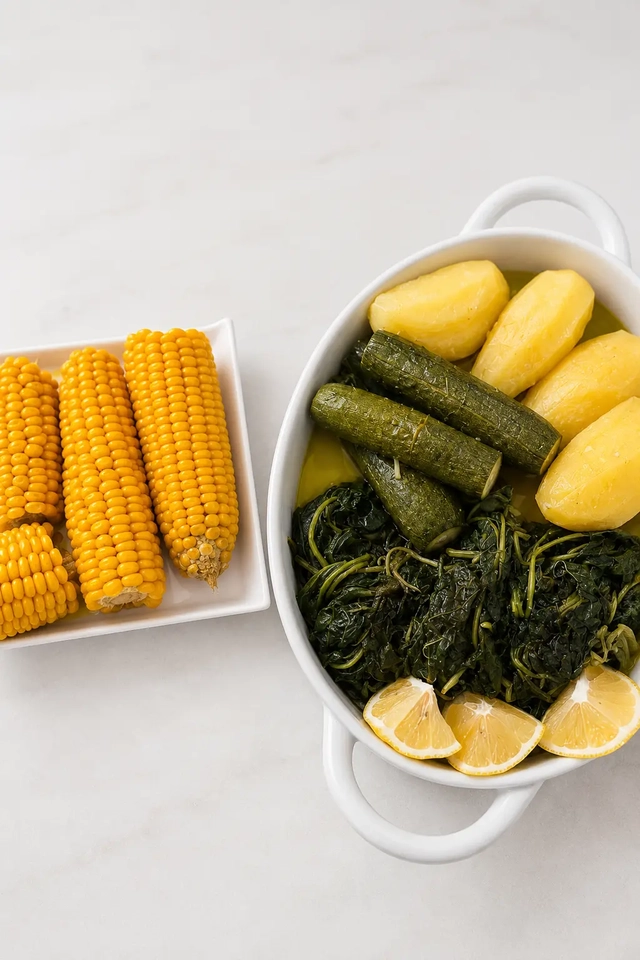
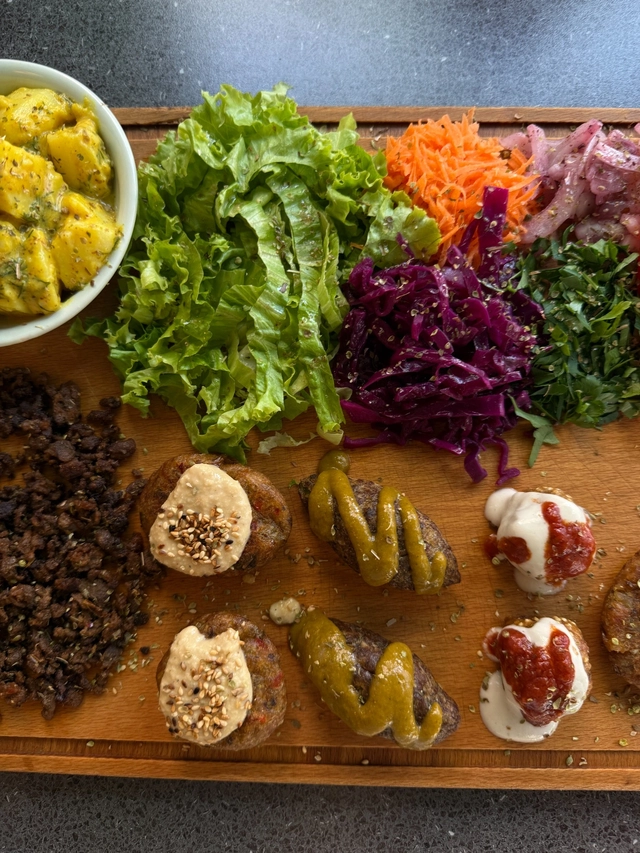
This is, of course, the area that can feel the most restrictive, since gluten is found in several of the grains most commonly used in everyday cooking. But this is also where a whole world of discovery opens up. Ancient grains, naturally gluten-free grains, and pseudocereals are among the best sources of complex carbohydrates, fibre, minerals, and plant-based nutrients.
These are the ones I use most regularly:
- Brown rice: One of my everyday staples. It is naturally gluten-free, filling, versatile, and a good source of complex carbohydrates and fibre.
- White rice and basmati rice: Easier to digest than brown rice and perfect with curries, legumes, stir-fries, soups, and vegetable dishes.
- Quinoa: Technically a pseudocereal, quinoa is naturally gluten-free and also provides protein, fibre, iron, and magnesium. I often use it in salads, bowls, and as an alternative to rice.
- Buckwheat: Despite its name, buckwheat is not related to wheat and is naturally gluten-free. It has a deep, slightly nutty flavour and works beautifully in bread, pancakes, noodles, and baked recipes.
- Millet: A delicate ancient grain with a mild flavour. It can be served like rice, added to salads, or cooked until soft for a comforting porridge-style dish, perfect for breakfast.
- Certified gluten-free oats: Oats are naturally gluten-free, but they are often contaminated during growing or processing. If you have coeliac disease, always choose oats that are clearly certified gluten-free. I use them for porridge, granola, cookies, and baking.
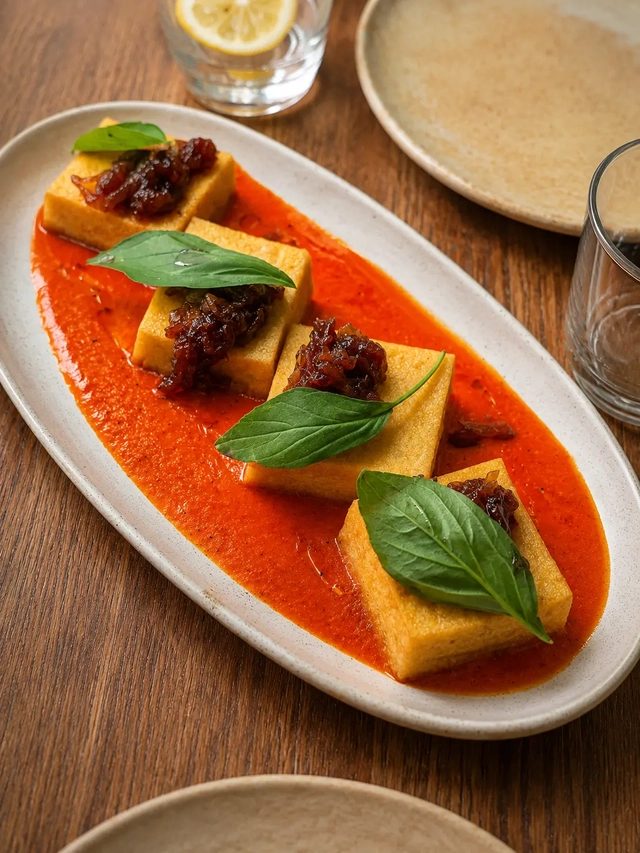
- Corn and polenta: Corn is naturally gluten-free and extremely versatile. Polenta can be served soft and creamy, baked, grilled, or used as a base for vegetables and legumes.
- Amaranth: Another naturally gluten-free pseudocereal, rich in fibre, minerals, and plant-based protein. It has a distinctive flavour and works well in porridge, patties, or mixed with other grains.
- Sorghum: A naturally gluten-free whole grain with a slightly sweet flavour. It can be cooked whole, used in salads, or ground into flour for baking.
- Teff: A tiny ancient grain traditionally used in Ethiopian cuisine. It is naturally gluten-free and rich in iron, fibre, and minerals. Teff flour is particularly useful for pancakes, flatbreads, and baked recipes.
- Gluten-free pasta: Pasta made from rice, corn, quinoa, buckwheat, chickpeas, lentils, or mixed gluten-free flours can be a useful and satisfying option. I usually choose varieties with a short ingredient list and, when possible, some fibre or protein. You can check my Vegan Pantry list.
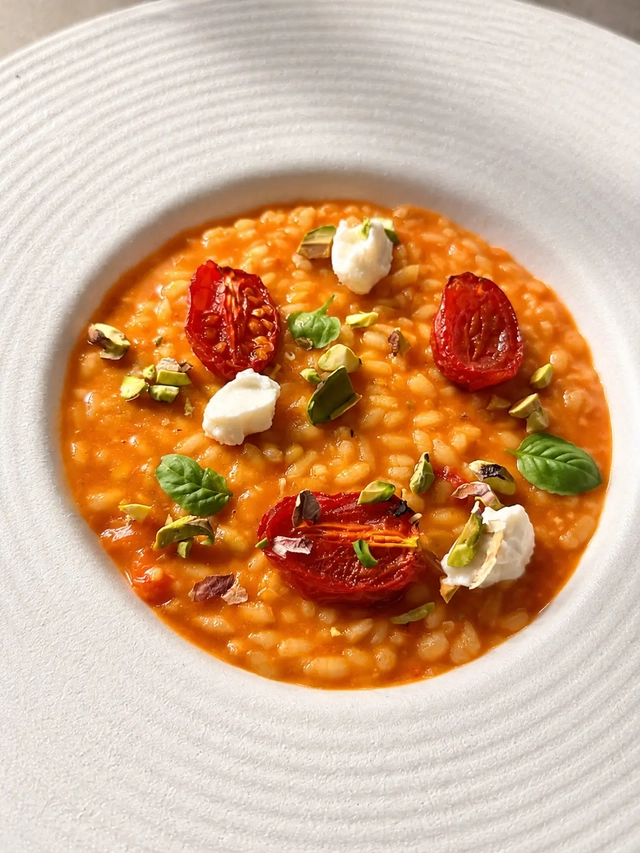
Vegan and Gluten-Free Protein Sources
Protein is much less complicated once seitan is removed from the picture. Seitan is widely used in plant-based cooking, but because it is made from wheat gluten, it is not suitable for a gluten-free diet. Fortunately, there are still plenty of naturally vegan and gluten-free protein sources.
These are the ones I eat most regularly:
- Lentils: Red, green, brown, or black lentils are among the most practical plant-based protein sources. I use them in dahls, soups, salads, patties, and sauces.
- Chickpeas: Extremely versatile and naturally gluten-free. I use them for hummus, salads, curries, soups, falafel-style patties, and crispy roasted toppings.
- Beans: Black beans, kidney beans, cannellini beans, borlotti beans, and butter beans all provide protein, fibre, minerals, and lasting energy. They work beautifully in salads, soups, stews, bowls, and sauces.
- Tofu: One of my most reliable protein sources. Tofu is neutral, versatile, and easy to use in both savoury and sweet recipes. I cook it scrambled, roasted, marinated, grilled, or blended into creamy sauces for desserts.
- Tempeh: Tempeh is made from fermented soybeans and has a firmer texture and deeper flavour than tofu. It is naturally gluten-free, but always check the label, especially if it has been marinated or seasoned.
- Edamame: Young soybeans are fresh, filling, and rich in protein. I add them to bowls, salads, stir-fries, or eat them simply steamed with a little salt.
- Peas: Green peas and split peas are simple but often underestimated protein sources. They are perfect in soups, purées, pasta sauces, and vegetable side dishes.
- Quinoa: Although usually considered a carbohydrate source, quinoa also provides a useful amount of plant-based protein. I often combine it with legumes, vegetables, seeds, and sauces for a complete bowl.
- Soy yogurt: Unsweetened soy yogurt adds protein while also working as a breakfast base, dip, sauce, or creamy topping for curries and soups.
- Nuts and nut butters: Almonds, peanuts, cashews, walnuts, and their butters provide protein together with healthy fats. I use them in breakfasts, sauces, desserts, snacks, and dressings.
- Seeds: Hemp, chia, pumpkin, sunflower, sesame, and flax seeds are small but nutritionally valuable. They are easy to add to yogurt, porridge, salads, bread, bowls, and sauces.
- Gluten-free legume pasta: Pasta made from chickpeas, lentils, peas, or beans can be a useful option when I want a meal that combines carbohydrates and protein in one ingredient.
Vegan and Gluten Free Healthy Fats
Here too, the choice is varied and the limitations are few. We are often afraid of fat, as though eating it will automatically interfere with weight maintenance, but that is not how it works. Our bodies need dietary fat for energy, hormone production, cell function, and the absorption of fat-soluble vitamins.
The key is choosing nourishing sources and including them in portions that suit your individual needs. If you would like a closer look at how I distribute fats, carbohydrates, protein, and other nutrients throughout a typical day, you can read my article on what I eat in a day as a vegan.
These are some of my weekly go-to sources of healthy fats:
- Extra virgin olive oil: My main cooking and dressing oil. I use it in vinaigrettes, sauces, roasted vegetables, soups, and to finish dishes before serving. It’s also one of the simplest ways to add richness to fresh dishes, like my Fig Carpaccio, where I use it to make a bright basil oil.
- Avocado: One of my favourite additions to salads, bowls, toast, wraps, and gluten-free bagels. It adds creaminess, fibre, and satisfying monounsaturated fats.
- Nuts: Almonds, walnuts, pecans, pistachios, peanuts, and cashews are among the nuts I eat most regularly. I add them to breakfasts, salads, sauces, baked recipes dessert, and snacks.
- Nut butters: Almond butter and peanut butter are two of my staples. They work beautifully with fruit, porridge, yogurt, toast, smoothies, sauces, and desserts.
- Tahini: Made from sesame seeds, tahini is naturally vegan and gluten-free. I use it in hummus, dressings, sauces, bowls, and desserts.
- Coconut milk: I mainly use full-fat coconut milk in curries, soups, sauces, and desserts. It adds richness and creates a creamy texture without dairy.
- Olives: A simple source of fat and flavour that I often add to salads, Mediterranean-style bowls, pasta dishes, and appetisers.
- Dark chocolate: I regularly enjoy dark chocolate as part of a snack or dessert. When choosing it, I check that it is vegan and gluten-free, particularly if cross-contamination is a concern.
Gluten-Free Flours for Vegan Cooking and Baking
Flour is often one of the first things people worry about when removing gluten, especially if they enjoy baking. The good news is that there is no single gluten-free flour to replace wheat in every recipe. Instead, different flours bring different textures, flavours, and nutritional qualities, and learning how to combine them opens up far more possibilities than it takes away.
These are the gluten-free flours I use most often:
- Brown rice flour: One of the most versatile gluten-free flours. It has a mild flavour and works well in cakes, cookies, bread, pancakes, and savoury batters.
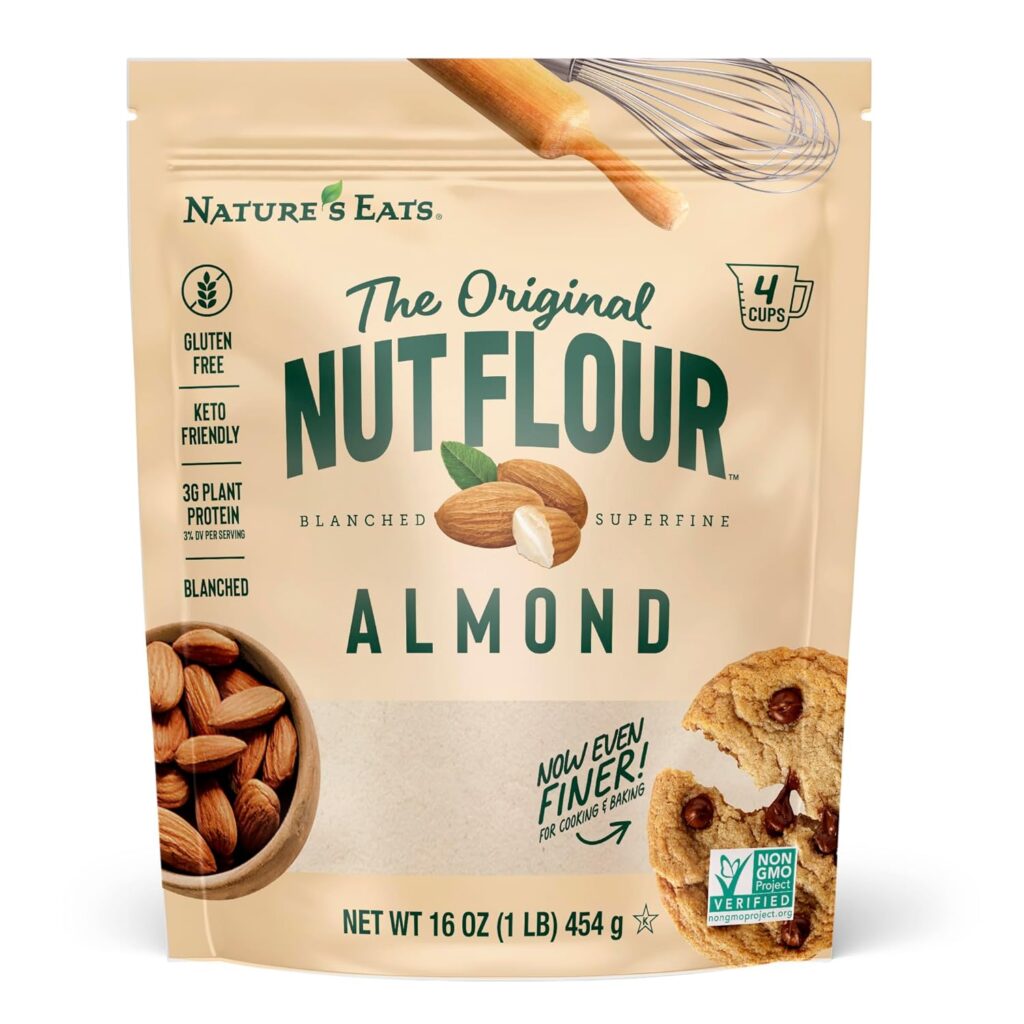
- Almond flour: Naturally rich in healthy fats and protein, almond flour adds moisture, softness, and a delicate nutty flavour. I often use it in cakes, tart crusts, cookies, and desserts.
- Buckwheat flour: Despite its name, buckwheat is naturally gluten-free. It has a deep, earthy flavour and is particularly good in pancakes, bread, crêpes, and savoury recipes.
- Oat flour: Made from finely ground certified gluten-free oats, oat flour gives baked goods a soft texture and mild flavour. It works beautifully in cookies, muffins, banana bread, and pancakes.
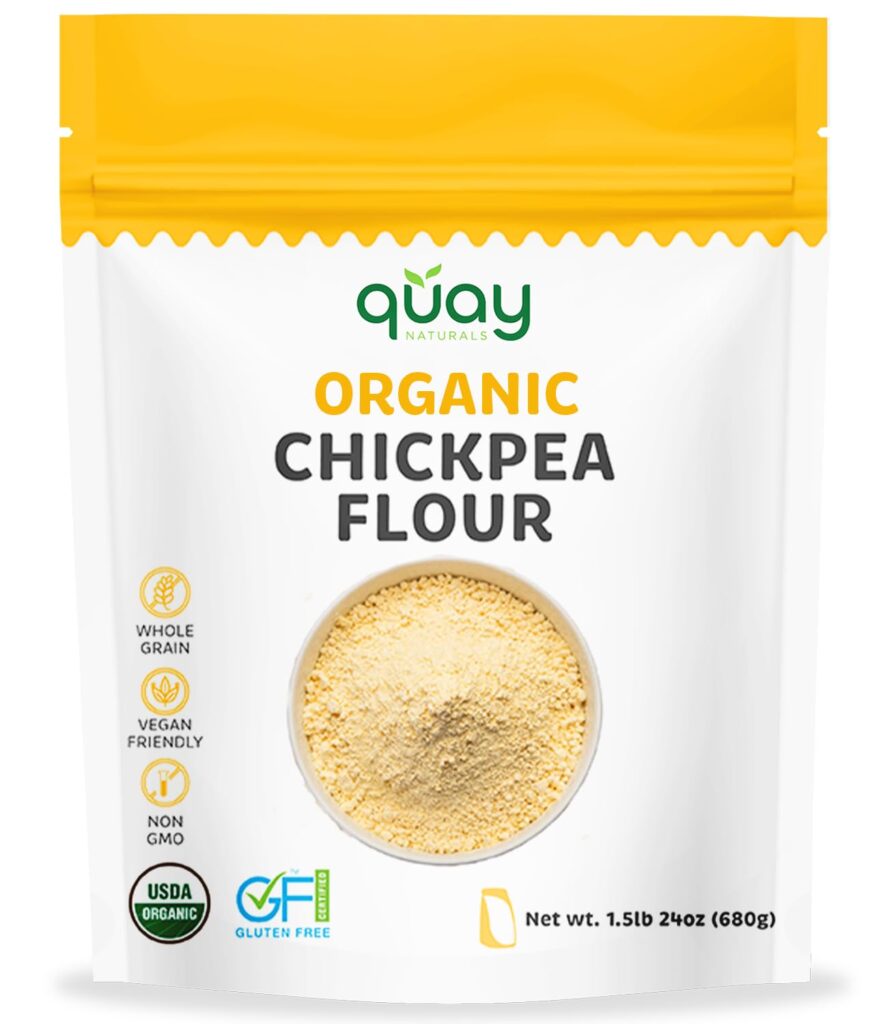
- Chickpea flour: Naturally high in protein and fibre, chickpea flour is ideal for savoury recipes such as flatbreads, fritters, pancakes, batters, and vegetable patties.
- Sorghum flour: A mild, slightly sweet flour that works well in gluten-free baking blends. It helps create a softer texture in cakes, bread, and muffins.
- Millet flour: Light and delicate, millet flour can be used in pancakes, bread, cakes, and biscuits. It works best when combined with other gluten-free flours.
- Teff flour: Rich in flavour and minerals, teff flour is excellent for flatbreads, pancakes, cookies, and darker baked goods.
- Corn flour and cornmeal: Useful for cornbread, savoury bakes, breading, and certain cakes. Always check the label if cross-contamination is a concern.
- Tapioca starch: Not a flour in the traditional sense, but extremely useful in gluten-free baking. It adds elasticity, lightness, and chewiness to breads, doughs, and cakes.
- Potato starch: Helpful for creating softness and structure in cakes, bread, and flour blends. It is different from potato flour, so the two should not be used interchangeably.
- Arrowroot starch: A useful thickener and baking ingredient that can help improve texture in sauces, puddings, biscuits, and gluten-free flour blends.
Common Mistakes to Avoid in a Vegan and Gluten Free Diet
Following a vegan and gluten-free diet can be healthy, varied, and satisfying, but there are a few common mistakes that can make it feel more restrictive or less balanced than it needs to be.
Relying Too Much on Processed Substitutes
One of the most common mistakes is replacing every gluten-containing food with a packaged gluten-free alternative. These products can be useful, but they should not become the foundation of the diet.
A better approach is to rely mainly on naturally gluten-free foods such as rice, quinoa, buckwheat, millet, potatoes, legumes, vegetables, fruit, nuts, and seeds, using packaged substitutes only for convenience rather than necessity.
Assuming Gluten-Free Automatically Means Healthy
A gluten-free label tells you that a product meets a specific gluten threshold; it does not automatically mean that the food is nutritious, high in fibre, or minimally processed. I know, it sucks.
Eating Too Little Variety
It is easy to fall into a routine of eating the same rice, tofu, vegetables, and gluten-free bread every day. Even when those foods are nutritious, relying on a narrow selection can reduce the variety of fibre, vitamins, minerals, and plant compounds in the diet.
Forgetting About Cross-Contamination
For someone with coeliac disease, choosing naturally gluten-free ingredients is not always enough. Gluten can be introduced through shared utensils, chopping boards, toasters, frying oil, condiments, and preparation surfaces.
Assuming Every Vegan Product Is Gluten-Free
Nope, it’s not. Seitan is the most obvious example, since it is made from wheat gluten. But gluten can also appear in vegan burgers, sausages, sauces, marinades, soy sauce, stock cubes, protein products, and meat substitutes. Always check the label rather than assuming that a product is safe simply because it is plant-based.
Forgetting to Check Oats
Oats are naturally gluten-free, but they are frequently exposed to wheat, barley, or rye during farming and processing. If you have coeliac disease, use oats specifically labelled or certified gluten-free.
Forgetting to Check Soy Sauce
Standard soy sauce is usually made with wheat, which means it is not suitable for a gluten-free diet. This is one of the easiest ingredients to overlook, especially in marinades, dressings, stir-fries, restaurant dishes, and ready-made sauces.
Choose gluten-free tamari instead, but always check the label, as not every tamari is automatically certified gluten-free. I have written a complete guide to tamari where I explain what it is, how to use it, how it differs from regular soy sauce, and which brands are worth considering.
How to Build a Balanced Vegan and Gluten-Free Meal
Building a balanced vegan and gluten-free meal is much simpler once you stop thinking in terms of restrictions and start thinking in terms of structure.
A complete meal does not need to be complicated, but it should usually include a few key elements:
- A source of carbohydrates
- A source of plant-based protein
- Vegetables or fruit
- Healthy fats
- Enough flavour ( Check my list of Umami foods! )
The goal is not perfection at every meal. What matters most is the overall balance across the day and the week, together with enough variety to keep the diet nourishing, flexible, and genuinely enjoyable.
Examples of balanced meals:
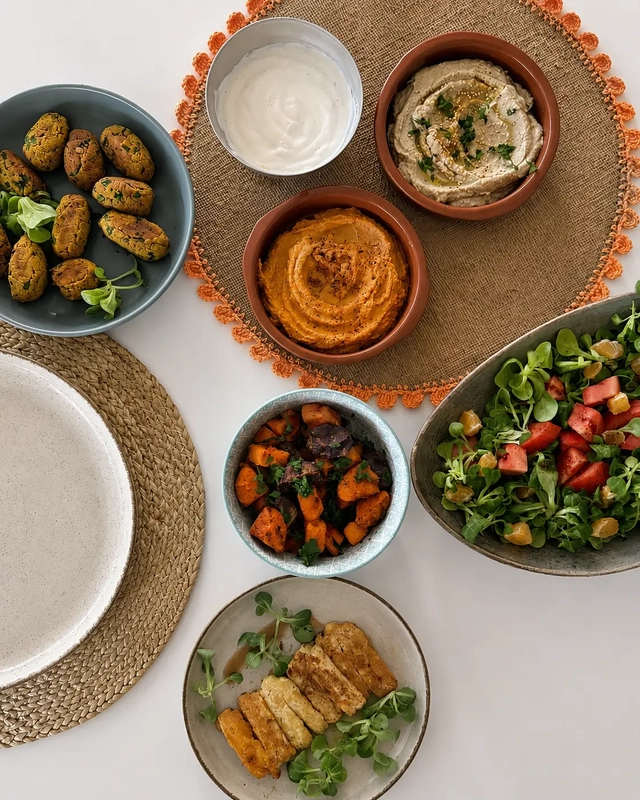
- Brown rice, marinated tofu, sautéed vegetables, sesame seeds, and tamari dressing
- Quinoa, chickpeas, cucumber, tomatoes, avocado, and lemon vinaigrette
- Potatoes, lentils, roasted vegetables, olive oil, and fresh herbs
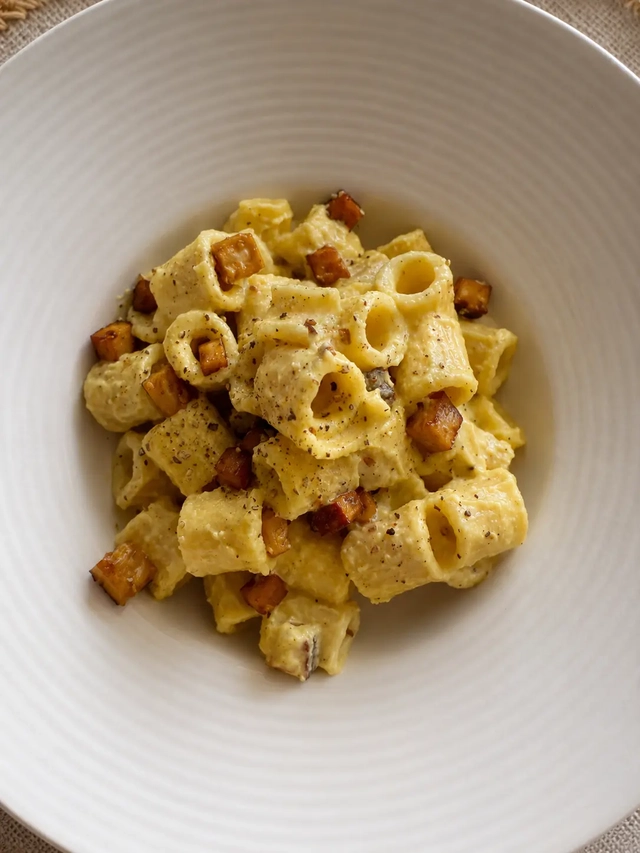
- Gluten-free pasta, spinach, walnuts, and nutritional yeast
- Caramelized roasted heirloom carrots with lemon chickpea cream, chopped almonds, fresh herbs, and a simple green salad
Frequently Asked Questions About a Vegan and Gluten-Free Diet
Below, I have answered some of the most common questions about following a vegan and gluten-free diet. If there is something you are still unsure about, or a topic you would like me to explore in more detail, feel free to leave your question in the comments. I am always happy to add new answers and expand this guide over time.
Yes, it is possible to follow a vegan diet that is both gluten-free and soy-free, although it requires a little more planning because tofu, tempeh, edamame, and many vegan substitutes will no longer be available. Protein can come from lentils, chickpeas, beans, peas, quinoa, nuts, seeds, hemp seeds, chia seeds, and gluten-free legume pasta. You can also use chickpea flour, pea protein products, and nut- or seed-based sauces, provided the labels are suitable for your needs.
The cost depends largely on the foods you choose. A vegan and gluten-free diet does not have to be expensive when it is based mainly on naturally gluten-free staples such as rice, potatoes, polenta, lentils, chickpeas, beans, seasonal vegetables, fruit, nuts, and seeds. To keep costs manageable, I recommend buying legumes and grains in larger quantities, cooking from scratch when possible, choosing seasonal produce, and treating packaged substitutes as occasional conveniences rather than the foundation of the diet.
It can be healthy and nutritionally complete when it is varied, balanced, and properly planned. Removing animal products and gluten does not automatically create a healthy diet, just as including them does not automatically create an unhealthy one.
No! Vegan and gluten-free describe two different things. Vegan food contains no animal-derived ingredients, while gluten-free food excludes wheat, barley, rye, and their derivatives. Many vegan foods contain gluten, including seitan, regular bread, pasta, some meat substitutes, soy sauce, sauces, marinades, and processed products. Always check the label rather than assuming that vegan also means gluten-free.
Yes. Gluten-free and dairy-free are two separate dietary requirements, so it is entirely possible to follow both at the same time. You simply need to avoid gluten-containing grains as well as milk and dairy-derived ingredients.
If you want to understand the dairy-free side more clearly, I explain the difference between vegan, plant-based and dairy-free foods in my guide to whether vegan food is dairy-free.