This article contains affiliate links. If you purchase through them, INUMAMI may earn a small commission at no extra cost to you. We only recommend what we genuinely use and trust and your support means the world to us.
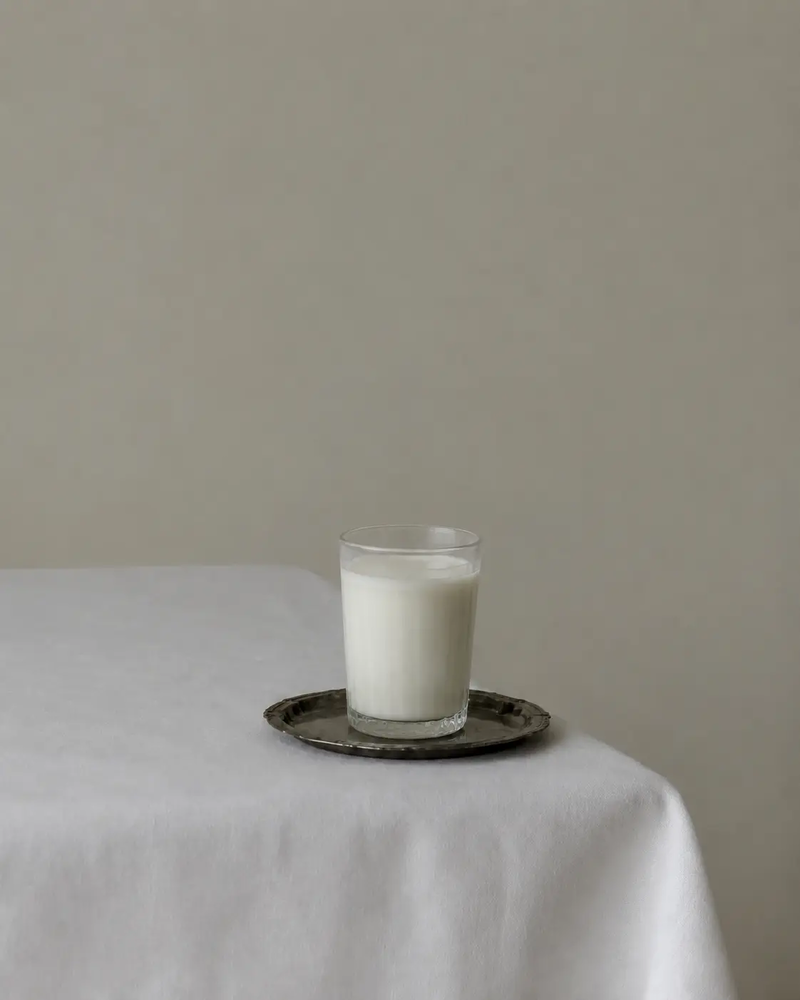
Yes, vegan food is dairy-free. A vegan diet excludes all animal-derived products, including milk, butter, cheese, cream, yogurt, and other ingredients made from dairy. So, if you’re looking for dairy-free products, perhaps because of allergies or intolerances, vegan products are a safe choice.
However, dairy-free does not always mean vegan. So if you are looking for vegan or plant-based products, a dairy-free label is not an absolute guarantee. A dairy-free product may still contain eggs, honey, meat, fish, or other animal-derived ingredients.
It sounds simple, but the two terms are often used interchangeably on food labels, recipes, and menus, which can make things surprisingly confusing. Here is exactly what each one means, how they differ, and what to look for when choosing vegan food.
First, Let’s Clarify the Labels
Before getting into whether vegan means dairy-free, it helps to understand what the most common food labels actually mean. Vegan, vegetarian, dairy-free, and lactose-free are not interchangeable terms, even though they can sometimes overlap.
- Vegan refers to the complete absence of animal exploitation, not only to food made from plants. In food, this means that a product contains no animal-derived ingredients, including meat, fish, dairy products, eggs, honey, gelatin, or other ingredients of animal origin. Food made exclusively from plants is more specifically described as plant-based, although the two terms can overlap.
- Vegetarian generally means that meat and fish are excluded, while dairy products and eggs may still be included. This means that vegetarian food is not necessarily dairy-free or vegan.
- Dairy-free means that a food does not contain milk or ingredients derived from milk, such as butter, cheese, cream, whey, or casein. However, it may still contain other animal-derived ingredients, including eggs or honey.
- Lactose-free is different again. Lactose is the natural sugar found in milk, so a lactose-free product may still be made from dairy. These products are usually made for people who consume dairy products but are lactose intolerant. For example, lactose-free cow’s milk is still a dairy product and is not vegan.
In simple terms, vegan food is dairy-free and lactose-free, but dairy-free and lactose-free foods are not necessarily vegan.
Dairy-Free, Explained
Dairy-free means that milk and ingredients derived from milk are excluded. It is a particularly useful indication for people with a dairy allergy, as well as for those who choose to avoid dairy for health, dietary, or personal reasons.
Just to have a better idea, ingredients considered dairy include:
- Cow’s milk
- Goat’s milk and sheep’s milk
- Butter
- Cream
- Cheese
- Yogurt
- Buttermilk
- Whey
- Casein and caseinates
- Milk powder or milk solids
- Condensed and evaporated milk
- Ghee
- Sour cream
Eating dairy-free therefore means excluding foods that come from animal milk and the products made from it. In this sense, a vegan diet naturally excludes dairy, making vegan foods suitable for people who choose to avoid dairy.
To put it simply, if you are not vegan but you follow a dairy-free diet and you see a product labelled vegan at the supermarket, you can be confident that milk and dairy ingredients have not been intentionally used in the recipe.
If you have a milk allergy, however, it is still important to check the allergen statement. Some vegan products may be made in facilities that also handle milk and can carry a “may contain milk” warning because of possible cross-contact.
For instance, vegan products designed to replace butter are made without dairy ingredients. I’ve also written an in-depth guide to vegan butter substitutes, where you can find everything you need to replace traditional butter in everyday cooking, spreading, and baking.
Dairy-Free Is Not the Same as Vegan
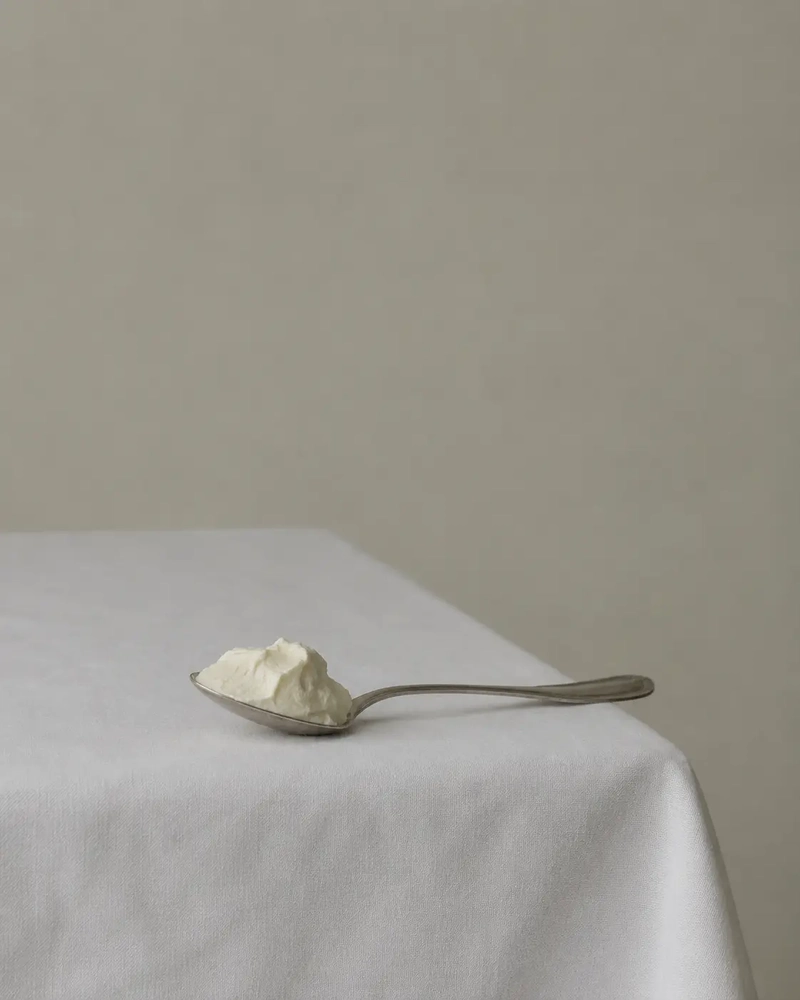
No, vegan does not simply mean dairy-free. And neither does plant-based. First of all, veganism is not just about eating food made from plants. It is an ethical choice. Animals are not exploited, killed, eaten, or worn. It goes beyond food and extends to a broader way of living.
I am vegan, and in the same way that I do not eat meat, I do not wear leather. The idea is actually simpler than it may sound: I do not want to be part of a system that exploits or abuses other living beings.
Plant-based is a more specific term. It generally refers to food made from plant ingredients and does not necessarily describe that wider ethical position.
So, someone who eats dairy-free does not necessarily follow a fully plant-based diet, and they do not necessarily follow a vegan lifestyle either. A dairy-free diet, for example, may still include fish, because fish is not a dairy product. A vegan diet, for obvious reasons, does not.
But Yes, Vegan Is 100% Dairy-Free
Of course, logically speaking, vegan food is always dairy-free. A vegan product contains no animal-derived ingredients, which means it excludes not only meat and fish, but also products made from animal milk.
So — and, i know, it almost sounds like a tongue twister — vegan is dairy-free, but dairy-free is not vegan.
Does Vegetarian Mean Dairy-Free?
A vegetarian diet is obviously not vegan, and the main difference is that, while it excludes meat and fish, it can still include animal-derived products such as milk, cheese, butter, and similar foods. So a vegetarian diet is not only different from a vegan or fully plant-based diet, but it is also not necessarily dairy-free.
Of course, it can be. A lentil and vegetable soup, for example, can be vegan, plant-based, vegetarian, and dairy-free at the same time. But if you add grated cheese to that same soup, it remains vegetarian while no longer being dairy-free ( and, of course, it is no longer vegan or plant-based either).
Why Don’t Vegans Eat Dairy?
Vegans don’t avoid dairy simply because milk is an animal-derived ingredient. The reason goes deeper and is connected to the ethical principle behind veganism: avoiding animal exploitation as far as possible ( and yes, it’s totally, fully, possible).
Milk production requires animals to produce milk for human consumption. Cows, for example, need to give birth in order to produce milk, which means dairy farming depends on a continuous cycle of breeding, pregnancy and milk production. Calves are also commonly separated from their mothers so that the milk can be collected for human use.
For this reason, from a vegan perspective, dairy is not seen as a harmless by-product of animal farming. It is part of the same system of animal use and exploitation that veganism seeks to avoid.
This is also why veganism goes beyond simply choosing plant-based ingredients. For me, the principle is quite straightforward: if I can live, cook and eat well without exploiting an animal, I choose to do so.
And giving up dairy does not mean giving up creamy sauces, butter, cheese-style foods, cakes or desserts. It simply means finding different ways to make them. Some example? Here you go:
- You don’t need milk or butter to make a truly delicious banana bread.
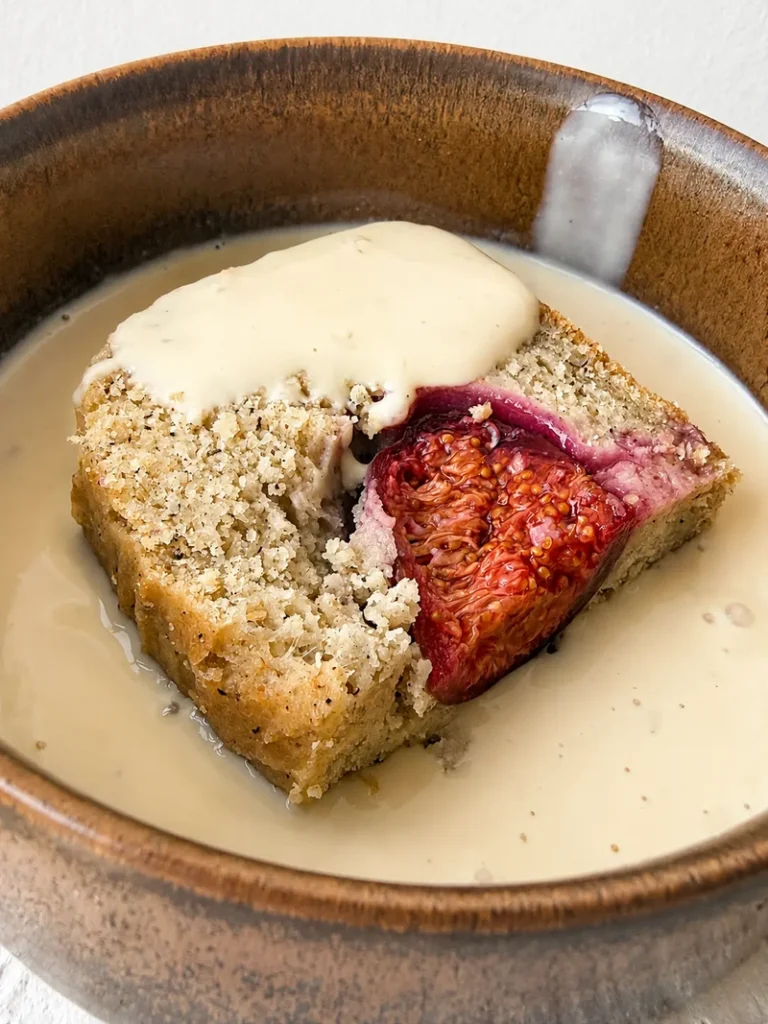
- I made this indulgent vegan crème anglaise without any dairy ingredients such as milk or butter, and it’s still wonderfully rich and creamy.
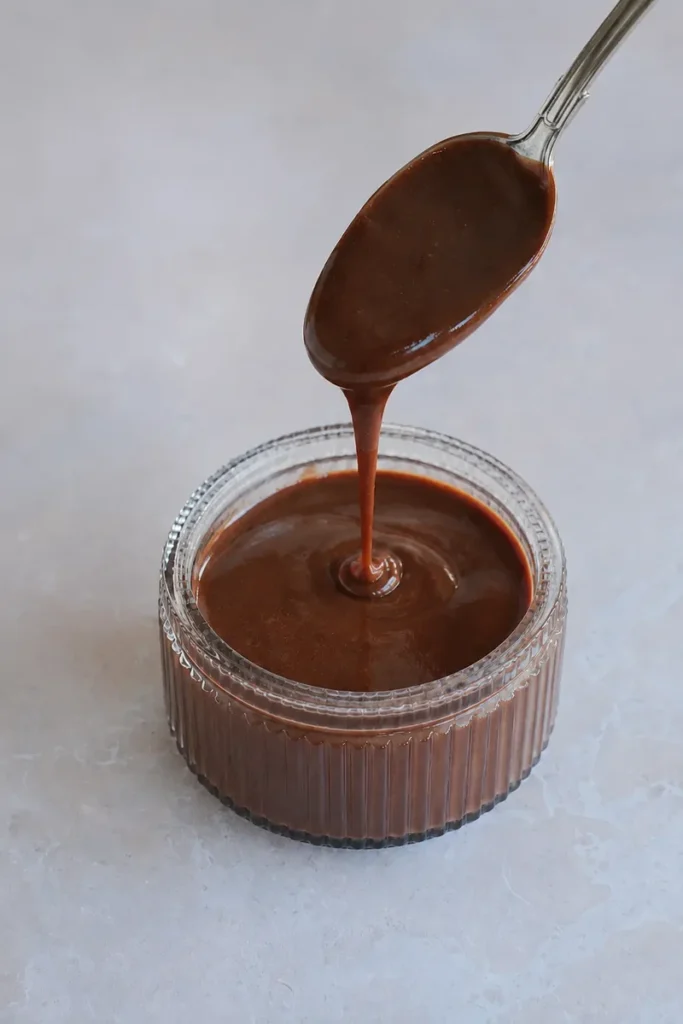
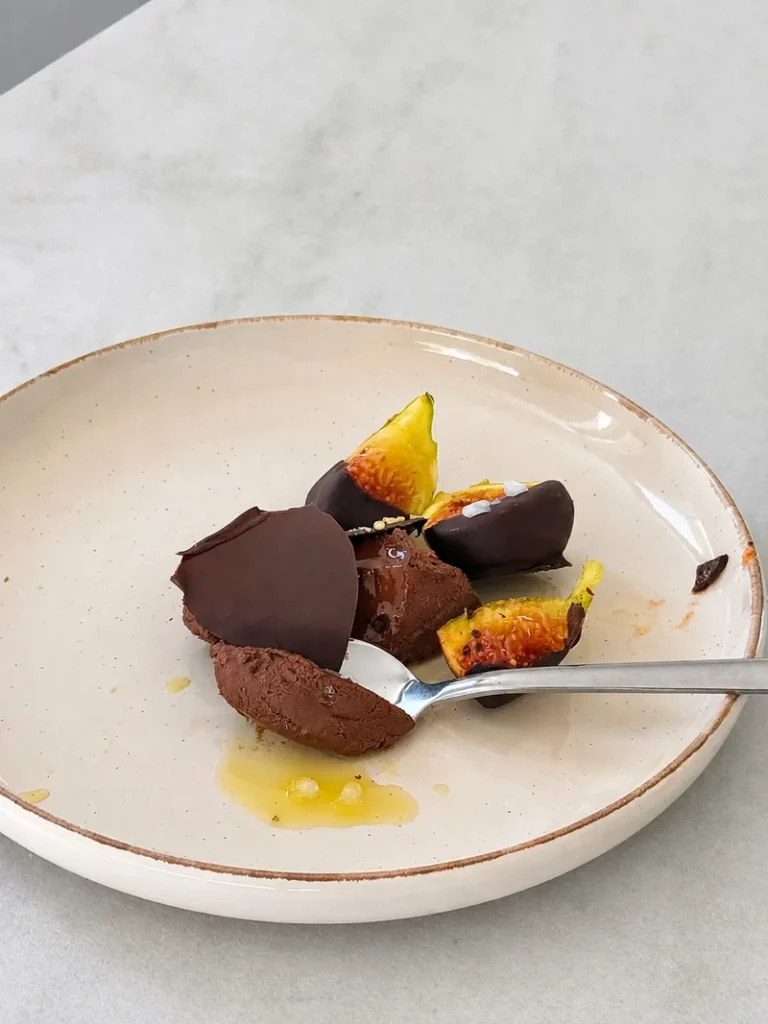
- Chocolate sauce without milk? Absolutely. It can be just as rich, smooth, and completely dairy-free.
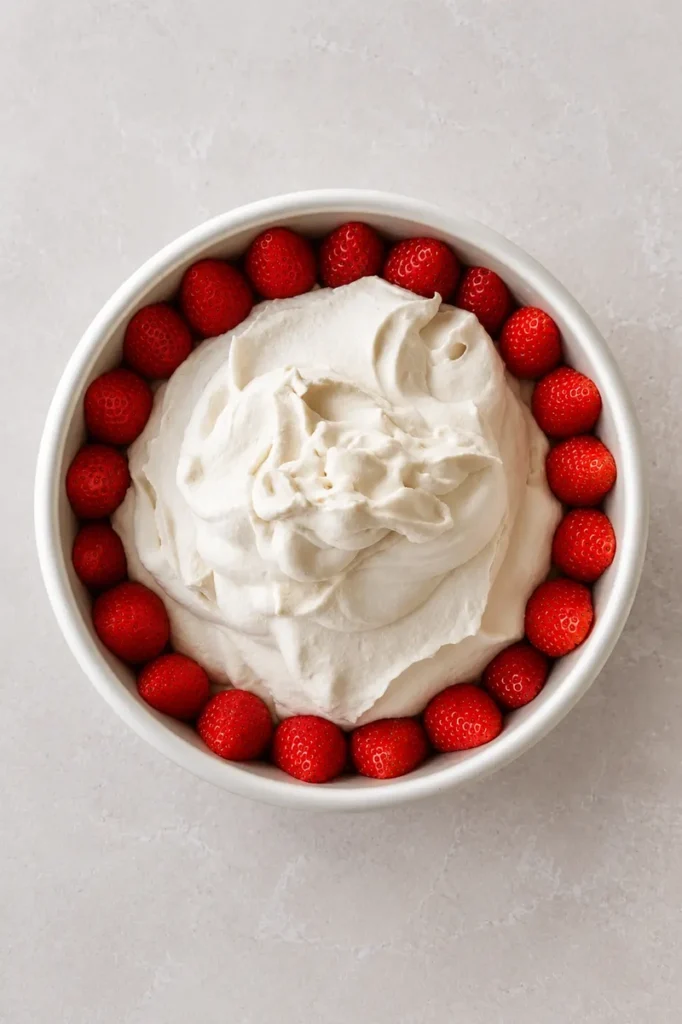
- A cheesecake, like this strawberry version, can be made without any dairy ingredients at all.
- Even a French-style potato purée can be made without milk or butter, and, spoiler: I think it tastes even better.
The Best Vegan Alternatives to Dairy Products
Needless to say, alternatives to dairy products are, by definition, vegan , but be careful: I’m talking about direct substitutes. A can of tuna, for example, is dairy-free, but it is certainly not vegan.
If you are looking for products that can replace dairy in terms of flavour, function and, often, even nutrition, the plant-based – vegan world is full of options.
Milk Alternatives
Milk is one of the easiest dairy products to replace, and there are so many options available. Different plant-based milks can work better for different purposes. Barista soy milk, for example, is designed to create a thicker, creamier foam, while unsweetened plant milk can also be used in savoury recipes. Then, of course, there is taste. Each one is different, so it really comes down to personal preference, almond milk and coconut milk, for example, have very distinct flavours.
Butter Alternatives
Butter is a dairy fundamental ingredient in cooking because it is used in so many different preparations, from creams and sauces to cooking and baking. Plant-based butter is now widely available and can be made in several different ways. Vegetable oils are also excellent alternatives. You can find everything in my guide to butter substitutes.
Cheese Alternatives
Cheese is now widely replaced with plant-based alternatives that can recreate many of the same textures, flavours, and functions. You can also make them at home, like my vegan ricotta, or buy ready-made options such as vegan cream cheese, grated cheese, or plant-based feta.
Yogurt Alternatives
Yogurt is one of the most commonly used dairy products and, fortunately, also one of the easiest to replace with plant-based alternatives. There are vegan yogurts of every kind: greek style ( my favourite), sweetened, unsweetened, soy-based, cashew-based, or coconut-based. They are naturally dairy-free, and some options — especially unsweetened varieties — can also be a nutritious ( and healthier) choice depending on their ingredients.
Half-and-Half Alternatives
Half-and-half is a mixture of milk and cream, commonly used in coffee, sauces, soups, and creamy recipes. It is richer than milk but lighter than cream. To make a dairy-free version, you can simply combine plant-based milk with plant-based cream. For a richer result, use a creamy milk such as soy or oat milk and mix it with a vegan cooking cream until you reach the consistency you prefer.
Vegan and Dairy-Free Doesn’t Mean Giving Up Your Favourite Foods
A 100% dairy-free diet ( and also a fully plant-based one) does not have to feel restrictive. Now that we know the difference, we also know that dairy-free does not necessarily mean vegan.
Like anything else, there is a learning curve. It is about rethinking the way we cook, looking again at traditional recipes, and becoming familiar with different ingredients. But it is not as difficult as it may seem. Plant-based products, which are naturally dairy-free, are generally easy to use, often have a longer shelf life, and are now widely available in supermarkets, online shops and in my vegan pantry section.
Cooking without dairy no longer means cooking without flavour or character. Quite the opposite. If you are curious, you can take a look at one of my typical days in my What I Eat in a Day as a Vegan (and Gluten-Free) article and see how easy it can be to replace dairy products in everyday meals.
Every culinary tradition already includes dishes that contain no dairy ingredients, as well as recipes that are naturally vegan. And dishes that were traditionally created with animal-derived ingredients can often be reinvented while keeping their original idea, flavour, and character. My Waldorf salad, for example, uses vegan mayonnaise, while my Indian-inspired korma replaces ingredients such as ghee, butter, and yogurt with coconut milk.
Restaurants and cafés are also increasingly offering plant-based menus or dairy-free alternatives, either by creating original dishes or reimagining traditional ones.
I also offer recipe development as a service, including for restaurants and food businesses that want to create a more inclusive menu but may not know where to start or how to design it.
The food world is changing, and, in many ways, we are changing with it.
Dairy-Free Vegan Recipes to Try
Eating dairy-free does not mean giving up creamy, rich, or comforting food. In fact, many vegan recipes naturally recreate the same textures and flavours without using milk, butter, cream, or cheese.
If you want to start experimenting, here are a few dairy-free vegan recipes you can try:
FAQ’s
No. Vegans do not eat dairy products, including milk, cheese, butter, cream, and yogurt, because they are derived from animals. Vegan food is therefore always made without dairy ingredients.
No. A vegetarian diet excludes meat and fish but can still include dairy products such as milk, butter, cheese, and yogurt. A vegetarian meal can be dairy-free, but being vegetarian does not automatically mean being dairy-free.
No. Dairy-free means that milk and ingredients derived from milk are excluded entirely. Lactose-free products, on the other hand, can still be made from animal milk with the lactose removed or broken down, so they are not necessarily dairy-free or vegan.
Non-dairy or vegan cheese is made without animal milk. Depending on the product, it can be made from ingredients such as nuts, soy, coconut oil, starches, or other plant-based ingredients and is designed to recreate the flavour, texture, or function of traditional cheese.